The global energy transition is entering a decisive phase, driven by record renewable energy deployment, declining technology costs and increasing electrification across transport, buildings and industry. However, progress remains uneven across countries and sectors, with current efforts falling short of the requirements for limiting global warming to 1.5°C. The focus of climate policy is increasingly shifting towards limiting the scale and duration of temperature overshoot while accelerating the transformation of energy systems.
Renewable energy capacity has expanded rapidly in recent years, but inadequate grid infrastructure, insufficient energy storage and slow improvements in energy efficiency are emerging as major barriers to further progress. Addressing these challenges will require coordinated action across electricity generation, transmission, consumption and industrial development.
Electrification powered by renewable energy is expected to become a central pillar of the global energy system. Under the revised 1.5°C scenario, electricity’s share of global final energy consumption is projected to increase from approximately 23% currently to 35% by 2035 and more than 50% by 2050. This shift would reduce dependence on fossil fuels by replacing direct fuel consumption with electricity across several economic activities.
Electric vehicles, heat pumps and electrified industrial technologies can deliver the same or improved services while consuming less primary energy than conventional fossil fuel-based alternatives. These efficiency advantages could help reduce overall energy demand, lower emissions and improve the productivity of energy use. However, the benefits will depend on how quickly countries expand renewable electricity generation and establish the infrastructure required to support rising electricity demand.
Improving energy efficiency is another priority for meeting global climate targets. Annual improvements in global energy intensity have remained slightly below 2% in recent years, while achieving the required targets would demand sustained improvements of more than 4% annually through 2030. Faster progress will require more efficient industrial processes, buildings, appliances and transportation systems, alongside policies that encourage investment in energy-saving technologies.
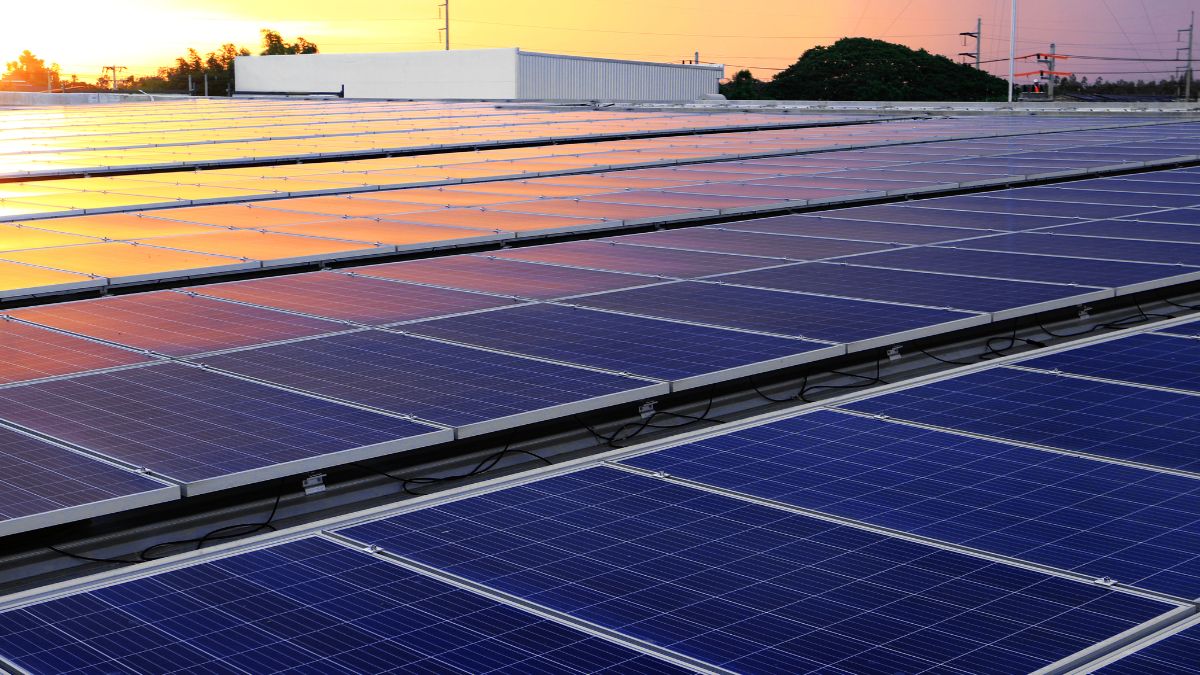
The scale of renewable energy expansion required is substantial. Global renewable power generation capacity is projected to increase from approximately 5.2 terawatts in 2025 to 18.4 terawatts by 2035 and 38.2 terawatts by 2050. Meeting these projections will require significant investment in solar, wind and other renewable technologies, supported by modern transmission networks, energy storage systems and flexible electricity markets.
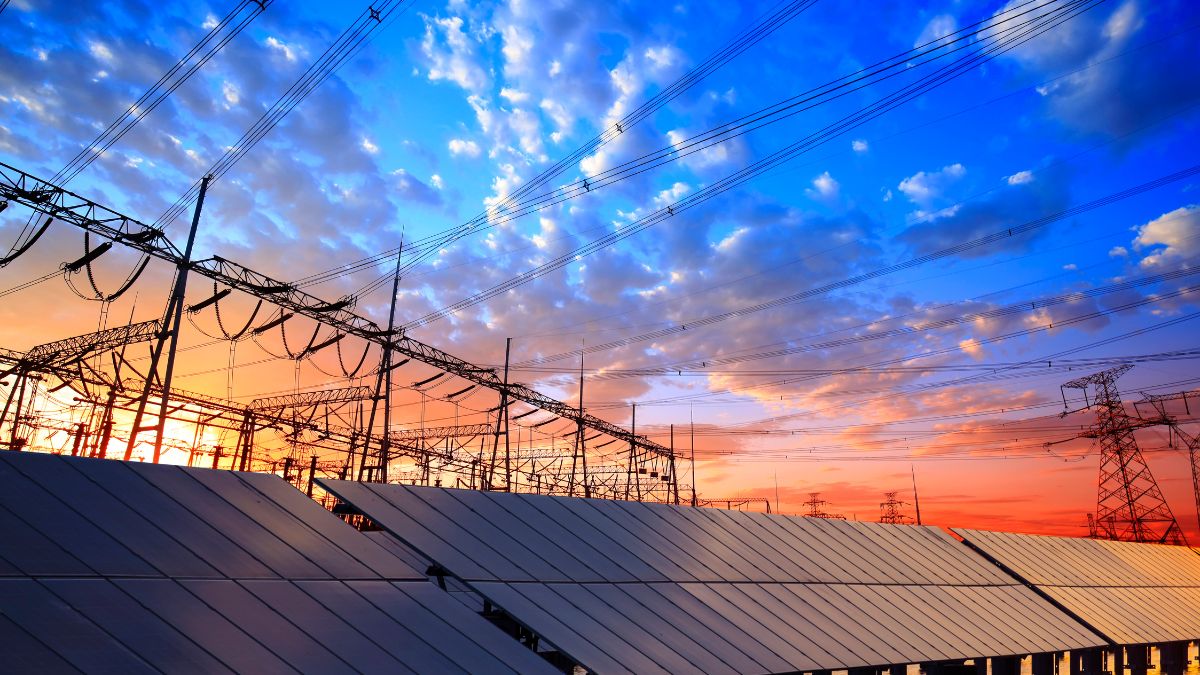
Without timely infrastructure development, grid congestion and limitations in balancing variable renewable generation could restrict the integration of additional capacity. Governments, utilities and private investors will therefore need to coordinate renewable energy deployment with transmission expansion, storage development and improvements in electricity system management.
The transition also presents significant economic and employment opportunities. Renewable energy employment is projected to reach 84.2 million jobs by 2050, representing a 60% increase compared with current planned scenarios. Solar energy and bioenergy are expected to contribute substantially to this expansion, creating opportunities across manufacturing, project development, installation, operations and maintenance.
However, the transition could also create short-term financial pressures for households, particularly during periods of infrastructure investment, carbon pricing reforms and changes to energy subsidies. Although technological improvements and efficiency gains could eventually reduce electricity costs and household expenses, the distribution of these benefits may vary across income groups and regions. Governments will need to introduce targeted social protection, progressive fiscal measures and workforce training programmes to ensure that the transition remains affordable and inclusive.
Achieving an orderly transformation will require integrated planning, country-specific transition roadmaps and stronger industrial strategies to develop competitive clean energy supply chains. Access to affordable financing will be particularly important for developing economies, where high capital costs can delay renewable energy and infrastructure projects. International cooperation will also remain essential for technology transfer, skills development and securing critical supply chains.
The next decade will be crucial for aligning climate objectives with energy security, affordability and economic development. Coordinated investment in renewable generation, electricity networks, storage and efficiency, combined with inclusive policies, will determine how effectively countries progress towards a resilient, low-carbon global energy system.
Subscribe to get the latest posts sent to your email.