Delta State has signed a Memorandum of Understanding (MoU) with the Rural Electrification Agency (REA) to expand access to renewable and off-grid power solutions, in a move aimed at tackling the state’s chronic electricity deficit.
The agreement, formalized during a roundtable in Abuja, will provide electricity to more than 386,000 people through 120,217 new connections, attract around $158 million in private sector investment, and boost Delta’s $2.9 billion GDP.
Speaking at the event, themed “Unlocking Distributed Energy Investments for Industrial Growth and Inclusive Access in Delta State”, Governor Sheriff Oborevwori said the initiative aligns with his administration’s MORE Agenda and medium-term development plan (2024–2027).
“Electricity access is a cornerstone for productivity, investment, and improved livelihoods,” Oborevwori said. “Off-grid renewable solutions such as solar and wind power present huge opportunities for sustainable development in communities long left behind by the national grid.”
The governor pledged a business-friendly environment for investors, promising to eliminate bureaucratic barriers to speed up project implementation. He also revealed that work is underway on an 8.5MW independent power plant in Asaba to serve key government institutions.
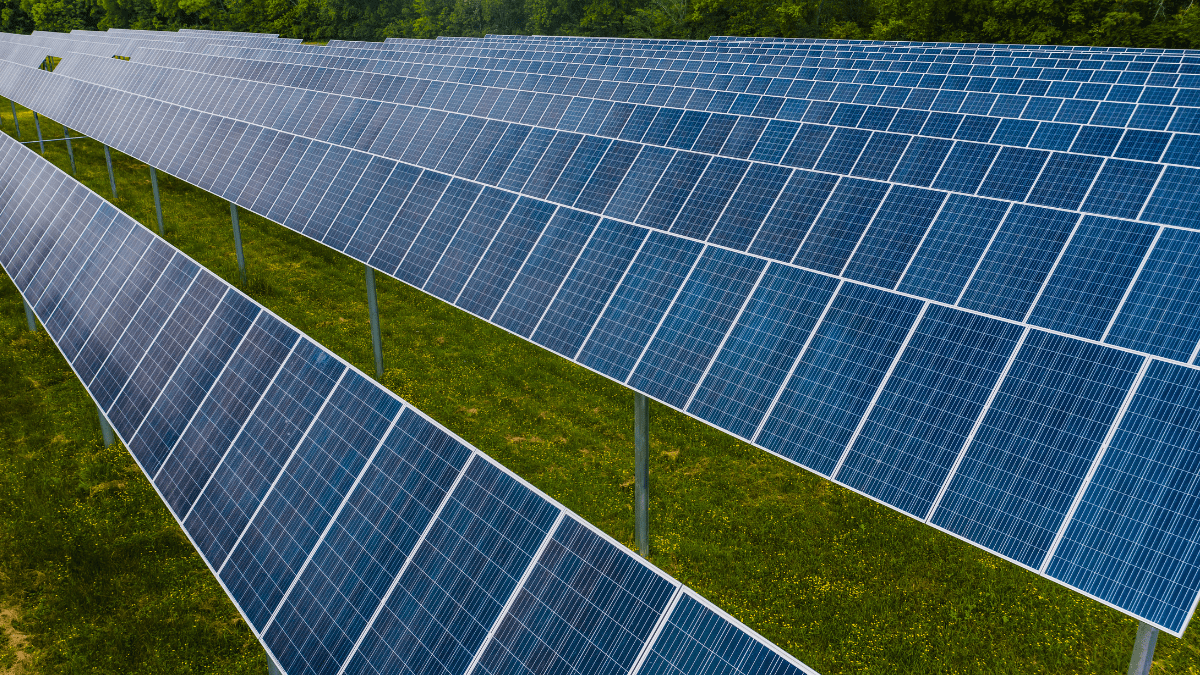
Delta’s renewable energy plan includes solar-powered mini-grids, solar farms, hybrid solar-wind systems, and energy-as-a-service models designed to help businesses access reliable electricity without red tape.
REA Managing Director Abba Aliyu highlighted the state’s strong potential, noting that the agency had identified 471 viable mini-grid sites, with 83 in Ndokwa East LGA alone. On average, he said, a village in Delta could sustain 255 new electricity connections, making the state highly attractive to investors.
“These projects could create over 31,000 jobs and electrify more than 120,000 buildings,” Aliyu noted, adding that Delta is among Nigeria’s most promising hubs for distributed renewable energy. He also pointed to a potential $53 billion, 600MW solar panel assembly plant, urging the state to draw such investment.
Backed by REA’s $1.16 billion national electrification fund, the partnership is expected to accelerate rural economic development, strengthen healthcare and education services, and significantly reduce Delta’s energy access gap.
Subscribe to get the latest posts sent to your email.