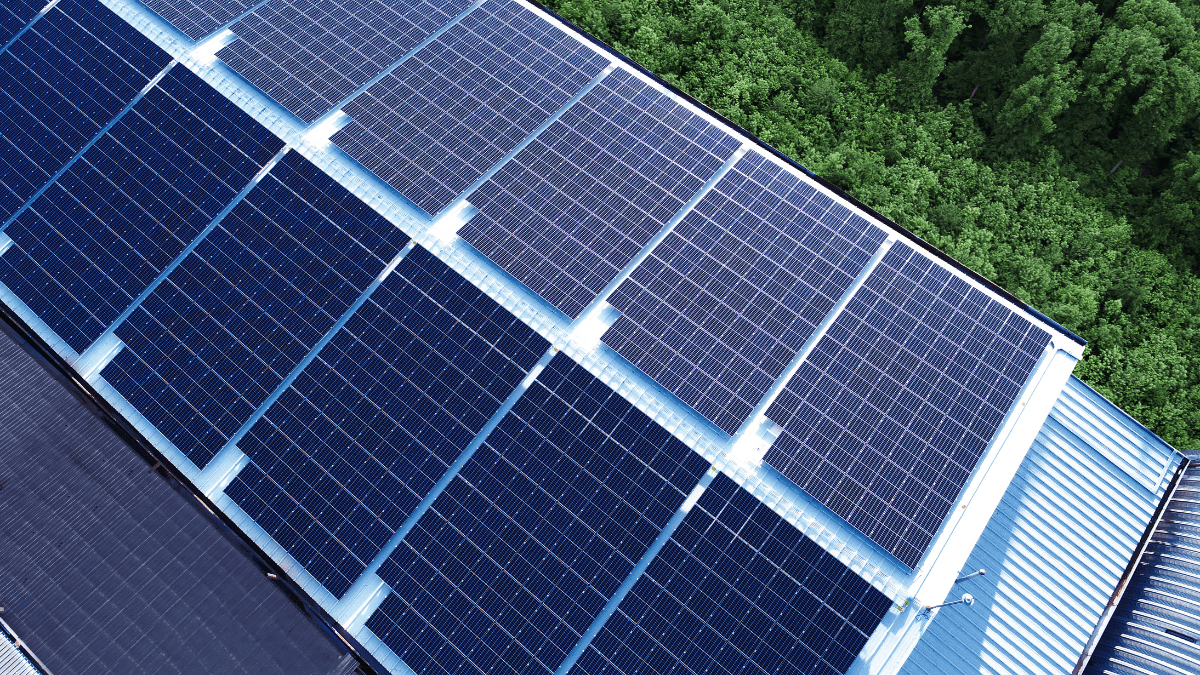
The West Bengal Electricity Regulatory Commission has announced new rules to encourage the use of rooftop solar systems by consumers who can also act as producers, known as prosumers. These rules are called the West Bengal Electricity Regulatory Commission (Grid Interactive Rooftop Solar Photovoltaic System for Prosumers) Regulations, 2025. They were published in The Kolkata Gazette and became effective from July 31, 2025. The regulations apply across the state of West Bengal and are designed to make it easier for people to generate their own electricity through solar power and, at the same time, use electricity from the grid.
A prosumer is defined as someone who uses electricity from the grid but can also send electricity back to the grid from their rooftop solar system at the same point of supply. To support this, the Commission has introduced three methods for managing solar power: net metering, net billing, and gross metering. Under net metering, a single bi-directional meter records both the energy imported from the grid and the energy exported to it. The exported solar energy is deducted from the imported energy in units to calculate the final bill. Net billing works differently as it values imported and exported energy at separate tariffs. The imported energy is charged at the normal retail tariff, while exported solar power is valued at a feed-in tariff decided by the Commission. The bill is then calculated by comparing the value of energy consumed and the value of solar energy supplied. Gross metering, in contrast, measures energy consumed and solar energy generated separately. In this case, the consumer pays for all energy taken from the grid, while the solar energy is credited entirely at the feed-in tariff rate.
To install a rooftop solar system, prosumers must apply either online through a portal or by submitting a hard copy application. The application fee has been fixed at ₹1,000 for low and medium voltage consumers and ₹5,000 for high and extra-high voltage consumers. Applications for systems up to 10 kW are accepted automatically, while larger systems require a technical feasibility study. Distribution licensees are expected to respond to applications within 20 days. If new infrastructure is needed to connect the system, the prosumer must bear the cost. Distribution licensees are also required to keep an updated online portal with details such as application forms, required documents, and contact information. They will also need to submit quarterly reports on the capacity added and pending applications.
The regulations set clear technical standards for safety and grid stability. The total rooftop solar capacity connected to a network cannot exceed 100 percent of the feeder or transformer capacity. Prosumers are responsible for the proper installation and maintenance of their systems, which must include anti-islanding protection to prevent backfeeding during power cuts. Metering arrangements are specified for each option: a net meter or bi-directional meter plus a generation meter for net metering and net billing, and a generation meter with a check meter for gross metering. The distribution licensee is responsible for installing and maintaining these meters.
The rules also connect rooftop solar generation with Renewable Purchase Obligations. For obligated entities, the solar energy they consume counts toward their own RPO, while any extra energy helps the distribution licensee meet its RPO. For non-obligated prosumers, the solar energy generated through net metering and net billing is credited entirely toward the licensee’s RPO. The Commission will set the feed-in tariff for net billing and gross metering, and this tariff will remain valid for the 25-year life of the solar system. The regulations also provide detailed formulas for calculating bills under each metering arrangement, ensuring clarity for consumers and utilities alike.
These new rules mark a major step for West Bengal in supporting rooftop solar adoption and giving consumers a fair and structured way to generate, consume, and share clean electricity.
Subscribe to get the latest posts sent to your email.