By
52 min ago 2 min read
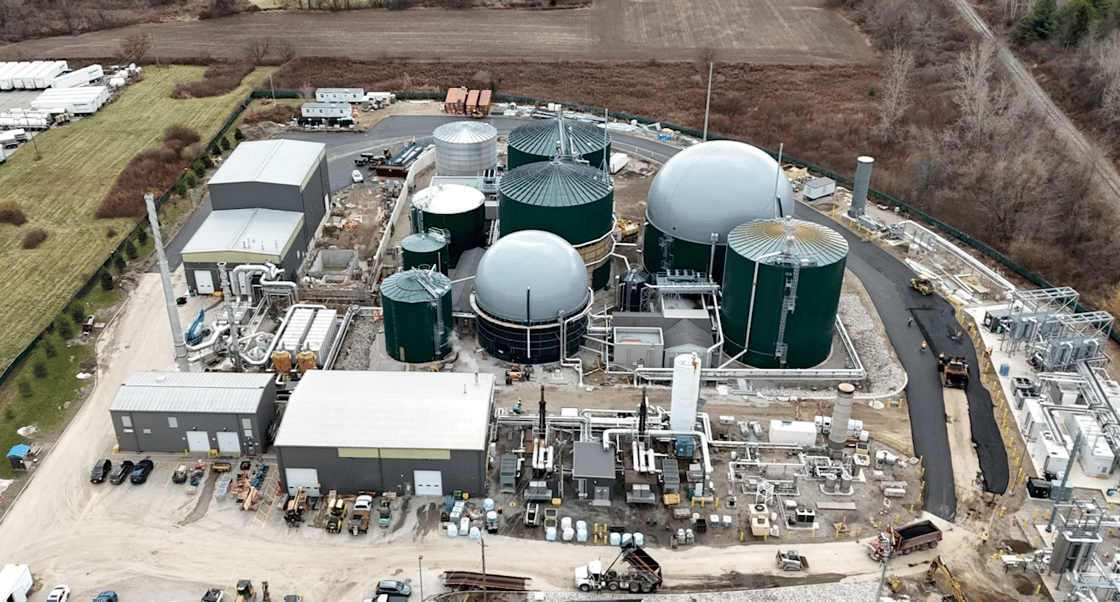
Japan’s Kawasaki Heavy Industries (KHI) had partnered with Canadian organisations to explore setting up liquid hydrogen (LH2) trade between the two countries.
It comes as Japan accelerates efforts to secure large-scale, low-cost hydrogen suppliers from overseas due to its limited access to natural gas and low-cost renewables.
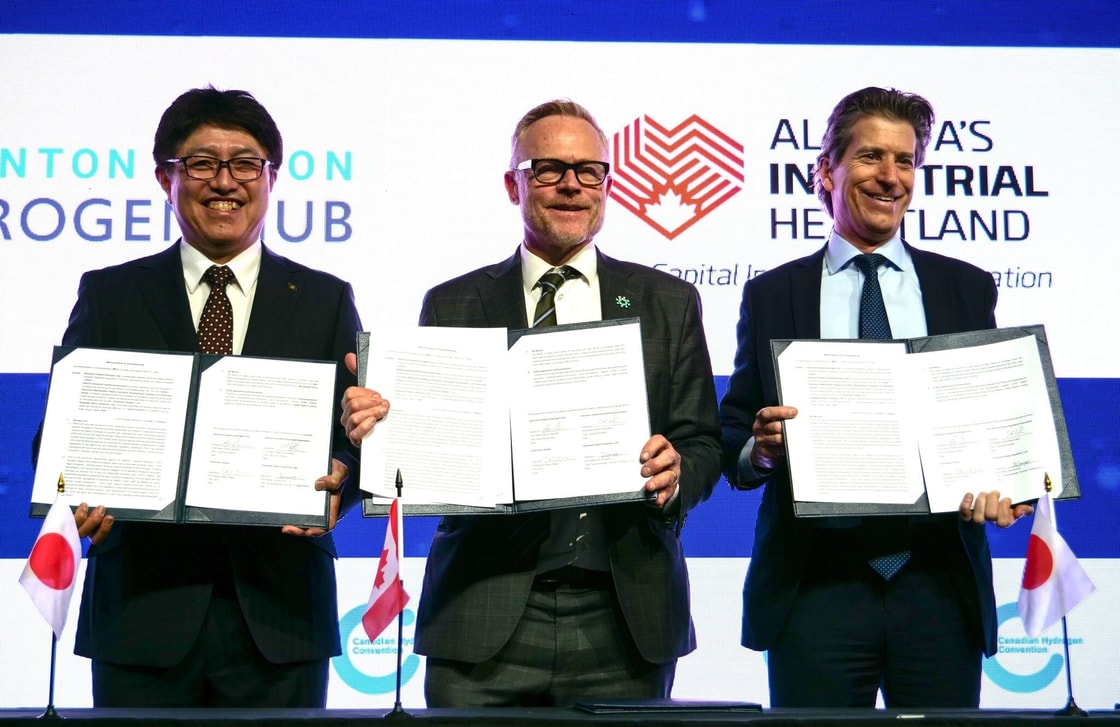
The multinational manufacturer signed a memorandum of understanding (MOU) with trade initiative Edmonton Region Hydrogen Hub, hydrocarbon and carbon capture group Alberta’s Industrial Heartland, and business development agency Edmonton Global.
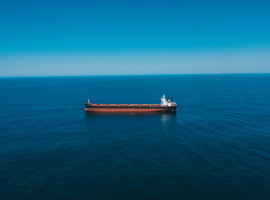
They will look at the feasibility of setting up international and domestic LH2 supply chains in Canada, which could underpin exports to countries like Japan. This would include exploring technologies to transport LH2 by rail and ship.
KHI is looking to shore up LH2 supplies for its plans to import the liquefied gas into Japan through its under-construction in Ogishima.
The terminal will be equipped with a 50,000m3 storage tank along with maritime cargo handling, liquefaction, and lorry dispatch facilities. It would support imports of LH2 carried to Japan by KHI’s planned .
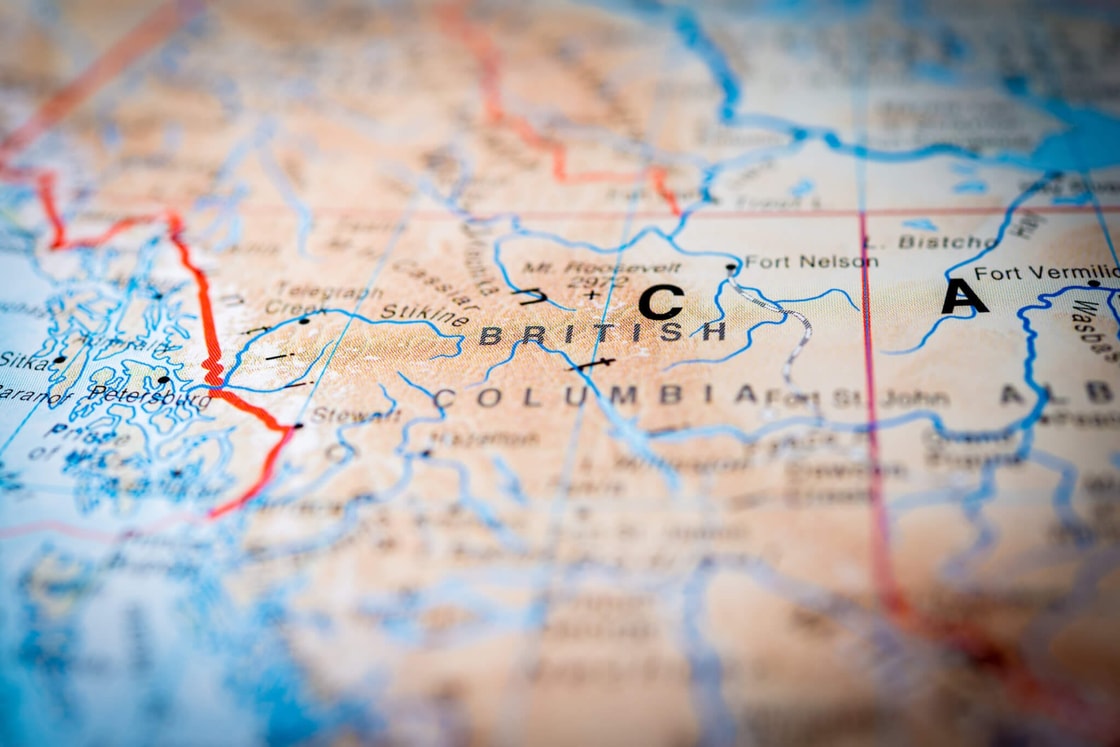
KHI said the Edmonton region of Canada was home to the country’s “largest hydrogen production cluster”, with the area’s low-cost natural gas and carbon capture capacity making it a “potential safe and secure provider of hydrogen.”
By using LH2, proponents say hydrogen could be transported like liquefied natural gas.
However, critics say transporting liquid hydrogen over long distances is technically and economically challenging, due to the extremely low temperatures (–253ºC) the molecule must be kept at, and potential boil-off.
Supporters argue liquid hydrogen offers efficiency advantages over carriers like ammonia, which require an energy-intensive cracking process to release pure hydrogen.
Additionally, Canada’s plans to export large volumes of clean hydrogen to Europe from projects on its east coast have been hampered by cancellations and delays despite a from Germany and Canada.
In February, three giga-scale projects in Newfoundland lost after failing to pay fees, with the province’s energy minister warning the market was “growing more slowly than expected.”