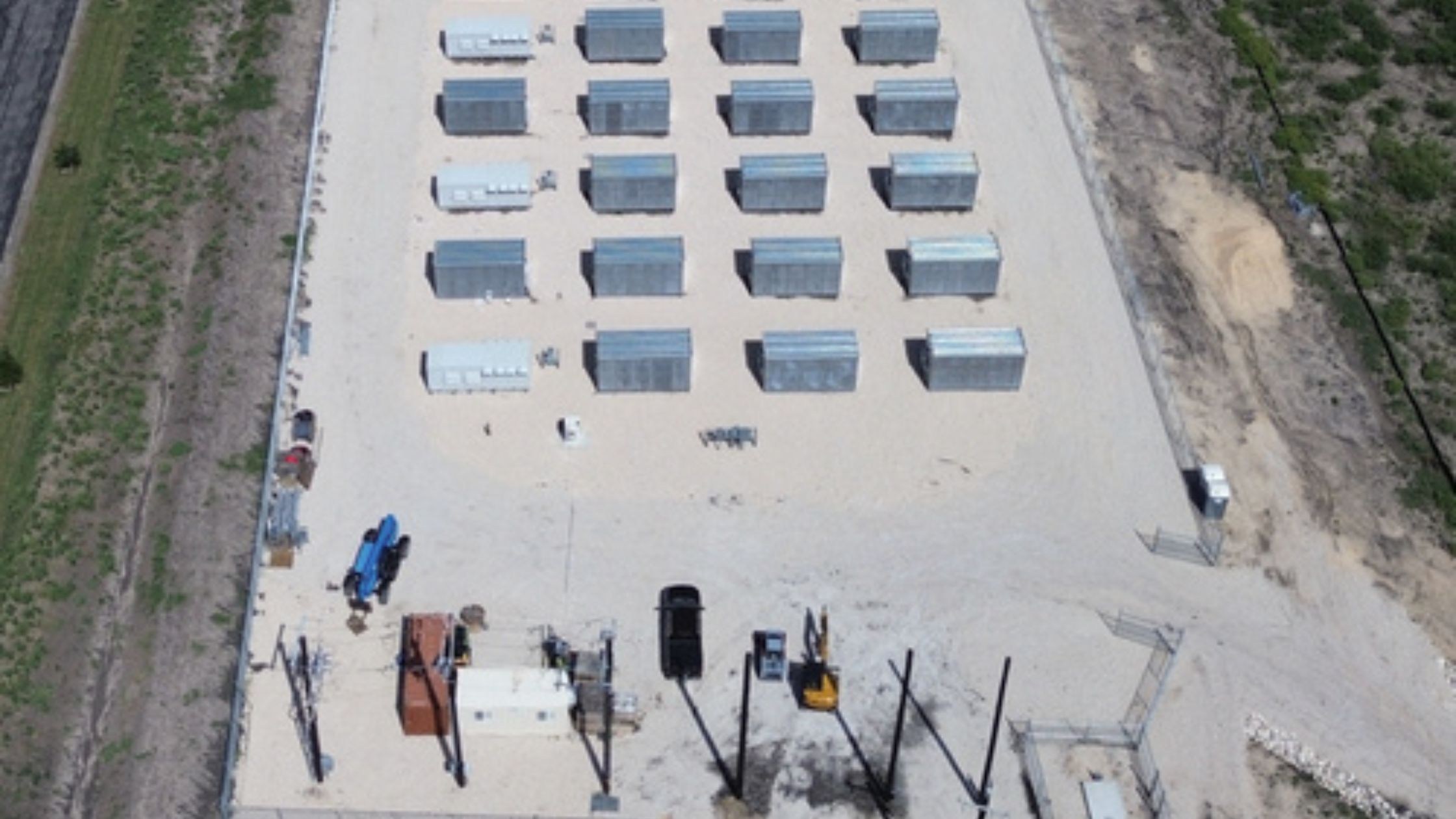
In a recent judgment, the Appellate Tribunal for Electricity in New Delhi upheld a decision of the Central Electricity Regulatory Commission (CERC) that rejected the adoption of a tariff discovered through a competitive bidding process for a pilot battery energy storage system project. The case arose from two appeals, one filed by JSW Renew Energy Five Ltd and another by the Solar Energy Corporation of India Ltd, both challenging the CERC order dated January 2, 2025. The project under dispute was a 500 MW/1000 MWh stand-alone battery energy storage system, and the key issue was whether the tariff bid in August 2022 remained fair and reasonable at the time of adoption in 2024.
The CERC had refused to adopt the tariff, reasoning that the project faced significant delays that made the discovered tariff outdated and no longer aligned with prevailing market prices. According to the Commission, there was a 145-day delay in issuing the Letter of Award, a 160-day delay in signing the Battery Energy Storage Sale Agreement, and a 245-day delay in signing the Battery Energy Storage Purchase Agreement. These delays stretched the timeline considerably, and during this period, the costs of battery storage technology dropped sharply. As a result, later projects were able to discover tariffs much lower than the one quoted by JSW. The Commission concluded that adopting the original tariff in such circumstances would have led to unintended gains for the developer and a wrongful burden on consumers. It emphasized that while normally a post-bid price fall does not justify rejecting a tariff, the extraordinary delays in this case had changed the entire context. The Commission relied on a Supreme Court judgment that clarified its authority to ensure prices are market-aligned and that consumer interest is not compromised.
JSW argued that the decision violated principles of natural justice, claiming they were not given a proper opportunity to present their case. The company also stressed that this was a pilot project, the first of its kind in India, and therefore, there were no other benchmarks at the time of bidding in August 2022. They further contended that the delays were not of their making but were caused by SECI, the implementing agency. SECI, on its part, filed its own appeal to challenge the Commission’s findings that held it responsible for project delays.
The tribunal considered arguments from all parties and reaffirmed that the role of the Commission under Section 63 of the Electricity Act is not limited to mechanically approving tariffs but extends to ensuring that discovered prices remain fair, reasonable, and consistent with consumer interest. It agreed that the bidding process itself was transparent, but emphasized that the long delay between the e-reverse auction in August 2022 and the filing of the adoption petition in March 2024, a period of nearly one year and seven months, made the discovered tariff outdated. The tribunal also noted that battery costs had fallen significantly during this time, making the original price uncompetitive.
In its ruling, the tribunal dismissed Appeal No. 26 of 2025 filed by JSW and disposed of Appeal No. 54 of 2025 filed by SECI with observations. It held that since the Commission’s order was not being set aside, JSW had no vested right to implement the project at the original tariff. All interim applications associated with the matter were also dismissed. The judgment has reinforced the authority of the Commission to protect consumer interests and ensure that tariffs reflect market realities even in the context of pioneering projects.
Subscribe to get the latest posts sent to your email.