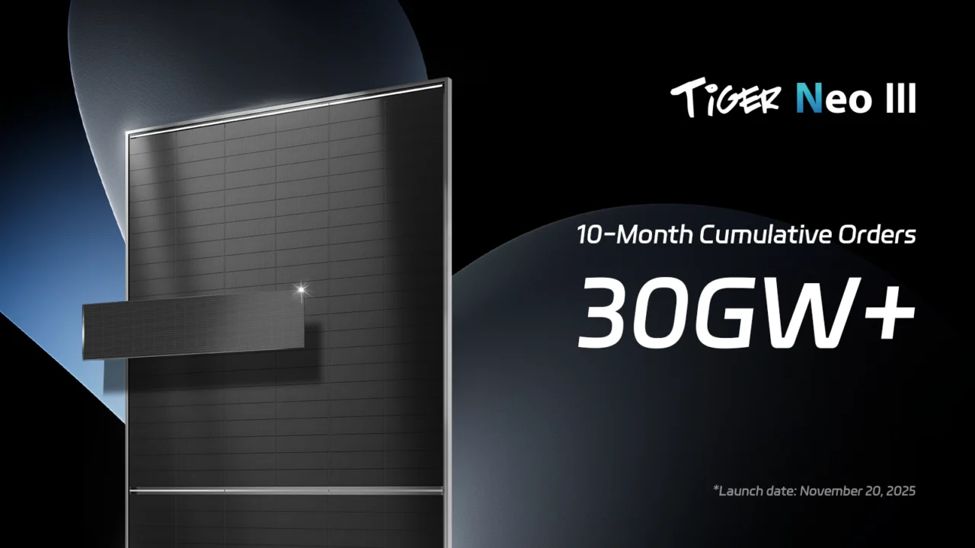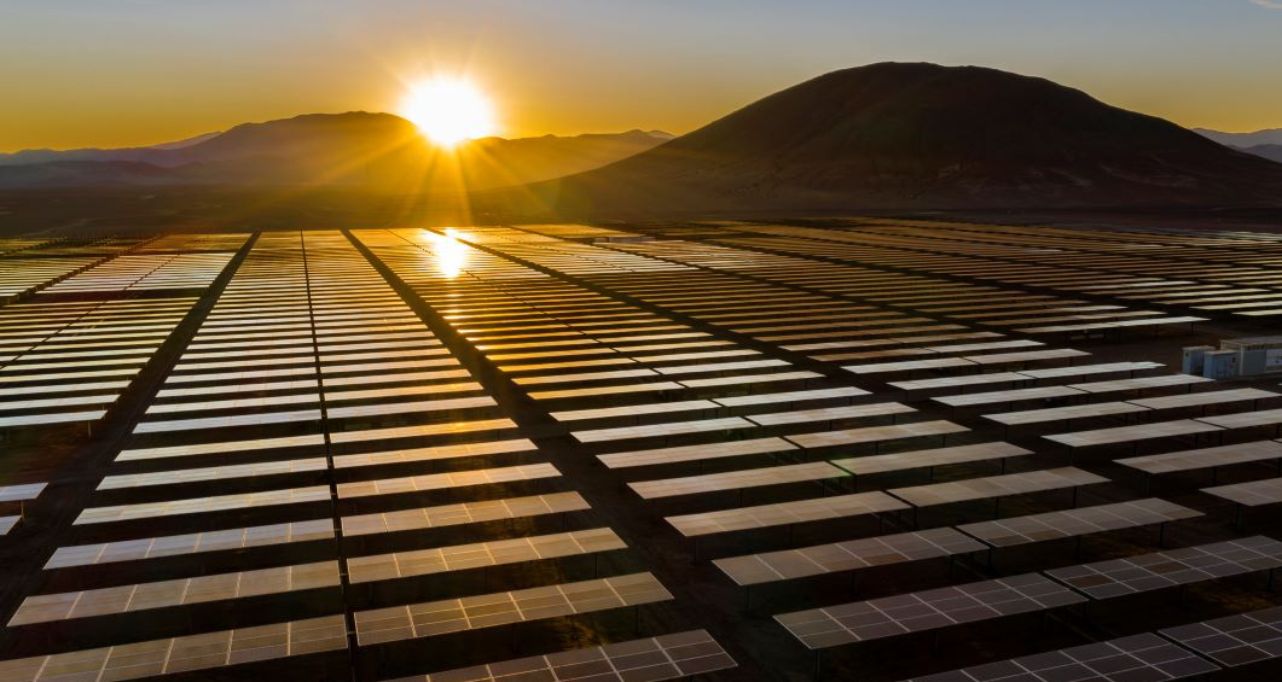
Africa is witnessing a remarkable surge in solar power adoption, driven in large part by a significant increase in imports of Chinese solar panels. Over the past year, the continent imported more than 15 GW of solar panels, marking a 60% rise compared to the previous year. This dramatic growth highlights how Africa is increasingly turning to solar energy as a practical, cost-effective solution to meet its growing electricity needs. Falling solar panel prices, coupled with rising energy demand, have created the perfect conditions for the rapid expansion of solar capacity across the continent.
The influx of imported solar panels has not only accelerated solar project development but has also encouraged governments, businesses, and households to invest in renewable energy solutions. Countries with abundant sunlight are realizing the economic and environmental benefits of solar power, making it a central part of their energy planning. Solar energy offers a way to reduce dependence on fossil fuels, lower electricity costs, and expand access to electricity in regions where the grid is underdeveloped or unreliable.
Investment in solar infrastructure is also playing a crucial role in Africa’s energy transition. International investors and development agencies have recognized the potential of the continent’s solar market and are increasingly backing projects that combine imported technology with local development. This trend is creating opportunities not only for energy generation but also for job creation, skills development, and industrial growth in areas such as installation, operations, and maintenance of solar PV systems.
The surge in imports has particularly benefited large-scale solar projects, which require high-quality, reliable panels to ensure efficiency and longevity. Countries such as South Africa, Kenya, and Egypt have seen substantial investments in utility-scale solar farms, while smaller-scale projects are expanding in residential and commercial sectors. This dual approach ensures that solar power reaches a wide range of consumers, from urban centers to rural communities, bridging energy gaps and promoting sustainable development.
Another key factor supporting this growth is the declining cost of solar technology. Advances in manufacturing and economies of scale in countries like China have made solar panels more affordable, making it financially viable for more African countries to invest in solar projects. As costs continue to fall, solar energy becomes increasingly competitive with conventional energy sources, further encouraging adoption.
While imported solar panels are driving growth, African governments are also exploring ways to build local manufacturing and assembly capacity. Developing domestic capabilities could reduce reliance on imports, create more local jobs, and strengthen supply chains. However, the current wave of imports remains essential for quickly meeting the continent’s urgent energy needs and accelerating the transition to clean energy.
Overall, the combination of high solar potential, falling costs, and strong international investment is transforming Africa’s energy landscape. Solar power is no longer a niche solution but a mainstream energy source, helping the continent meet its electricity demands sustainably and affordably. The recent surge in imports of Chinese solar panels is a clear indicator of Africa’s growing commitment to renewable energy, and it sets the stage for continued expansion in the years ahead.
Solar energy adoption in Africa is gaining momentum, and the ongoing investments and imports are laying the foundation for a cleaner, more resilient, and economically vibrant energy future for the continent.
Subscribe to get the latest posts sent to your email.