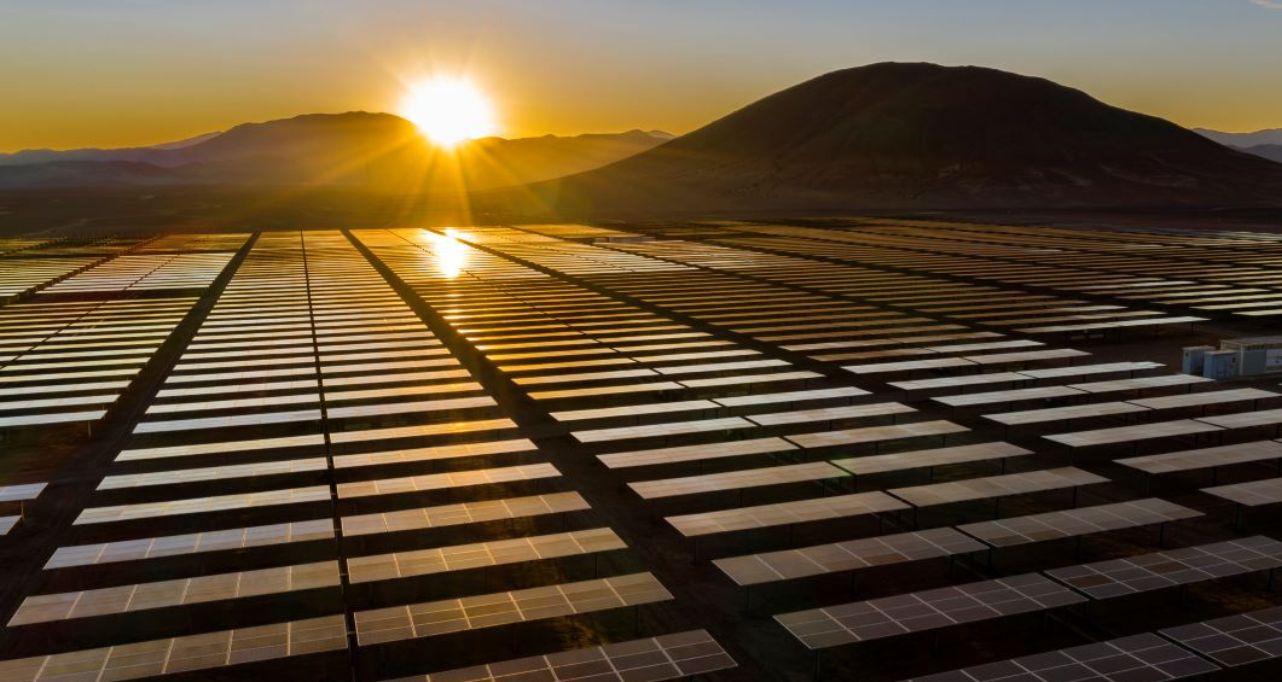
Over the past few years, the rise of affordable solar power has significantly changed daily life and business in South Africa and across parts of Africa. Solar panels and batteries made in China have become more accessible, allowing households and companies to generate electricity without relying entirely on old coal‑fired power plants or often unreliable national grids. This growing adoption of solar energy is reshaping energy use, local economies, and how utilities operate.
Electricity from the national utility, Eskom, has historically been expensive and inconsistent. Frequent power cuts and rising bills have pushed both households and businesses to seek alternative energy solutions. As solar panels and battery storage systems have become cheaper, more people are installing them on rooftops or small ground-mounted systems. For many, this shift has led to a substantial reduction in energy costs, with some households cutting their electricity bills by as much as two-thirds after switching to solar combined with battery storage.
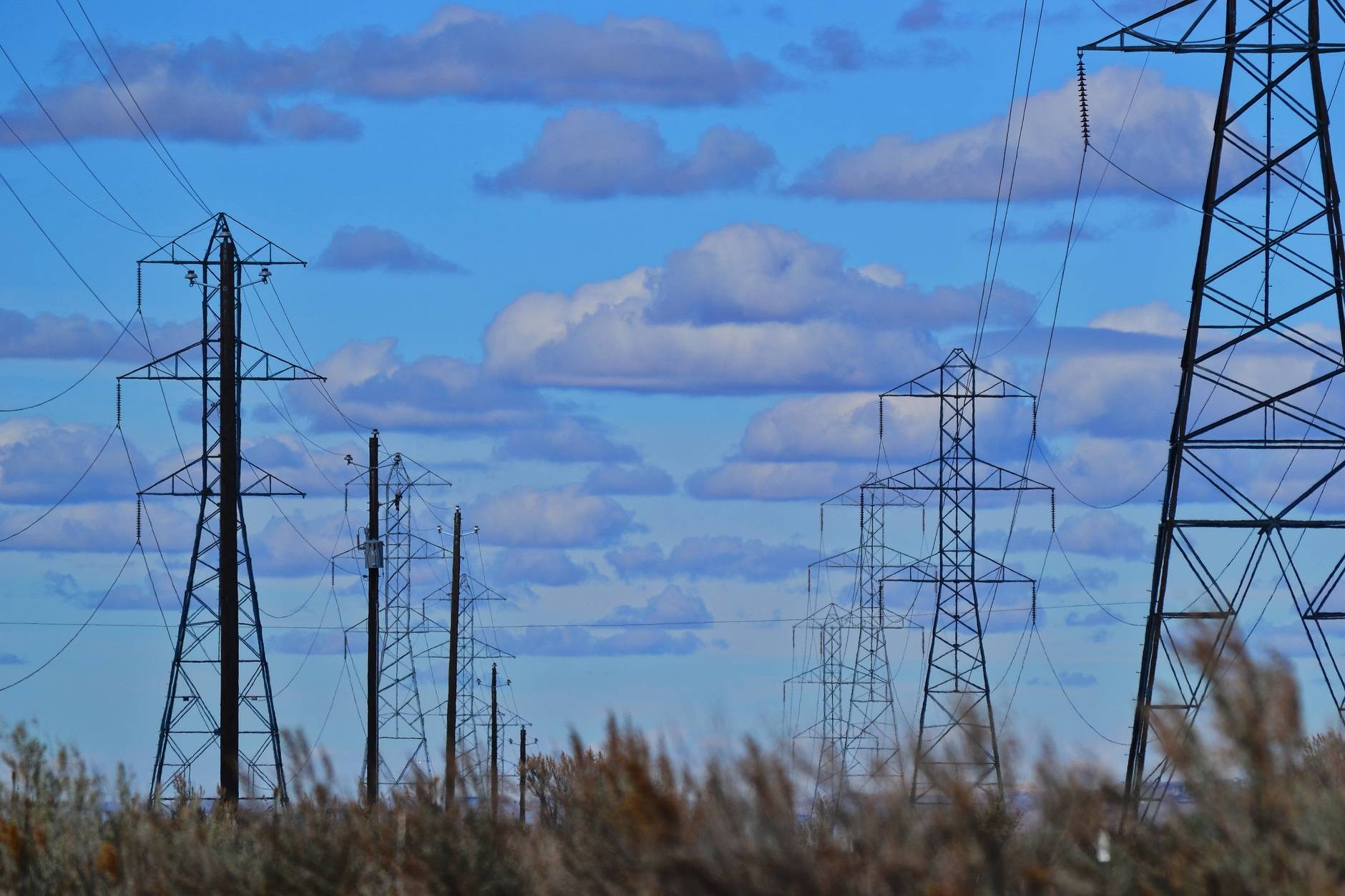
The increasing use of private solar power has also had a major impact on Eskom. Traditionally reliant on coal to supply most of South Africa’s electricity, the utility now sells less electricity as more customers generate their own power, while still having to cover fixed grid costs. This situation has created financial pressure on Eskom, leading to tariff hikes, which in turn encourage even more customers to adopt solar energy. Experts describe this dynamic as a “death spiral” for the traditional centralized electricity model.
In response, Eskom has updated some policies to adapt to the growing solar market. Rules for connecting private solar installations to the grid have been eased, and people can now sell excess power back to the utility. Eskom has introduced a system of fixed monthly connection charges along with usage fees, a model common internationally but new in South Africa. Additionally, the utility plans to develop utility-scale solar arrays on retired coal plant sites and aims to gradually transition its overall system to cleaner energy sources by 2040.
The solar surge is not limited to South Africa. Across the continent, imports of solar panels from China increased by around 50–60 percent in 2025 compared to previous years. Countries such as Sierra Leone, Chad, Nigeria, and Algeria are expanding their solar capacity, and in some smaller nations, imported solar panels could potentially generate more electricity than their entire existing national grids.
Chinese companies are also playing a larger role in Africa’s energy sector, not just by selling panels but by building utility-scale solar farms and upgrading electricity grids, including thousands of kilometers of transmission lines. This involvement provides China with commercial opportunities and strengthens its economic and geopolitical presence across the continent.
Despite rapid growth, challenges remain. Solar panels and batteries are still expensive for many low-income communities, and financing options are limited. Local manufacturing of advanced solar technology is minimal, so much of the economic benefit flows to foreign producers rather than generating local jobs.
In regions like South Africa’s urban centres and wine-producing areas, businesses and households are already benefiting from lower energy costs and long-term savings. However, for the broader economy to transform, there needs to be greater access to capital, stronger local manufacturing, and policies that balance affordable imports with the development of homegrown energy industries.
Subscribe to get the latest posts sent to your email.