Mol Nyrt. and Gazprom Neft PJSC have agreed on the terms of a deal which will see the Hungarian company gain control of Serbia’s only oil refinery, paving the way for the lifting of US sanctions on the plant’s operator.
Mol will buy Gazprom’s combined 56.2 percent interest in Naftna Industrija Srbije, which came under US sanctions in October due to its Russian majority ownership, the Budapest-based firm said in a statement on Monday. The deal, subject to the approval of the US Office of Foreign Assets Control and the Serbian government, may be completed by March 31, Mol said, without disclosing the purchase price.
Mol is in talks with Abu Dhabi National Oil Co. to enter NIS as a minority shareholder, Mol Chairman and Chief Executive Officer Zsolt Hernadi said in the statement. The United Arab Emirates has a long relationship with Serbia, with several government-linked entities having made investments in property, agriculture and other businesses in the Balkan state.
Serbia is also looking to raise its nearly 30 percent stake in NIS by 5 percentage points, Serbian Energy Minister Dubravka Djedovic Handanovic told reporters in Belgrade earlier on Monday.
The deal is a win for Hungarian Prime Minister Viktor Orban ahead of elections in April where his party is trailing in polls. The premier leveraged his ties to the leaders of Russia, Serbia and the US to bring the deal to fruition, discussing the potential purchase in back-to-back meetings with the three presidents late last year.
Removing Sanctions
Hungary and Serbia will now ask the US to lift sanctions on NIS. They were imposed amid a raft of penalties on multiple Russian-controlled energy assets following Moscow’s 2022 invasion of Ukraine.
The sanctions on NIS – announced a year ago but in effect since October – halted oil deliveries via the Adriatic pipeline from Croatia, forcing Serbia to rely on emergency shipments from Mol to avert a shortage at the pumps.
Mol shares reversed intra-day losses on Monday to rise 0.4 percent, taking its year-to-date gains to more than 20 percent as investors priced in the expected acquisition. The company already operates refineries in Hungary, Croatia and Slovakia.
Orban’s ties to both the US and Russian leaders, as well as Mol’s readiness to help Serbia with oil supplies, appear to have clinched the deal. Serbia previously said it could buy Gazprom’s stake – even offering to pay a premium – but Russian officials declined, according to Serb President Aleksandar Vucic.
Unlike Bulgaria, which seized Lukoil PJSC’s local refinery to head off a fuel crisis when that facility also came under US sanctions, Vucic was wary of such a move, given the risk of alienating Russia, Serbia’s top natural gas supplier.
That gave an opening to Orban, who coordinated closely with Vucic and has pushed for a new pipeline from Hungary to Serbia to help the Balkan nation diversify its supplies. The link is expected to be completed next year.
Gazprom Neft bought its majority stake in the NIS refinery in 2009, with Serbia’s government retaining just under 30 percent. Trading in NIS shares was suspended early last year, when the company’s market capitalization was about $1.2 billion.
Besides defusing a potential fuel crisis, the deal helps preserve more than 13,000 jobs at NIS and ensures the company remains one of the biggest contributors to the state budget, accounting for almost 10 percent of its revenue.
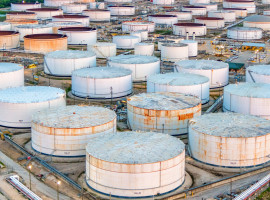
As well as the 4.8 million-ton-a-year refinery in Pancevo, east of Belgrade, NIS also has a network of retail gas stations in Serbia, Romania and Bosnia.
What do you think? We’d love to hear from you, join the conversation on the
The is a new social experience created for you and all energy professionals to Speak Up about our industry, share knowledge, connect with peers and industry insiders and engage in a professional community that will empower your career in energy.