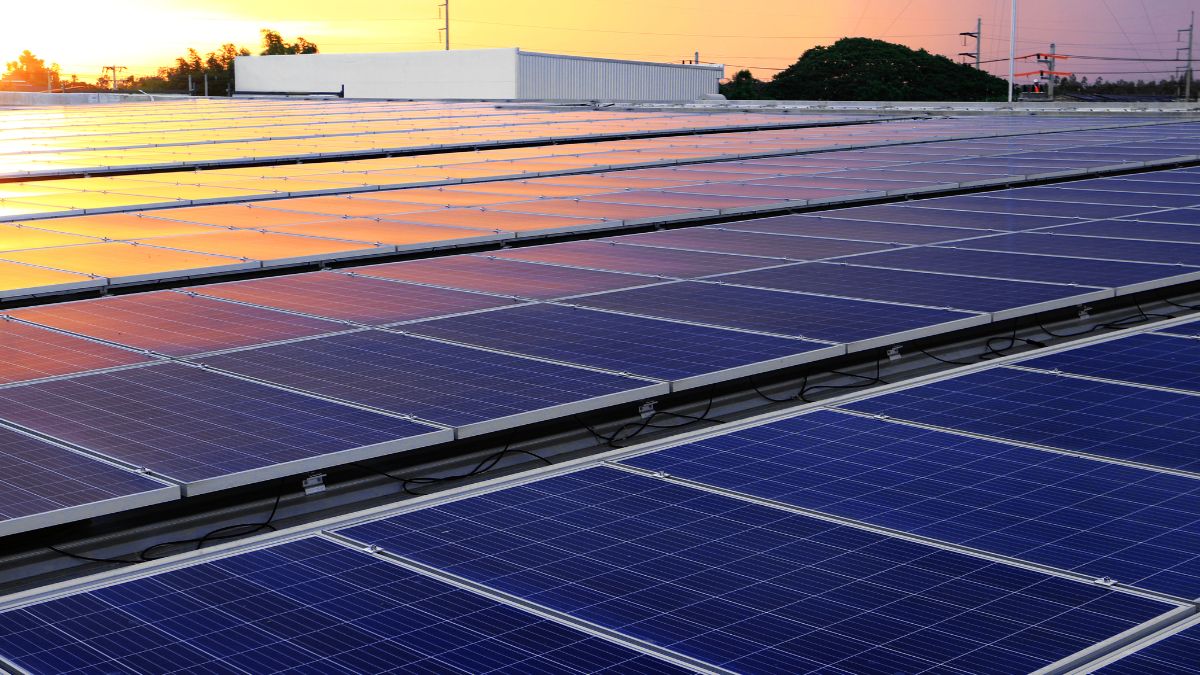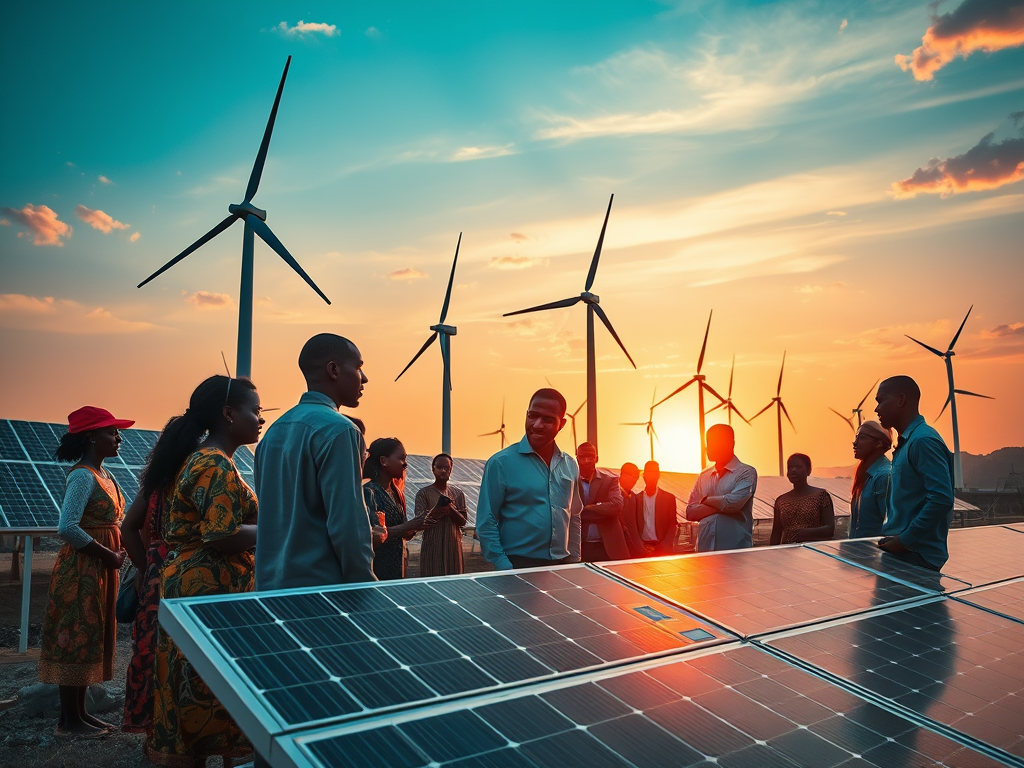
Sudan is advancing solar mini-grid deployment to expand electricity access across underserved rural communities. The initiative aims to reduce diesel dependence, strengthen local energy resilience, and stimulate socio-economic growth. By prioritizing decentralized clean energy systems, Sudan is positioning renewables as a cornerstone of inclusive national development.
Cabo Verde is accelerating its green transition through expanded wind capacity, battery storage integration, and international partnerships. The strategy enhances grid stability while reducing fossil fuel imports. With strong policy direction and global support, the island nation continues strengthening its renewable-driven energy security framework.
Private sector investment is reshaping Africa’s electricity transmission landscape, unlocking capital for grid expansion and modernization. Innovative financing and public-private partnerships are helping bridge infrastructure gaps, enabling renewable integration and regional power trade while addressing long-standing bottlenecks in electricity delivery systems.
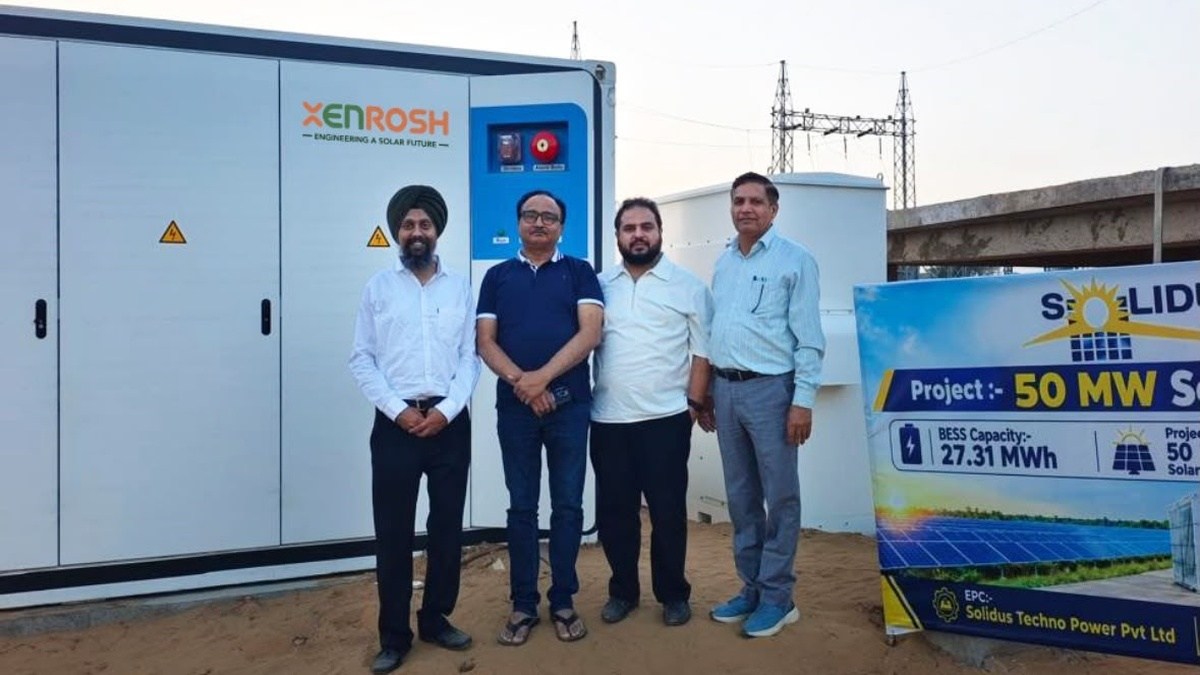
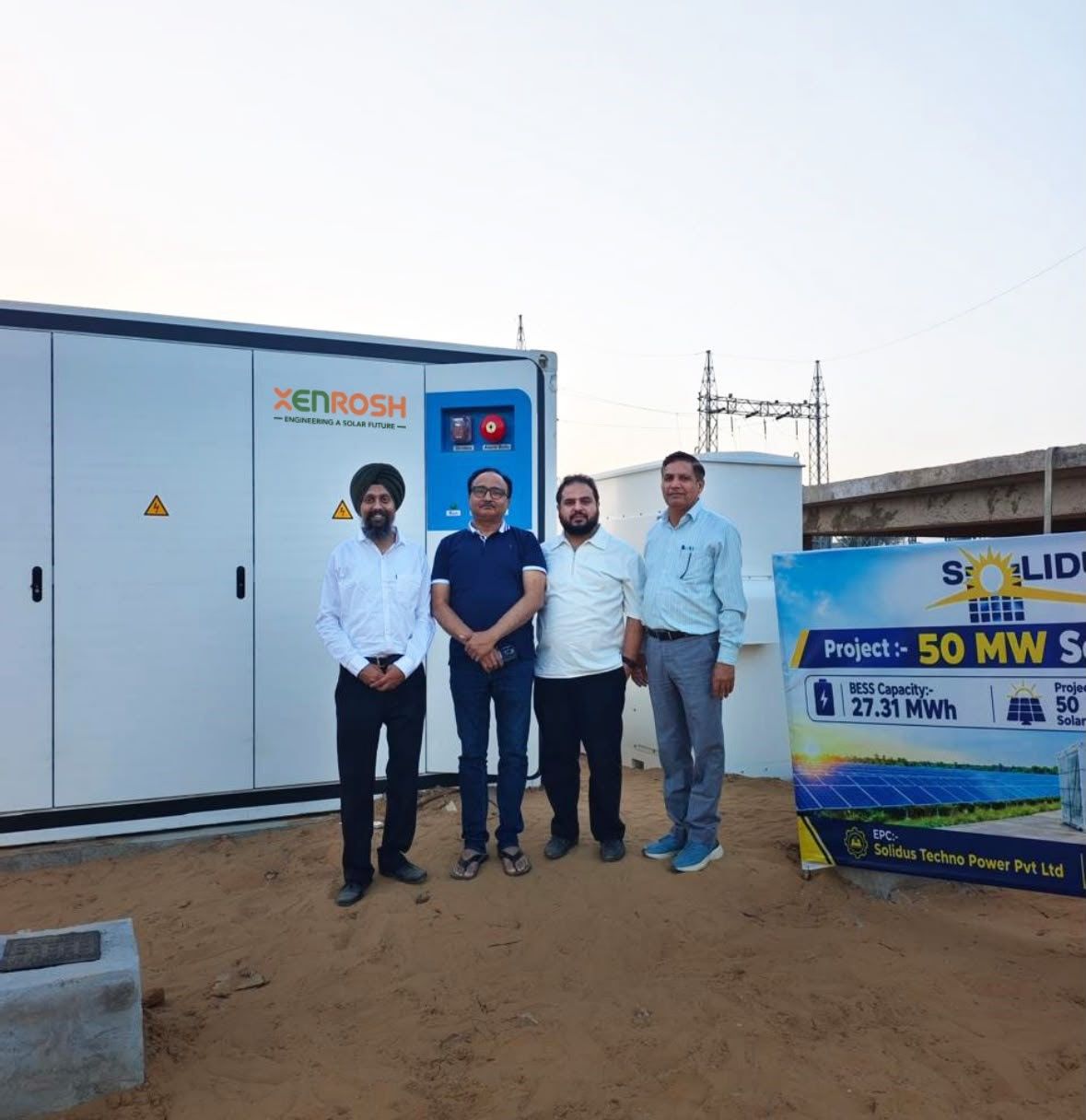
SOLA has reached financial close on South Africa’s largest solar and battery storage project dedicated to private off-takers. The milestone underscores rising corporate clean energy demand and demonstrates how hybrid projects are enhancing supply reliability while supporting the country’s energy transition goals.
Ethiopia will host its first dedicated solar and energy storage leadership platform in 2026. The event aims to connect policymakers, investors, and technology providers, catalyzing partnerships that accelerate renewable deployment and strengthen Ethiopia’s clean energy roadmap.
SolarAfrica has secured R1.5 billion in funding for the 114 MW SunCentral 2 solar project in South Africa. The investment reinforces confidence in utility-scale renewables and supports expanding clean power supply to commercial and industrial consumers seeking stable, sustainable energy solutions.
The Mauritania–Mali power interconnection project is advancing regional grid integration, improving renewable energy utilization and electricity access. By enhancing cross-border transmission capacity, the initiative supports energy security, optimizes resource sharing, and fosters stronger regional cooperation across West Africa.
Umza International Farms has commissioned a hybrid solar and battery plant at its Kano rice mill. The project reduces operational energy costs, ensures power reliability, and demonstrates how agribusinesses can integrate clean energy solutions to enhance sustainability and productivity.
Zambia and Zimbabwe are progressing the Batoka Gorge Hydro Electric Scheme to strengthen climate-resilient power generation. The large-scale project is expected to enhance regional energy security, diversify generation sources, and support long-term sustainable electricity supply across Southern Africa.
A Canadian High Commission delegation met Zambia’s Energy Minister to discuss renewable energy and power infrastructure cooperation. The dialogue signals growing international interest in Zambia’s clean energy market and highlights opportunities for investment, technology transfer, and strategic partnerships.
South Africa’s power system is showing recovery as Eskom improves its Energy Availability Factor, reduces outages, and advances smart meter deployment. These operational gains signal stabilizing grid performance and renewed momentum toward modernizing the country’s electricity infrastructure.
Sibanye-Stillwater has signed a 220 MW renewable energy PPA with Etana Energy, reinforcing corporate commitment to decarbonization. The agreement supports long-term energy cost stability while accelerating private sector participation in South Africa’s rapidly expanding clean power market.
Subscribe to get the latest posts sent to your email.