QatarEnergy has declared force majeure on liquefied natural gas (LNG) supplies after suspending production at key export facilities, sending fresh shockwaves through global energy markets already rattled by the escalating conflict involving Iran, the company posted on X.
In a notice to buyers, the state energy giant said the declaration follows its decision to halt LNG and associated production after Iranian strikes targeted facilities linked to Ras Laffan and Mesaieed Industrial City. The shutdown affects LNG output as well as downstream products including urea, polymers, methanol and aluminum.
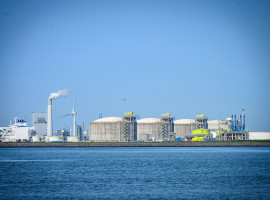
The move places roughly a fifth of global LNG supply at risk if the disruption persists. QatarEnergy operates 14 LNG trains at Ras Laffan and is the world’s largest single LNG exporter, supplying long-term buyers across Europe and Asia, according to Reuters.
The force majeure declaration allows QatarEnergy to suspend contractual delivery obligations due to events beyond its control. The company has not indicated when production might resume.
Energy markets are already reacting to the broader geopolitical escalation. Oil prices have climbed roughly 20% this week as traders price in risks to Middle Eastern energy infrastructure and shipping routes.
The LNG disruption could be particularly significant for Europe. Since cutting its reliance on Russian pipeline gas, the European Union has become heavily dependent on seaborne LNG imports, with Qatar among its largest suppliers.
Related: Magnet Wars: How the U.S. Plans to Break China’s Grip on Rare Earths
According to a Reuters analysis by Balazs Koranyi and Francesco Canepa, European policymakers are watching the energy shock closely, wary of repeating the inflation misjudgment that followed Russia’s invasion of Ukraine in 2022. European Central Bank officials were slow to respond to that earlier surge, initially describing the spike as “transitory” before inflation surged past 10%.
The current situation could create a similar feedback loop if energy disruptions persist. Fuel costs feed quickly into transport and consumer prices, and European buyers may soon find themselves competing with Asian importers for scarce LNG cargoes if Qatari exports remain constrained.
The eurozone economy remains highly exposed to energy costs, making developments in the Gulf a central concern for policymakers as the conflict between the United States, Israel and Iran continues to unfold.
By Charles Kennedy for Oilprice.com
More Top Reads From Oilprice.com
- Barclays Warns Grid Constraints Could Strand Renewables Assets
- Asian Markets in Free Fall as Oil Price Surge Stokes Inflation Fears
- Indian Refiner MRPL Declares Force Majeure on Gasoline Exports