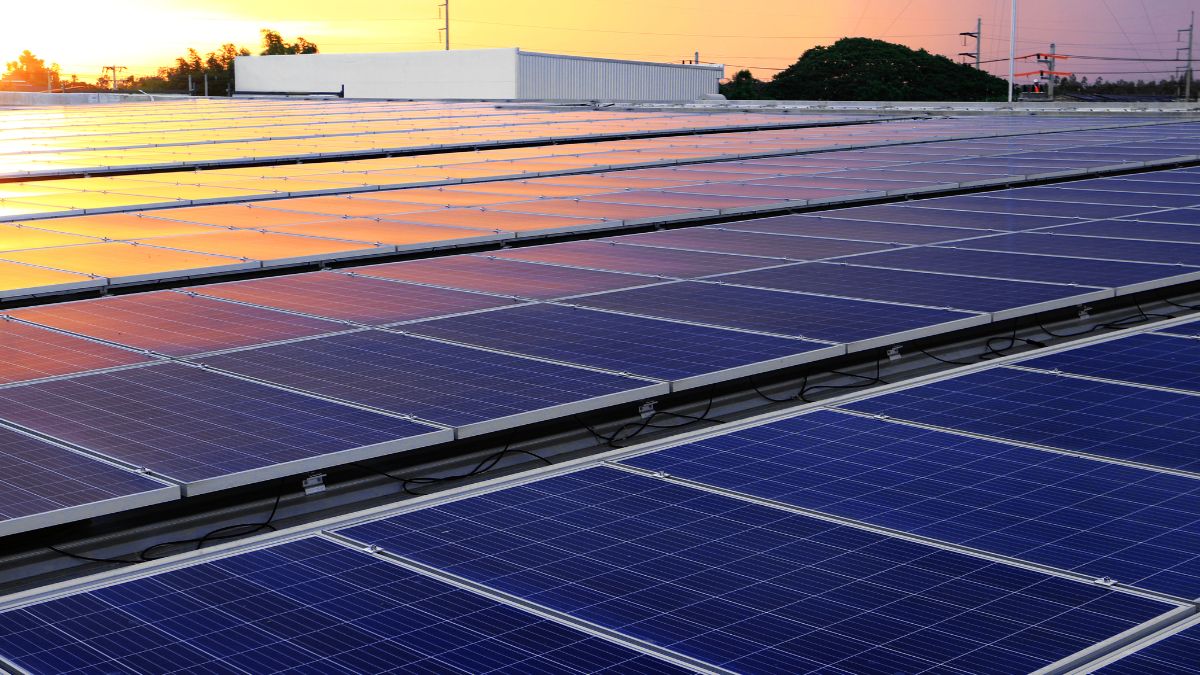
Vietnam is facing a new challenge in managing its rapidly growing rooftop solar power sector. The Vietnam Electricity Group (EVN) and the National Load Dispatch Center have recently introduced measures to reduce the output of rooftop solar systems during certain periods. This process, known as curtailment, is being implemented to protect the stability of the national power grid.
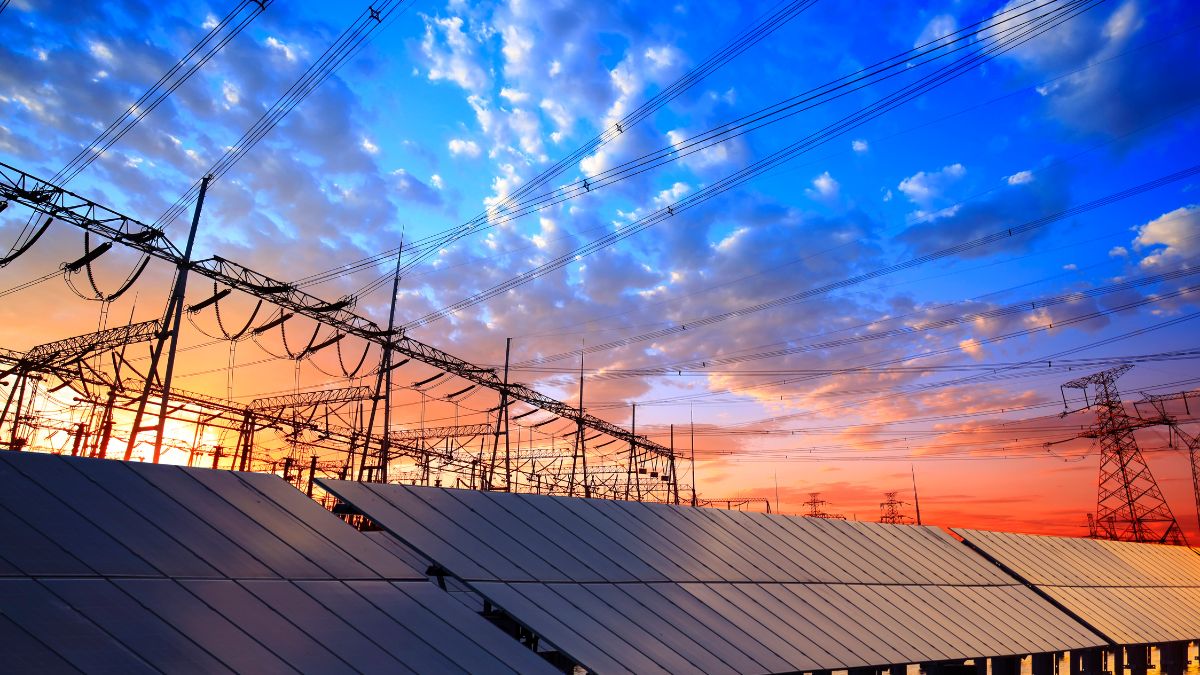
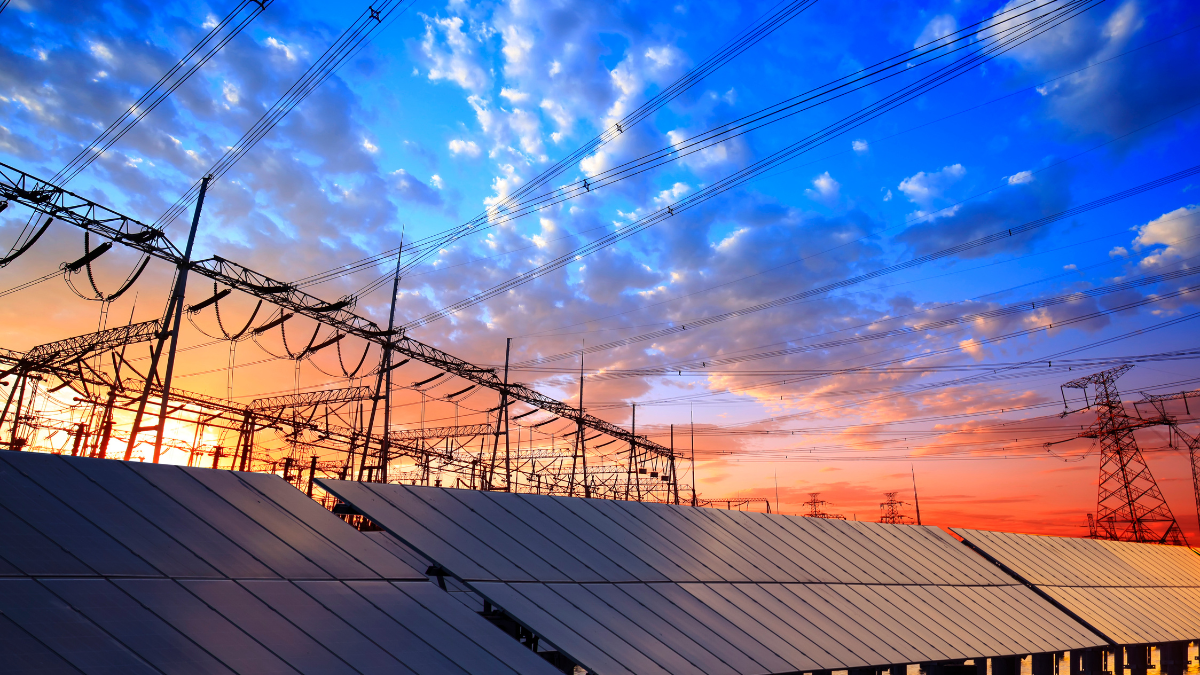
The main reason behind this move is the imbalance between electricity supply and demand. During the daytime, especially around noon, solar panels across the country generate large amounts of electricity. However, this peak production often does not match the actual demand from households and industries, which can be lower during these hours. As a result, excess electricity flows into the grid, creating pressure on transmission lines and increasing the risk of overload.
Since large-scale electricity storage is still limited and not widely available, the grid cannot efficiently store surplus solar power for later use. This makes it necessary for authorities to step in and control the amount of electricity being generated. Curtailment is particularly common during weekends and public holidays when industrial activity drops, but solar generation remains high due to strong sunlight.
EVN has clarified that these measures are essential to ensure the safe and stable operation of the power system. Without such interventions, there is a risk of serious issues, including power outages or damage to critical infrastructure. Maintaining grid stability is crucial for supporting the country’s economic activities and daily life.
However, this situation has created concerns among investors and homeowners who have installed rooftop solar systems. Many of them invested with the expectation of earning returns by selling excess electricity back to the grid under supportive government policies. With reduced output, their revenue is affected, and the time required to recover their investment is likely to increase.
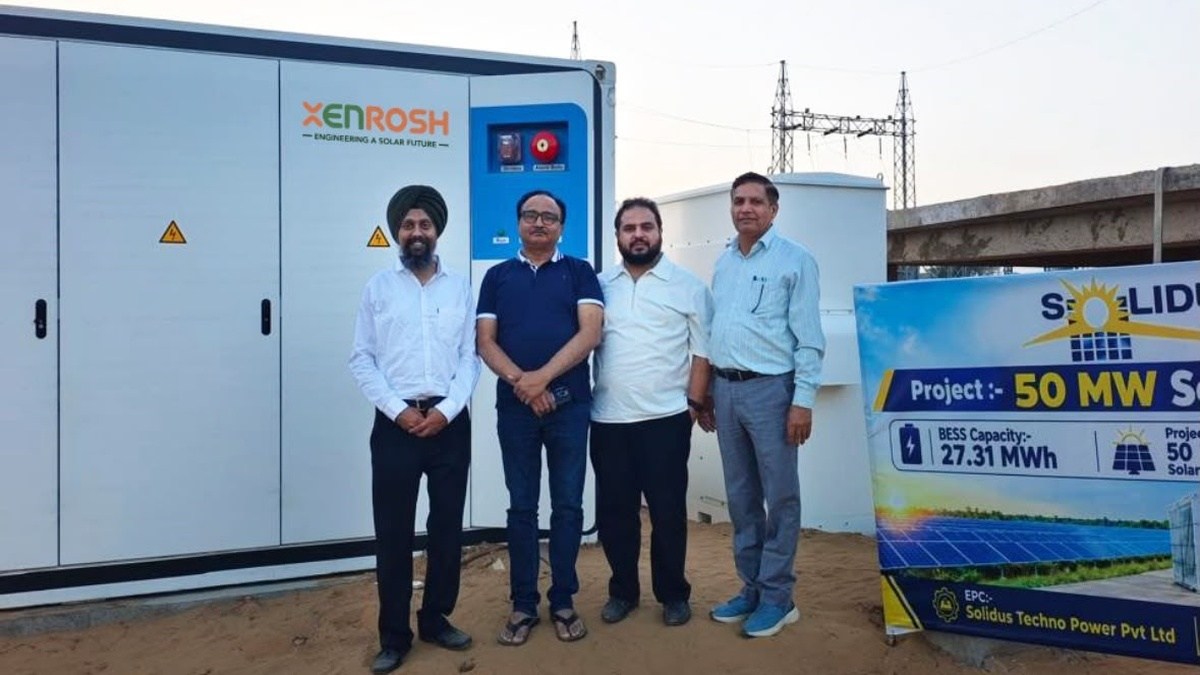
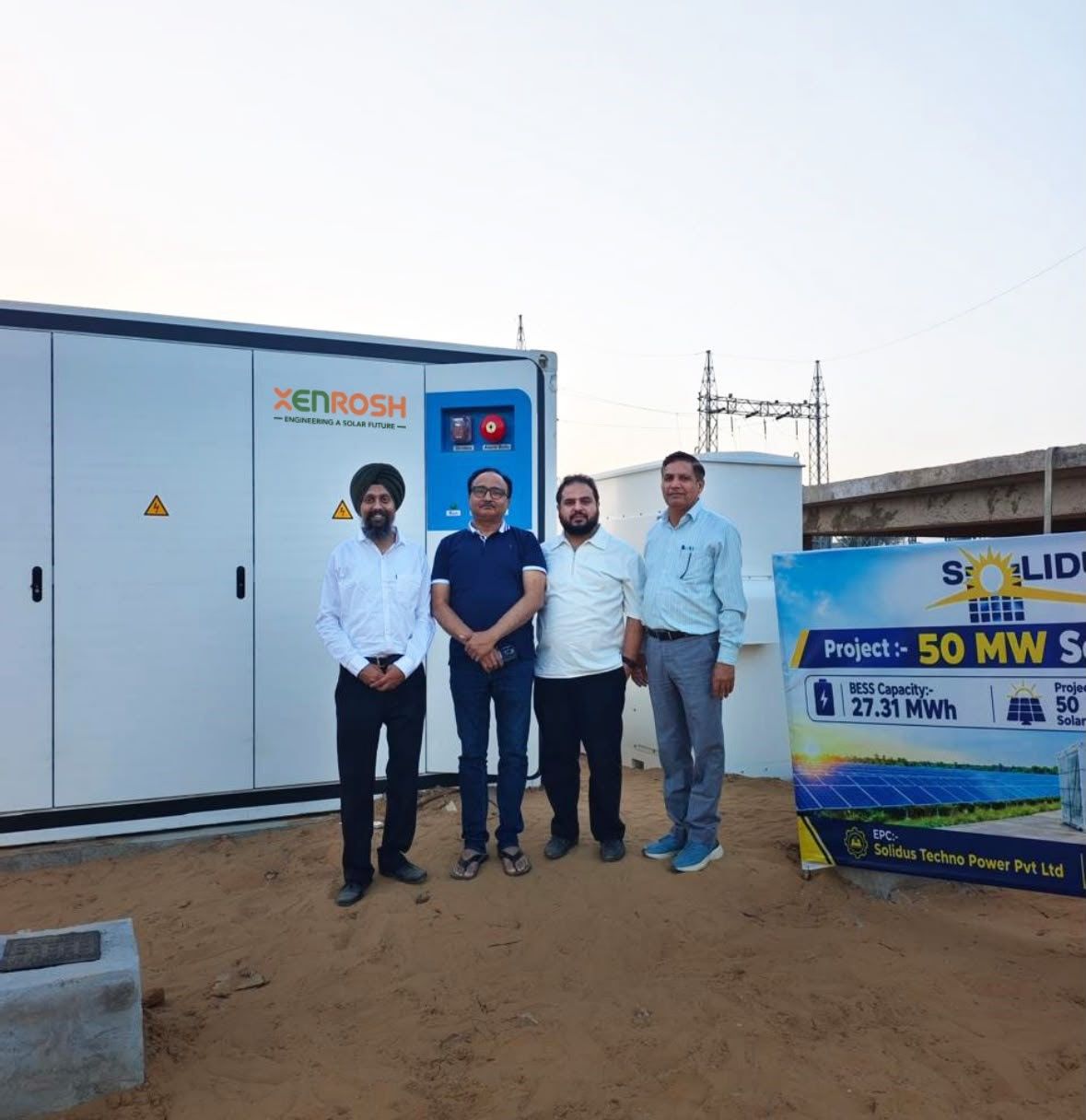
To address these challenges, the Vietnamese government is working on long-term solutions. Plans are underway to upgrade the national grid to handle higher levels of renewable energy. At the same time, there is growing interest in Battery Energy Storage Systems, which can store excess solar energy during the day and supply it during peak demand hours in the evening.
While rooftop solar remains an important part of Vietnam’s clean energy strategy, the current situation highlights the need for better infrastructure and coordination. The temporary use of curtailment is seen as a necessary step as the country continues its transition towards a more sustainable and reliable energy system.
Subscribe to get the latest posts sent to your email.