By
29 min ago 3 min read
The UK has entered its first week without Qatari LNG deliveries following disruption in the Middle East, with the last known cargo arriving at the South Hook terminal on April 10.
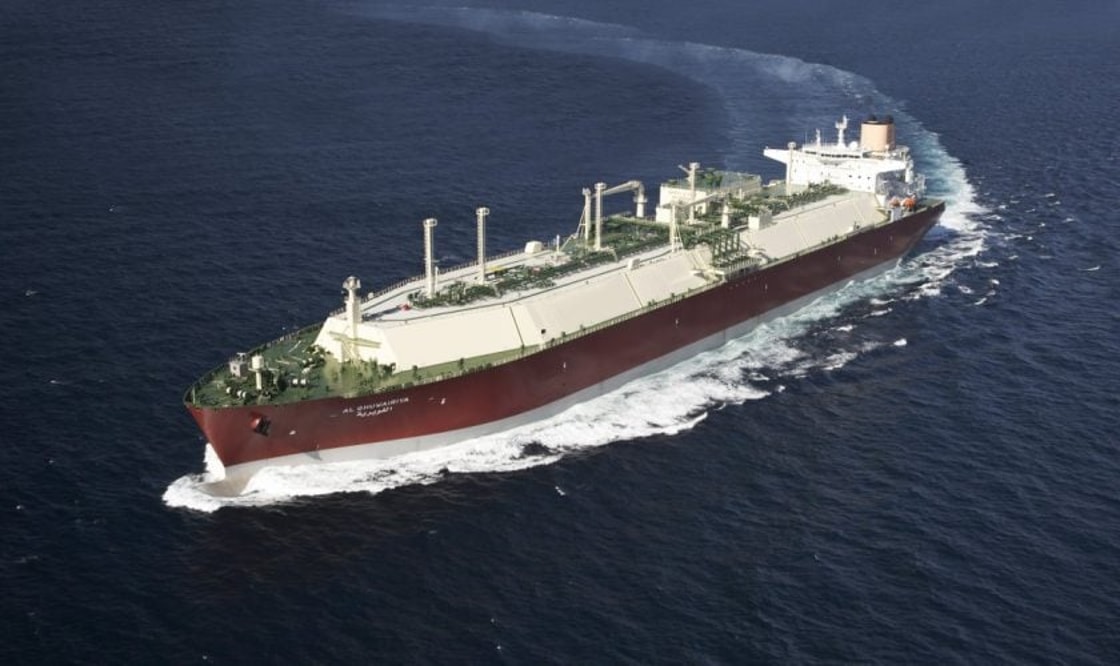
The shipment, delivered by LNG carrier Al Ghuwairiya, departed Qatar in February but was delayed en route.
The apparent pause in Qatari volumes, which typically supply the UK via the South Hook terminal in Wales, raises questions over how supply could be balanced if disruption persists.
gasworld has approached South Hook LNG for comment.
South Hook is the UK’s largest LNG import terminal and is majority-owned by QatarEnergy, making it a key entry point for Qatari gas.
Despite the halt in cargoes, UK network operators say the system remains well supplied for the summer months due to low seasonal demand.
“While the situation in the Middle East has understandably raised questions about Britain’s gas supplies, our forecasts indicate the market has the capacity to deliver sufficient supply to meet demand this summer,” said Glenn Bryn-Jacobsen, Director of Energy Systems and Resilience at National Gas.
Lower demand during warmer months means the UK system is largely supplied by domestic production and pipeline imports from Norway, which accounts for around 40 to 45% of UK gas supply. This limits the need for LNG cargoes when heating demand falls.
However, the halt in Qatari deliveries has introduced volatility into global LNG markets, particularly around spot cargo availability.
Read more:
Any prolonged disruption could place greater pressure on LNG supply ahead of the winter period, when UK import requirements increase and competition for cargoes intensifies.
The UK also retains LNG import capacity across terminals including South Hook, Dragon and Isle of Grain, providing flexibility during periods of higher demand.
The UK is already heavily exposed to US supply, with around 65 to 70% of its LNG imports sourced from the US in recent years, according to government data. Across Europe, US LNG has similarly become the dominant source of imports following the decline in Russian pipeline gas.
Read more:
In the absence of Qatari supply, US cargoes – alongside other flexible sources – are expected to play a greater role in balancing the market.
Wood Mackenzie forecasts that, as domestic production declines, the UK could increasingly rely on US LNG to meet demand. On current trajectories, US supply could account for more than 60% of the UK’s gas mix by the mid-2030s, reflecting both the decline of North Sea output and limited alternatives.
“Recent history highlights the risks of reliance on a single country,” the consultancy noted.
While the UK relies primarily on domestic production from the north sea, Norway, Europe and the US, and only a fraction of its energy from the Gulf, the UK is impacted by rising global energy prices.
Elevated gas prices lead to broader inflationary pressures across energy and electricity, and trickle down into a range of other key sectors such as property and construction.