By
39 min ago 2 min read
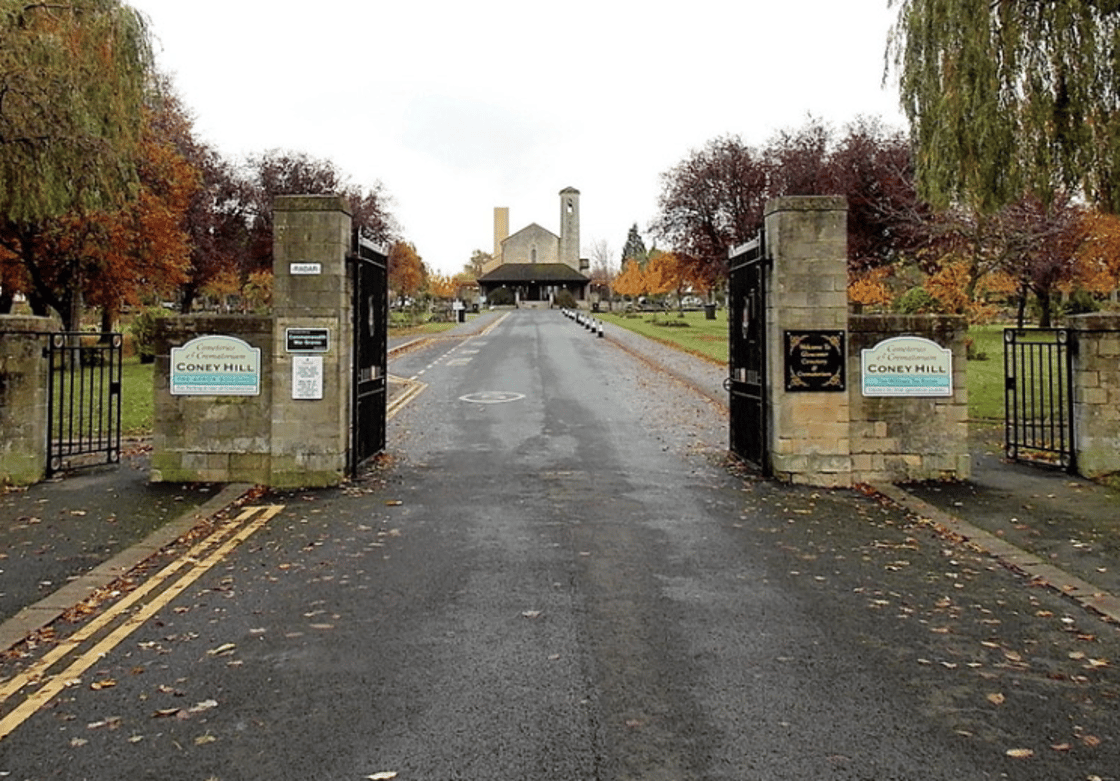
The UK’s Gloucester City Council is to invest £5m in upgrading Coney Hill Crematorium, with plans to transition the site to agricultural biomethane and 100% renewable electricity.
The project, funded through the council’s capital programme between 2026 and 2028, will include the replacement of existing cremators with more energy-efficient units and wider infrastructure improvements.
According to its five-year financial plan, the council will allocate £3.8m in 2026 to 2027 and £1.2m in 2027 to 2028.
“Chances to invest in crematorium facilities don’t come along very often – typically only once in a generation – so it’s something we’re genuinely pleased to be able to do,” said Cabinet Member Declan Wilson.
“These improvements will help us provide a better experience for bereaved families, while also ensuring the service continues to meet strict national standards now and into the future.”
Efforts to decarbonise the cremation sector have largely focused on a shift from natural gas to electric systems.
According to cremation industry analyst CDS Group, around 79% of people in the UK are cremated across more than 300 crematoria. Of the approximately 600 cremators in operation, the vast majority are gas-powered. Each gas-based cremation emits an estimated 120kg of carbon dioxide (CO2), equating to around 115,000 tonnes of CO2 annually across the UK.
Other UK councils are also now exploring lower-carbon alternatives.
Analysis from the HyCrem project suggests that 86% of UK crematoria could transition to electrification before 2030 without requiring major distribution network upgrades.
The project has also found that electrification could reduce overall energy use by around 91% compared with current natural gas or LPG-based systems.
Similar approaches are being deployed elsewhere in Europe. In Germany, one crematorium has switched to biomethane and renewable electricity, reducing emissions by around 100 tonnes of CO2 per year.
Other concepts are also being explored. In Almere, the Netherlands, the Cremaere crematorium operates fully electric cremators powered by wind energy, while its hearse fleet runs on biogas.