Small and medium-sized enterprises (SMEs) play a central role in South Africa’s economy, accounting for nearly 98% of all businesses and providing about two-thirds of total employment. Despite their strong presence, their role in environmental sustainability has often received limited attention. However, a recent study by accounting and small business researchers suggests that SMEs could become key drivers of the country’s green transition, although they continue to face several challenges beyond just financial constraints.
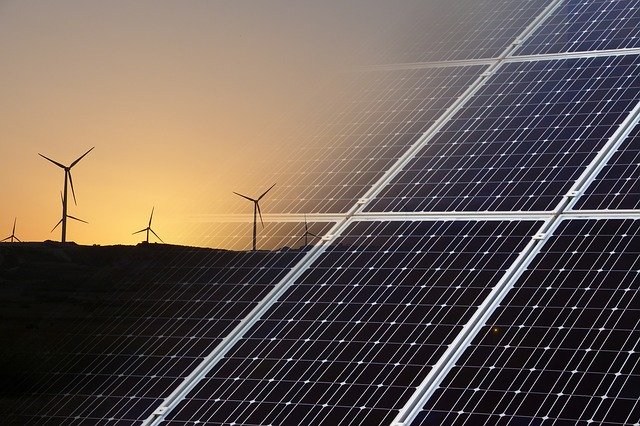
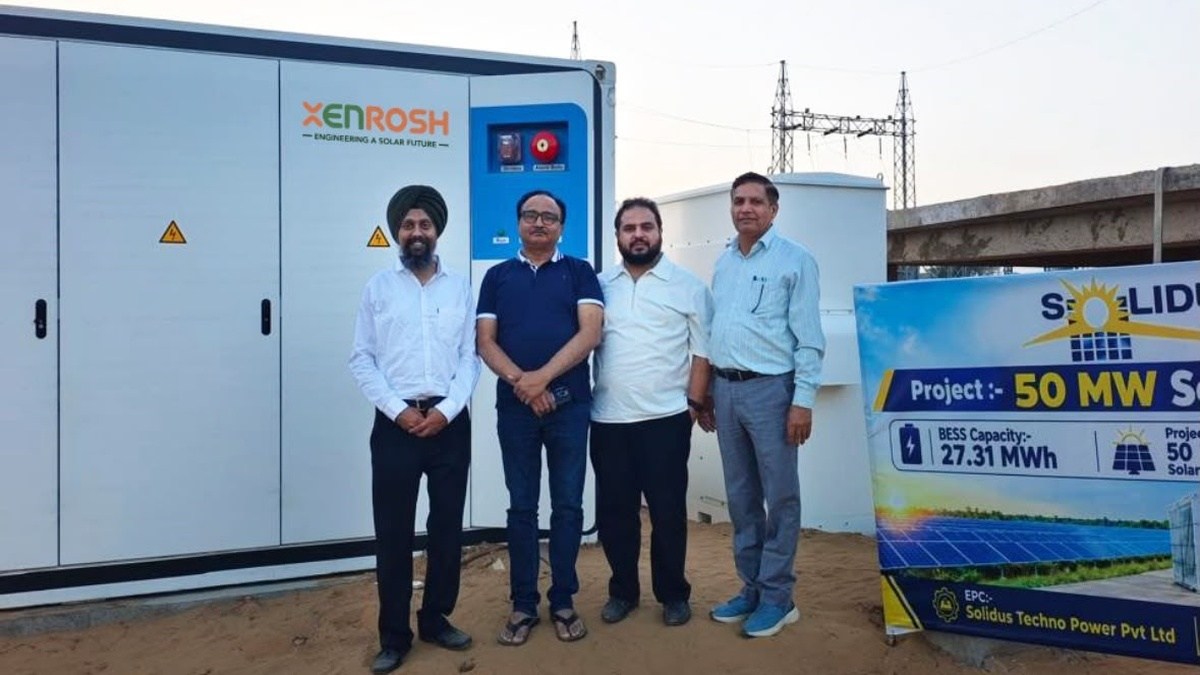
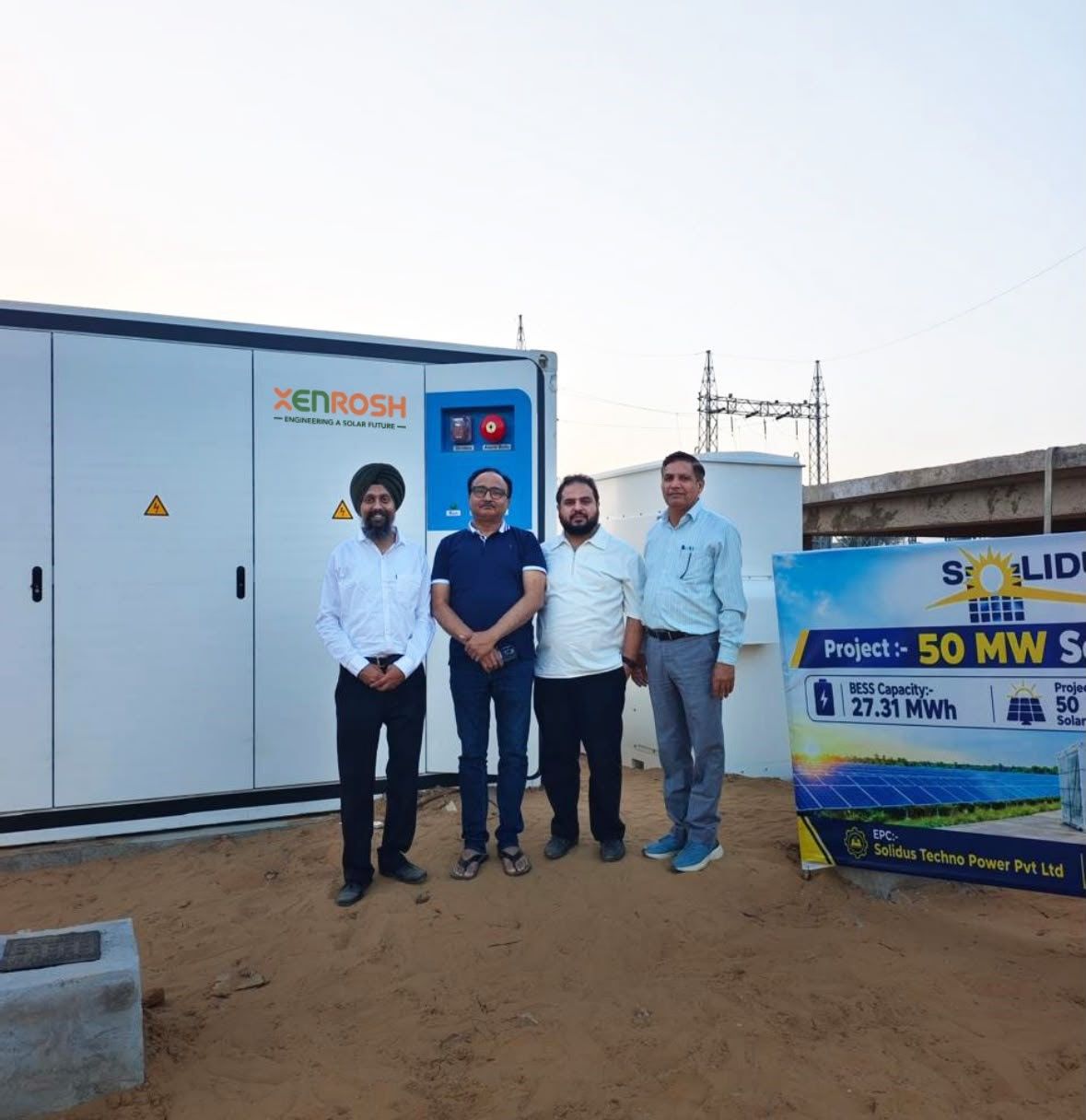
The study examined reports from 27 listed SMEs operating across sectors such as mining, manufacturing, and construction. It found that growing awareness of climate risks is pushing many small businesses to rethink their operations. Issues like water shortages and extreme weather conditions are no longer distant concerns but real threats to business continuity. As a result, SMEs that understand these risks are more likely to invest in clean energy solutions and water-efficient technologies. For them, sustainability is not only about environmental responsibility but also about ensuring long-term survival and stability.
At the same time, the study highlights a clear gap between awareness and action. Many SMEs are willing to adopt sustainable practices but lack the necessary knowledge to do so effectively. Business owners often struggle to find clear and reliable information about how to implement green solutions or understand how these investments can lead to cost savings over time. This lack of guidance slows down decision-making and delays the transition process.
Interestingly, the research points out that when businesses openly identify the challenges they face, it reflects a positive step forward. Recognizing issues such as high upfront costs, regulatory complexity, or limited technical expertise shows that these companies are actively engaging with the idea of sustainability and are more prepared to seek solutions.
The study also makes it clear that financial support alone is not enough. While green finance options are becoming more available through banks and financial institutions, many SMEs do not have the technical skills or operational systems needed to access or effectively use these funds. This creates a gap between funding availability and actual implementation.
To address these issues, the study calls for stronger collaboration between the government and financial institutions. Simplifying regulations, reducing administrative burdens, and offering practical training can help SMEs overcome existing barriers. By providing both financial and technical support, South Africa can unlock the full potential of its small business sector.
If these efforts are successfully implemented, SMEs could play a major role in building a more sustainable and competitive economy. Their collective actions, though small individually, could create a significant impact on both the environment and the country’s economic future.