By
33 min ago 2 min read
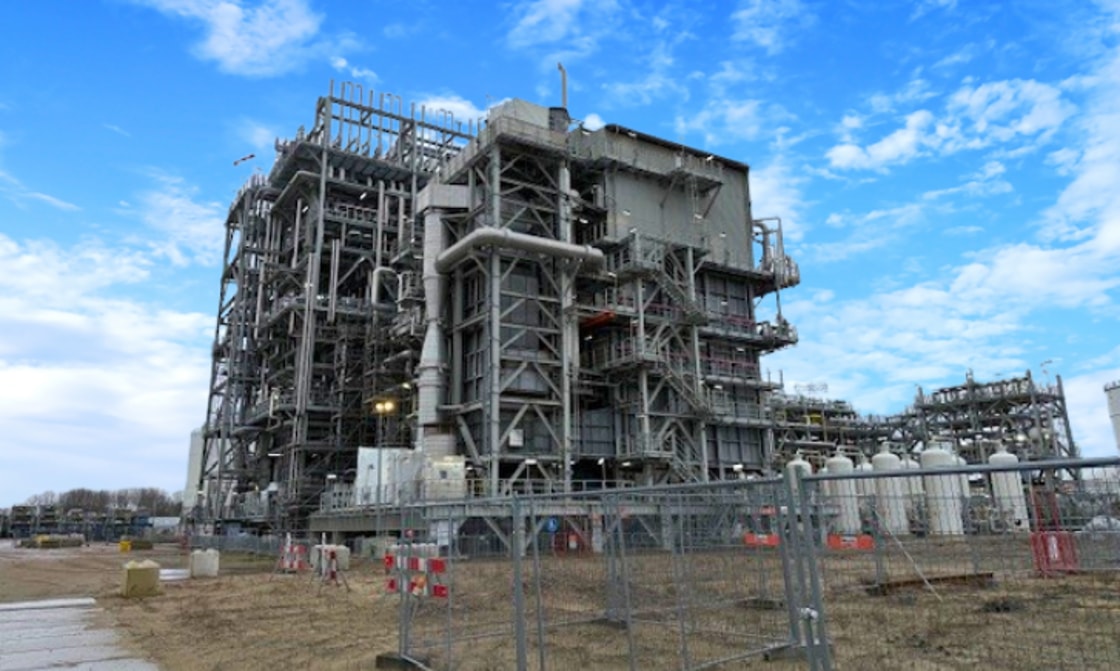
Shell’s partially built blue hydrogen and biofuels project in Rotterdam is up for sale after the oil and gas major confirmed it would not resume construction of the facility in 2025.
The biofuels facility at the Shell Energy and Chemicals Park began construction in 2021, initially planned to produce around 16,000 barrels per day (bpd) of sustainable aviation fuels (SAF) and renewable diesel, and 65,000Nm3/hour of blue hydrogen.
However, Shell in 2025 after pausing construction in 2024, claiming it would be “insufficiently competitive,” with total spend reaching $1.4bn.
Now, process plant buyer International Process Plants (IPP) said the complex, which had “progressed through EPC, with equipment already fabricated, delivered”, was available for acquisition and completion.
The complex includes a 16,000 bpd HEFA conversion unit, 3,000 tonne per day pretreatment from Alfa Laval, and 65,000Nm3/hour steam methane reformer equipped with carbon capture from Linde.
Other equipment already integrated into the site includes storage infrastructure, fired heaters, gas treatment, substations, electrical equipment, and utilities.
IPP has not advertised a guide price for the development, but said “flexible acquisition options” are available, which could see the entire platform or individual process blocks bought. This could see equipment relocated to entirely different projects.
Shell’s decision to abandon the development came amid the company’s pivot firmly back towards oil and gas operations as it looked to increase shareholder returns.
Blue hydrogen and clean fuel economics in Europe have faced increasing challenges with high and volatile natural gas prices, while the additional operating costs of carbon capture widen the cost gap to unabated fossil fuels.
Sales of partially completed assets at this stage remain relatively uncommon in large-scale energy projects, where developments are more often mothballed or written down.
However, the availability of pre-fabricated equipment could attract buyers looking to reduce capital costs and accelerate timelines, particularly in a market where first-wave hydrogen projects continue to face economic pressure.