By
13 min ago 3 min read
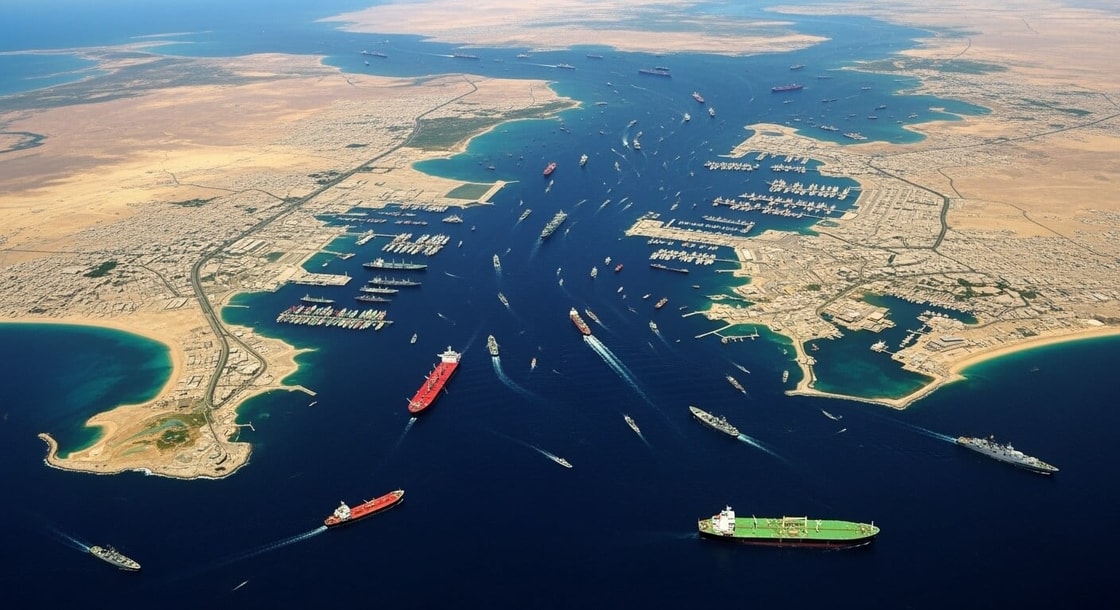
The notion of a Hormuz premium for ships passing through the Strait of Hormuz is gathering momentum as a possible solution to break through the current impasse. It has been mooted that the premium would be between 5 to 15% of the total forward price during elevated-tension periods, and 2 to 5% during lower-tension periods.
Opponents fear such a scheme could be replicated in other regions, such as the Malacca Strait between Indonesia and Malaysia, further complicating supply chains and adding costs to global trade. Here we consider some of the key issues arising from a Hormuz premium.
Increased feedstock prices
Industrial gas production, particularly for nitrogen, hydrogen, helium and liquefied natural gas derivatives, relies heavily on hydrocarbon feedstocks sourced from the Gulf. More than a quarter of global nitrogen fertiliser trade and about a fifth of LNG (the key feedstock for nitrogen production) transit the strait. Companies with fixed long-term supply contracts may face margin compression as spot markets surge due to scarcity.
Transport and logistics costs
Shipping delays and higher insurance premiums will raise operational costs. Before the war, premiums were around 0.25% of hull value; now it would be in the range of 1 to 5% – which for a $100m hull value would work out $5m per transit. This would likely be passed on in higher freight rates and premiums.
Re-routing gas shipments is limited so industrial gas producers may face supply interruptions or increased storage costs, affecting liquidity. The disruption has led to a surge in bunker prices, which are a major component of shipping costs.
An ongoing challenge for the industrial gas industry is the 200 which remain stranded in Qatar with no clear shipping route – although Air Liquide CEO Francois Jackow that it can export containers by road.
Reduced production capacity
Feedstock scarcity can force suppliers to reduce output or prioritise high-margin products while energy-intensive suppliers, such as nitrogen fertiliser or specialty gas producers, may experience temporary shutdowns or throttled production.
Margin pressure and inflationary spillover
Rising feedstock and logistical costs directly feed into industrial gas pricing, potentially generating inflationary pressures. Customers in chemicals, electronics, healthcare and manufacturing may experience higher procurement costs, indirectly influencing industrial gas demand. The net effect is tighter margins and heightened price volatility, particularly for suppliers who are heavily dependent on Middle Eastern LNG and associated hydrocarbons. This week it emerged EU fossil fuel import costs in the last two months and the Pentagon announced the war has cost $25bn so far.
Market asymmetry
This is not a one-size-fits-all scenario. Asia, particularly Japan, South Korea and India, is most exposed to high LNG imports while Europe has moderate exposure, though countries such as the UK are vulnerable due to its reliance on imported energy, particularly gas, and gas-fired power infrastructure. Middle East operators with onshore assets are less affected, but downstream facilities relying on exports face profit margin pressures from transport bottlenecks.