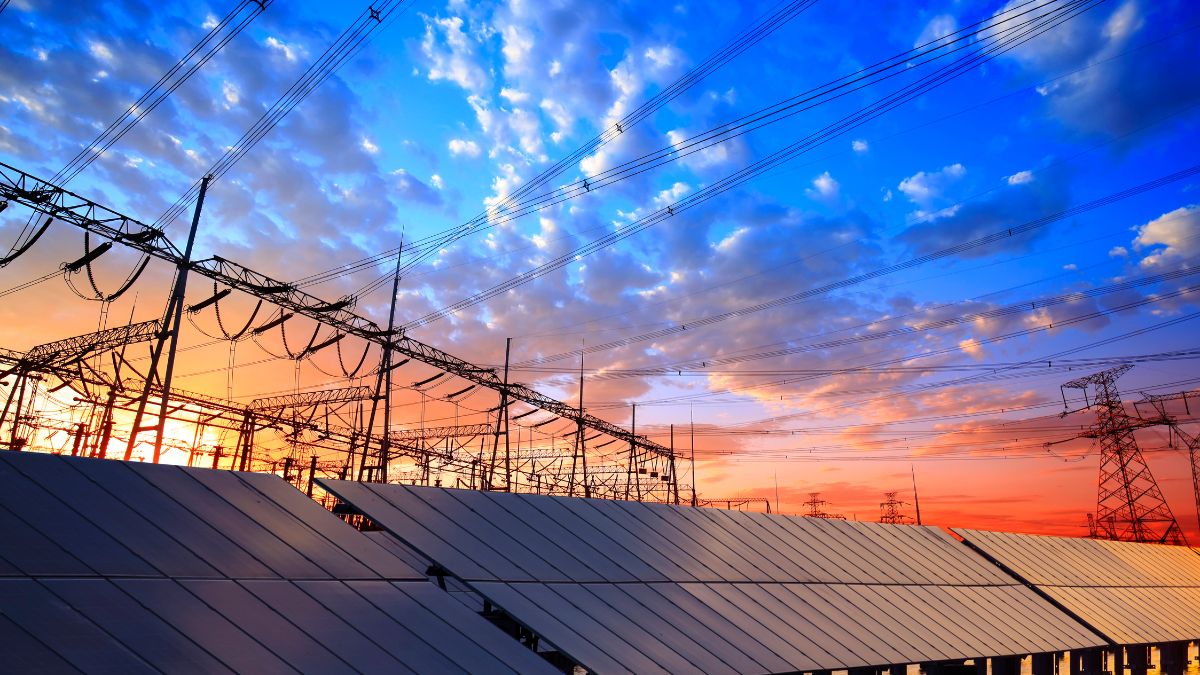
The government of Western Australia has announced a major financial plan to upgrade its main electricity network as part of its shift toward clean energy. Under a new initiative called the Powering WA Clean Energy Fund, the state has committed AUD 1.5 billion (around US$1 billion) to improve and expand the South West Interconnected System, which supplies power to most of the population, including the Perth metropolitan region.
The main goal of this investment is to prepare the grid for a future where renewable energy becomes the dominant source of electricity. The state is planning to gradually close its coal-fired power stations over the next decade. As this transition happens, the electricity network must be able to handle a much larger share of power coming from renewable sources like solar and wind.
At present, many renewable energy projects in the region are facing delays. This is mainly because the current transmission network does not have enough capacity to carry electricity from remote areas, where renewable resources are strong, to cities and industrial centers where demand is high. To address this issue, the government plans to build hundreds of kilometers of new, high-capacity transmission lines.
These new transmission lines, often described as “energy highways,” will play a key role in connecting renewable energy zones and large battery storage systems to the main grid. This will help ensure a stable and reliable electricity supply, reducing the risk of power outages while also lowering carbon emissions.
The project is not only important for environmental reasons but also for economic growth. The government believes that a stronger and modern electricity grid is necessary to support emerging green industries. Sectors such as green hydrogen production and lithium processing require large amounts of reliable and clean electricity to compete in global markets.
By investing in grid infrastructure now, the state aims to attract new industries and create long-term economic opportunities. Officials have said that this step will help position Western Australia as a key player in the global clean energy transition.
This effort is part of the broader Powering WA strategy, which focuses on better planning and coordination of energy infrastructure. The government has also indicated that this public funding is expected to encourage further private investment in renewable energy projects, helping transform the state’s energy system in the coming years.
Subscribe to get the latest posts sent to your email.