The Japanese government is considering a round of subsidies for electricity for a period of three months, Reuters reported today, citing unnamed sources. The price tag of the subsidies is seen at the equivalent of $3.1 billion.
If approved, the subsidies will take effect in July and last until September, following a statement by the country’s industry minister who warned that the effects of higher LNG prices on the price of electricity will become palpable around June. Japan uses liquefied gas to generate electricity.
Japan is the world’s second-largest importer of liquefied natural gas due to its energy commodity scarcity. These imports last year came into the spotlight after the United States stepped up the pressure on Russia’s energy industry and buyers of Russian energy commodities, urging them to switch to U.S. energy instead.
In addition to U.S. LNG, Japan was importing liquefied gas from Qatar. In fact, a month before the war erupted, Japan’s biggest LNG importer and largest power producer, JERA, signed a long-term LNG sale and purchase agreement with QatarEnergy to secure the supply of 3 million tons per annum for 27 years, with deliveries expected to commence in 2028.
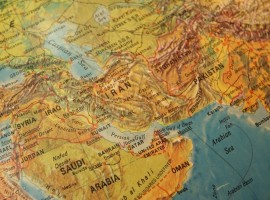
The war in the Middle East made the situation a lot more problematic, adding a supply squeeze to the already existing problem of high prices. Even so, JERA said this week it had secured its LNG supply through July and will adjust its procurement strategy to be more flexible amid the Middle East conflict that has trapped LNG supply behind the Strait of Hormuz.
The disruption prompted the Japanese government to start subsidizing fuel prices, with estimates on the price tag of that subsidy pegging it at over $3 billion. With the new power subsidies, Japan’s subsidy fund, which has some $6.26 billion, could run out of money in a couple of months.
By Irina Slav for Oilprice.com
More Top Reads From Oilprice.com
- Brent Breaks $113 as Traders Brace for Months of Disruption
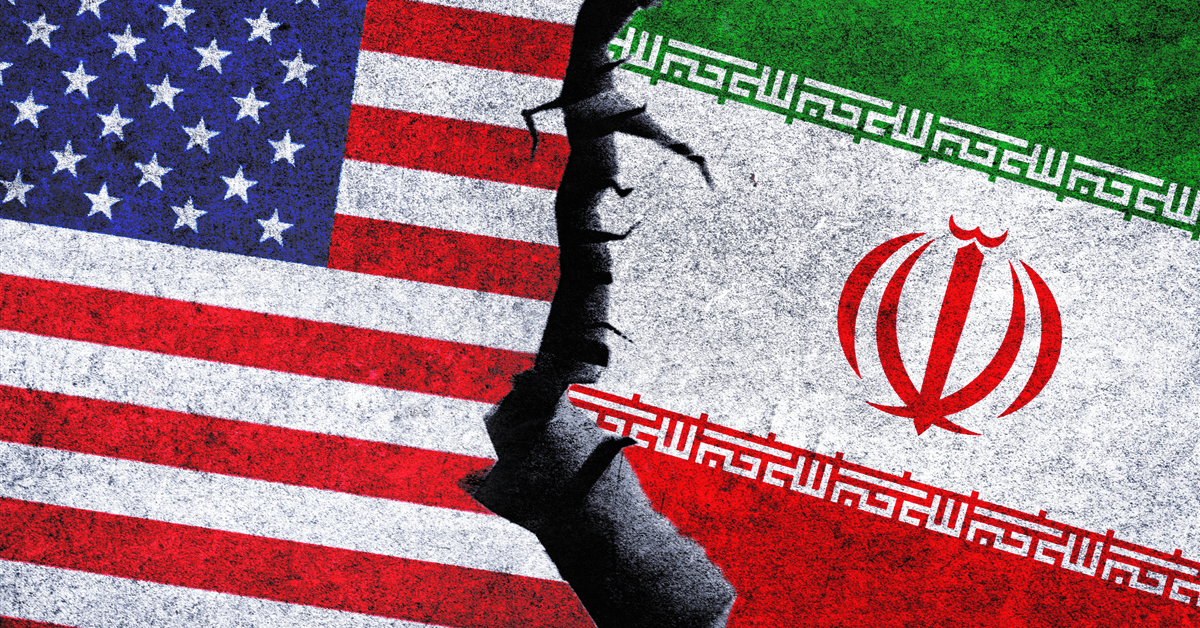
- Hormuz Disruptions Drive Crude Higher as U.S.-Iran Diplomacy Stalls
- U.S. Doubles Down on Hormuz Blockade to Choke Iran’s Oil Exports