Oil prices continued to climb in early Asian trade on Thursday, with traders pricing in a prolonged disruption to Middle East supply flows as inventories continue to shrink.
Brent crude for July delivery climbed to $113.09, up 2.65%, while West Texas Intermediate rose 2.28% to trade at $109.30. Notably, the expiring front-month Brent contract was trading at over $121, highlighting just how tight prompt supply has become in the region.
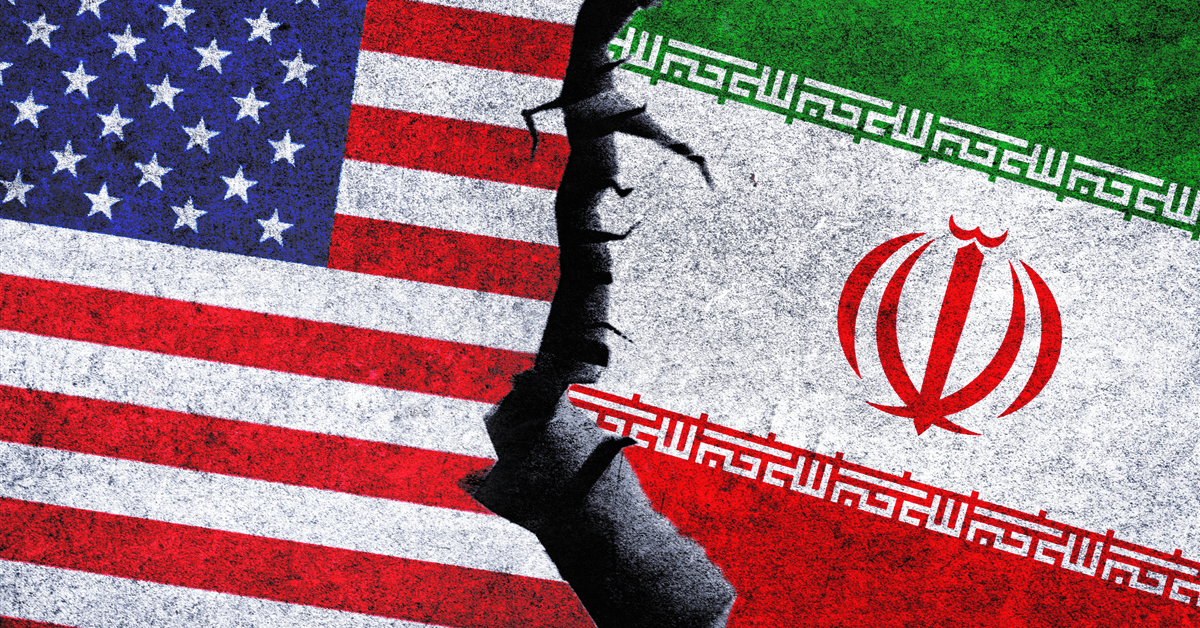
The latest rally has come on the back of failed diplomatic efforts to reopen the Strait of Hormuz and a continuing U.S. military buildup in the region. On Tuesday, President Trump met with oil industry leaders to discuss market stability and the possibility that the conflict would continue for months, a further signal to the oil market that there is no relief coming any time soon.
Tehran has effectively restricted most non-Iranian shipping through Hormuz since late February, while Washington has escalated pressure by blockading most Iranian-linked vessels. The result is what the IEA director described as the biggest energy crisis in history.
Alongside geopolitical risk, tightening inventory data is adding to upward pressure on oil prices, with the EIA reporting steep declines in both crude and gasoline stocks.
Meanwhile, OPEC+ is expected to announce a modest output increase of around 188,000 barrels per day at its Sunday meeting, according to Reuters’ sources. The move comes just days after the UAE confirmed it would leave the group effective May 1, a decision is sure to weaken OPEC+ over time.
In the short term, the UAE’s decision to leave OPEC and OPEC+ is unlikely to have an impact on the market due to physical limitations of getting any more supply online. In the medium term, particularly if the Strait of Hormuz crisis is solved, the development could mean a significant volume of new supply.
For now, prices are set to continue trending higher as physical markets continue to tighten and neither Iran nor the U.S. appears ready to bring the current conflict to an end. With an ever-growing U.S. military footprint in the region, there is a significant upside risk for oil if a major escalation leads to further supply outages and the closing of the Bab el-Mandeb Strait.
By Josh Owens for Oilprice.com
More Top Reads From Oilprice.com
- Hormuz Disruptions Drive Crude Higher as U.S.-Iran Diplomacy Stalls
- Brent Tops $114 as Market Braces for Prolonged Disruption
- U.S. Doubles Down on Hormuz Blockade to Choke Iran’s Oil Exports