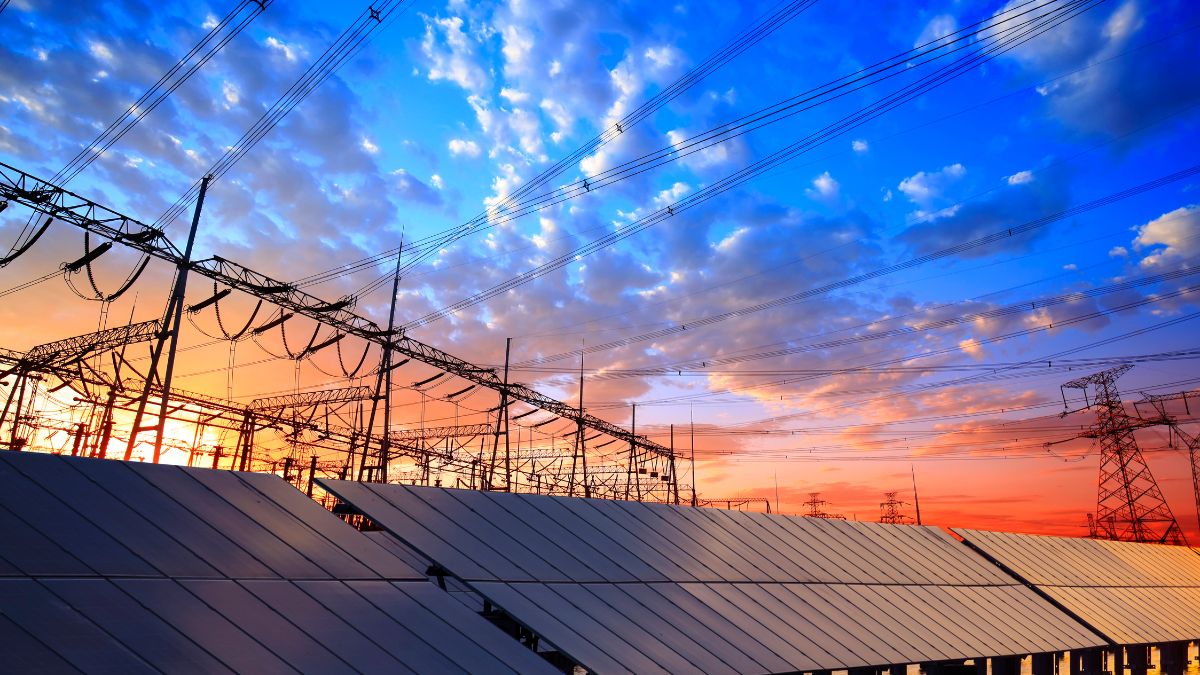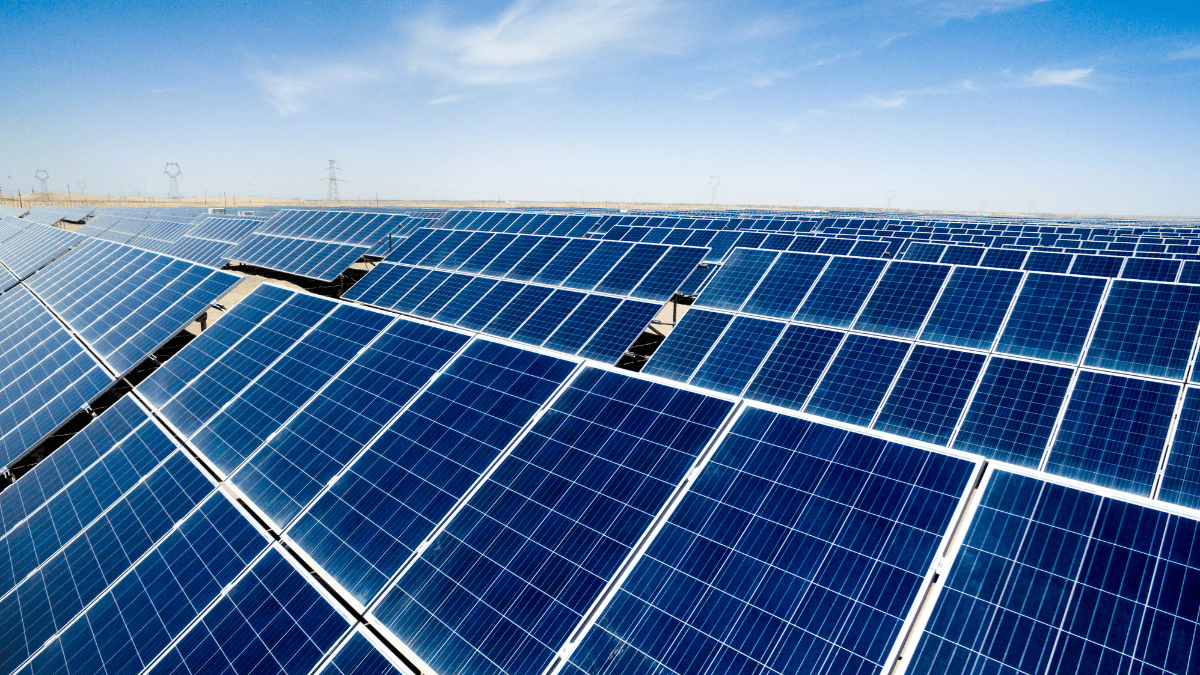
The provincial government of Negros Occidental is moving ahead with a major renewable energy program that is expected to save nearly P1 billion in electricity expenses over the next 25 years. The initiative focuses on installing solar power systems in several government-owned buildings and facilities as part of the province’s long-term sustainability goals.
Governor Eugenio Jose Lacson said the transition to solar energy is not only aimed at cutting costs but also at encouraging wider adoption of clean energy across the province. According to the provincial government, reducing electricity expenses will help free up funds that can later be used for other important public services.
The first phase of the project will cover major government offices and provincial hospitals, which are among the largest consumers of electricity in the province. Officials believe that shifting these facilities to solar power will significantly reduce dependence on conventional electricity sources and lower monthly utility bills. Experts involved in the project estimate that power consumption from the traditional grid could decline by at least 30 percent once the solar installations become fully operational.
The solar initiative is being implemented through a partnership arrangement that allows the province to avoid large upfront investment costs. Under the agreement, the savings generated from lower electricity bills will gradually pay for the solar systems and related infrastructure. This approach is expected to make the transition more financially manageable for the local government while still allowing it to benefit from renewable energy technology.
The project also supports the province’s long-running “Green Negros” campaign, which promotes environmental protection and renewable energy development. Negros Occidental has already earned recognition as one of the leading renewable energy provinces in the Philippines because of its solar farms and biomass energy projects. By integrating solar systems into public facilities, the provincial government is strengthening its commitment to reducing reliance on fossil fuels, especially coal.
Officials added that the use of solar power combined with battery storage systems could improve the energy security of important facilities such as hospitals. During power outages or natural disasters, these systems can continue supplying electricity for essential services. This is considered especially important in a province that regularly experiences typhoons and unstable power supply conditions.
Environmental groups and local leaders have welcomed the project, saying the expected savings could help improve healthcare, education, and infrastructure programs. The move further strengthens Negros Occidental’s position as a leading example of how renewable energy investments can provide both economic and environmental benefits.
Subscribe to get the latest posts sent to your email.