By
5 hours ago 3 min read
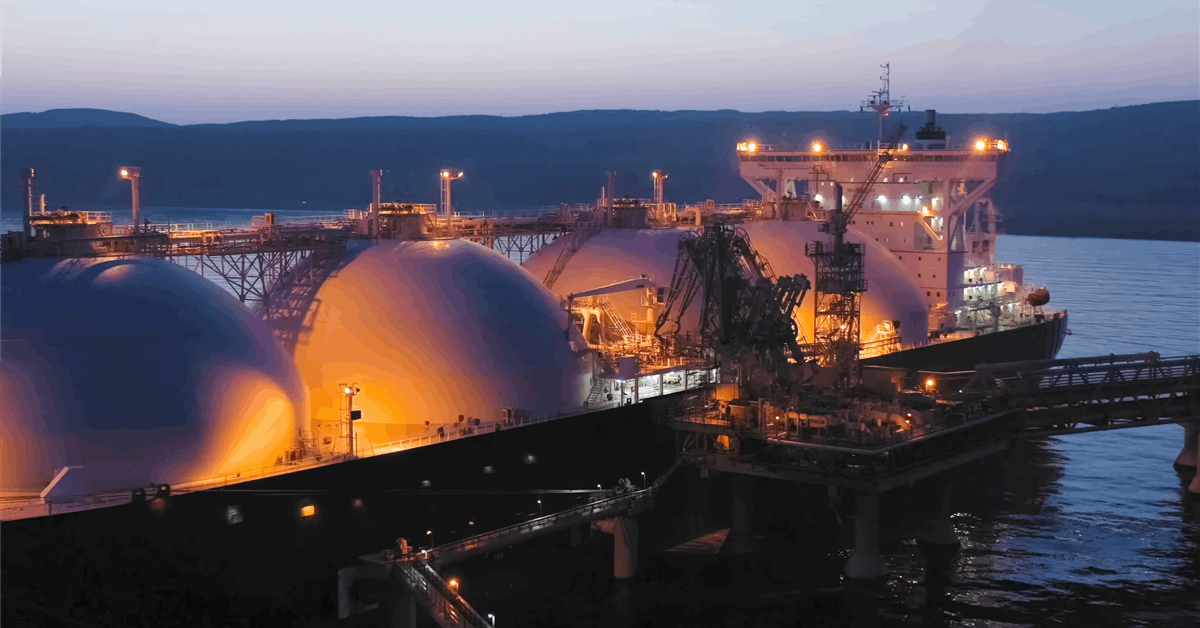
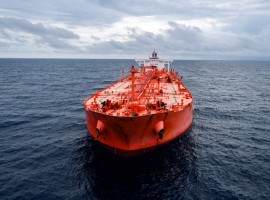
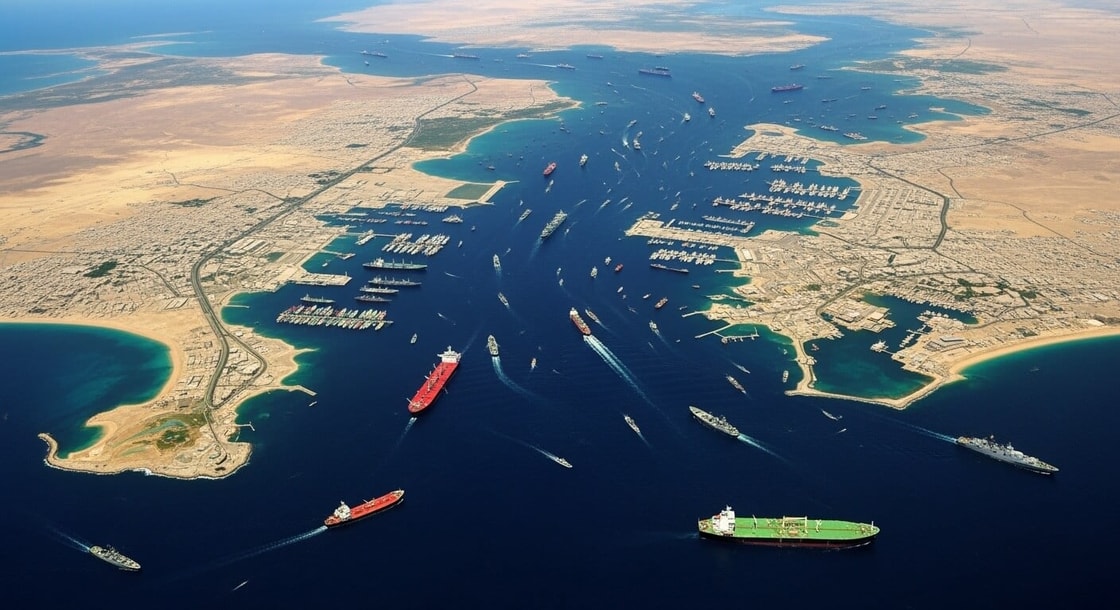
Qatar has undertaken its first liquefied natural gas (LNG) shipment through the Strait of Hormuz since the Middle East conflict began.
QatarEnergy did not officially confirm the passage, on the Al Kharaitiyat vessel, but it was recorded on shipping and tracking data websites and reported by a range of media outlets including Doha News.
Its cargo is bound for Pakistan, which last week issued .
Reports of a second vessel passing through the strait, also bound for Pakistan, emerged on Monday with the Mihzem having capacity of 174,000 cubic metres.
The situation in the region remains tense after US President Donald Trump rejected a 14-point counterproposal from Iran regarding a ceasefire, the UAE reported drone and missile attacks, and Israeli strikes on Lebanon, where 1.2 million people have been displaced since March, have continued.
Damage to LNG liquefaction infrastructure in Qatar is set to reduce projected supply growth and delay the impact of the anticipated global LNG expansion wave by at least two years, according to the International Energy Agency.
The combined effect of short-term supply losses and slower capacity growth could result in a of LNG supply between 2026 and 2030. The damage to the Ras Laffan facility may take up to five years to fully resolve, leading to a long-term premium on LNG futures.
QatarEnergy’s has forced European and Asian buyers to seek alternative, more expensive suppliers.
North American and Australian producers are seeing increased demand for their output, acting as a partial buffer to the Qatar shutdown, but they need to reconcile domestic and global needs. From July 2027, LNG producers in eastern Australia will have to reserve 20% of exports for the domestic market. The LNG export surge has triggered a steep rise in the price of domestic gas, forcing some gas-dependent businesses such as fertiliser plants to close.
Global fertiliser producer CF Industries has warned that widespread ammonia plant shutdowns, LNG shortages and geopolitical disruptions into 2027.
Pressures on helium continue to rise with suppliers placing customers on allocation, providing only a fraction of their contracted volumes.
The supply shortage is hitting the tech sector hard with analysts warning of a $650bn problem where AI infrastructure growth could be stunted by a lack of the critical gas. It is also impacting .