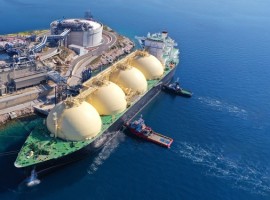
Qatar has requested LNG vessels near its Ras Laffan LNG port to switch off their transponders as part of safety measures at the key export port of the world’s second-largest LNG exporter before the war, anonymous sources with knowledge of the plan told Bloomberg on Tuesday.
The de facto closure of the Strait of Hormuz has trapped about 20% of daily global LNG flows, mostly those previously shipping out of Qatar and part of the UAE’s LNG flows.
In addition, Iranian drone and missile strikes on energy infrastructure in the region has damaged Qatar’s key LNG liquefaction complex Ras Laffan, the world’s single largest such facility. Due to the attacks, QatarEnergy has been forced to declare force majeure for up to five years on some long-term LNG contracts and has advised that full capacity could take up to five years to restore following extensive damage from the strikes.
The waters around Qatar have seen increased security threats since the war began on February 28. After more than two months of total blockage of Qatari shipments out of the Strait of Hormuz, the major Gulf LNG exporter is now apparently seeking to avoid being targeted.
Set OilPrice.com as a preferred source in Google .
At least nine LNG tankers that were anchored near Qatar stopped sending signals via their Automatic Identification System from May 11, vessel-tracking data compiled by Bloomberg showed, in a sign that Qatar may have indeed asked ships to go dark to avoid being targeted.
A tanker laden with LNG from Qatar successfully passed the Strait of Hormuz this weekend, the first such transit since February 28.
Crude tankers have also successfully exited the Strait in recent days, after going dark, according to shipping data cited by Reuters.
“Commercial shipping and maritime security activity around the Strait of Hormuz are increasingly shifting into dark or emissions-controlled conditions,” maritime intelligence firm Windward said on Monday.
By Charles Kennedy for Oilprice.com
More Top Reads From Oilprice.com
- Europe’s Chemicals Sector Gets a Brief Reprieve
- Modi’s Fuel Price Freeze Is Costing State Retailers Billions
- Brazil’s Oil Exports to China Double as Iran War Upends Crude Flows