PreussenElektra – a subsidiary of EOn Group – applied in October 2017 for approval to decommission and dismantle the 1,360 MWe pressurised water reactor which entered commercial operation in February 1985, and was shut down in December 2021.
The Lower Saxony Ministry for the Environment, Energy and Climate Protection issued the first decommissioning and dismantling permit to the company for the Grohnde plant in December 2023, with dismantling work beginning in the following month.
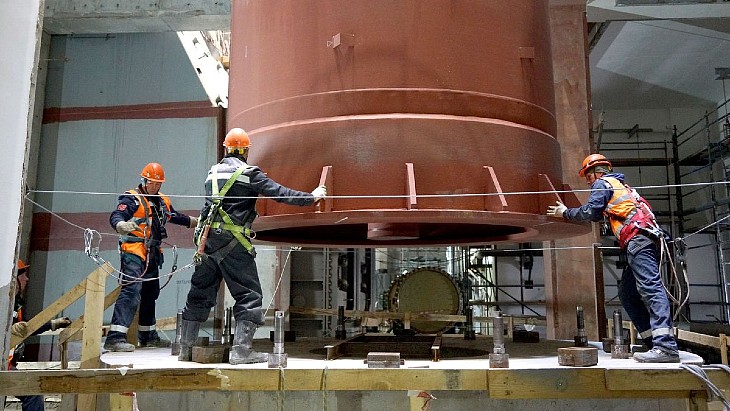
The dismantling process to date has included the removal of components from the primary cooling circuit. Simultaneously, the newly constructed waste treatment centre has commenced operations. There, all dismantled materials are broken down, radiologically measured, cleaned, and, after official approval, either disposed of or recycled. On 7 April this year, PreussenElektra announced that all the used nuclear fuel assemblies in the storage pool at Grohnde had been transferred to an on-site interim storage facility. To achieve fuel-free status, a total of 694 fuel assemblies were transferred from the plant’s storage pool into CASTOR used fuel storage casks.
PreussenElektra submitted the application for the second decommissioning permit in January 2024. This permit allows further key decommissioning work to proceed, including the removal of the reactor pressure vessel and the surrounding biological shield.
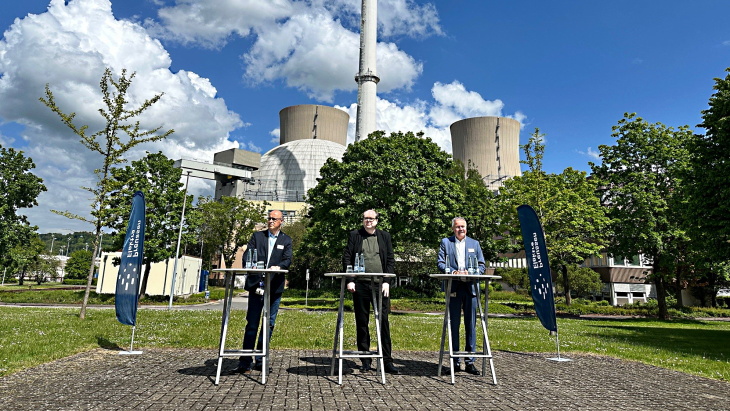
During a visit to the plant on 15 May, Lower Saxony’s Minister for the Environment, Energy and Climate Protection, Christian Meyer, officially presented PreussenElektra with the second and final permit for the plant’s decommissioning. With this, all necessary permits for the complete dismantling of the plant are now in place.
Starting later this year, one of the most technically demanding phases of the decommissioning process will begin: the dismantling of the reactor pressure vessel’s internal components. Planning for this is already under way. The first cut is currently scheduled for early 2027. The project is expected to be completed by mid-2028.
“I thank everyone involved for their excellent work on the decommissioning application,” said Environment Minister Christian Meyer. “With the final decommissioning permit now granted and the reactor building being free of nuclear fuel, we are creating clarity and the conditions for the safe and sustainable decommissioning of the Grohnde nuclear power plant and its interim storage on site. The decommissioning of nuclear facilities must be safe, transparent, and under strict nuclear regulatory oversight. Our shared goal is a swift, competent, and responsible decommissioning process.”
Guido Knott, Chairman of the Management Board of PreussenElektra, said: “With the second permit, we now have all the legal prerequisites to carry out the dismantling of the KWG consistently and according to plan. Our aim is to implement the dismantling safely, efficiently and quickly – with the clear goal of completing the nuclear dismantling by the mid-2030s and being able to use the site for future projects as soon as possible.”
In a third, conventional phase, the dismantling will take place after clearance from nuclear regulatory oversight. The dismantling of Grohnde is scheduled for completion by 2039. Afterwards, the power plant site will be available for redevelopment.
PreussenElektra is responsible for the decommissioning of eight nuclear power plants in Germany. Isar 2 was the last of the PreussenElektra plants to cease operations on 15 April 2023. The Brokdorf and Grohnde plants were shut down on 31 December 2021. With the already decommissioned Isar 1, Stade, Unterweser and Würgassen plants, all of PreussenElektra’s nuclear facilities are now in various phases of decommissioning and dismantling. The company’s goal is to dismantle its power plant fleet by 2040.