

Thailand is preparing to reform its electricity tariff structure in an effort to make power prices fairer and reduce electricity costs for households and local industries. Energy Minister Akanat Promphan announced that the government is reviewing the current pricing system to ensure that electricity charges better reflect actual costs. The Ministry of Energy is currently awaiting feedback from the Energy Regulatory Commission before moving forward with the proposed changes, as the reforms will impact both consumers and state electricity agencies.
One of the key areas under review is the existing household tariff structure, where consumers with higher electricity usage are charged at higher rates. The government is also examining several factors that contribute to rising electricity bills. These include power purchase agreements that may place an unfair financial burden on the state, losses occurring within electricity transmission and distribution networks, and the cost of public lighting, which is currently passed on to consumers through their electricity bills.
A significant part of the planned reform is the introduction of a new electricity user category called Type 9, which will apply specifically to data centers. According to the minister, data centers consume large amounts of electricity and depend heavily on power generated from imported natural gas, which is more expensive. As a result, the government believes these facilities should pay electricity rates that more accurately reflect their actual power consumption costs.
Revenue generated from the higher tariffs imposed on data centers will be used to help reduce electricity costs for households and domestic industries. The government sees this approach as a way to create a fairer balance in the electricity pricing system while supporting economic growth.
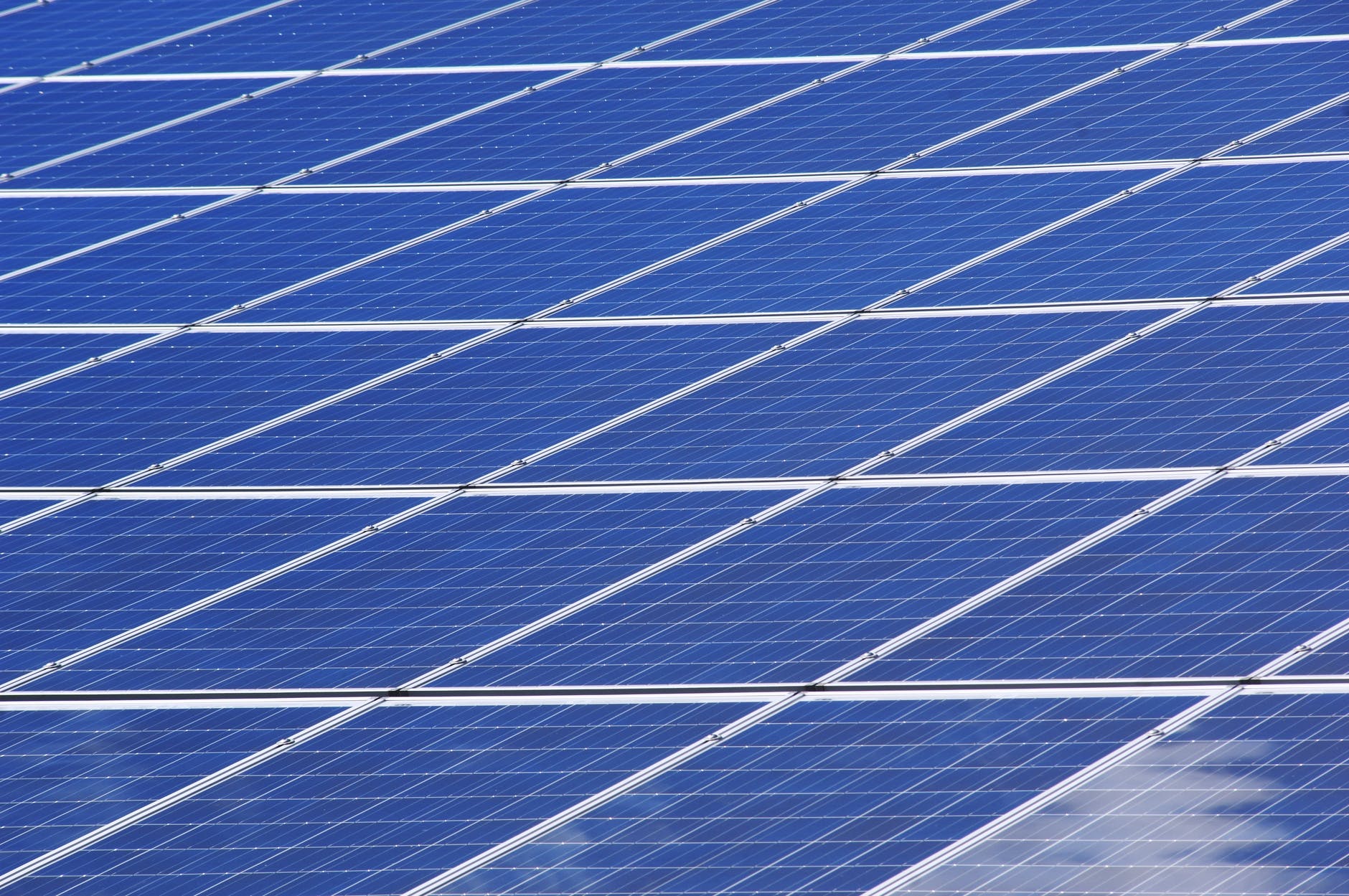
At the same time, Thailand is continuing its efforts to expand renewable energy adoption. The Ministry of Energy plans to accelerate the implementation of a system that will allow households to sell excess electricity generated from rooftop solar panels back to the national grid. Officials expect the framework to be finalized within the month.
To encourage greater adoption of clean energy technologies, government support will focus on providing assistance with down payments and offering lower-interest financing through state-owned banks. These measures are intended to help more citizens invest in rooftop solar systems and electric vehicles, supporting Thailand’s transition toward a cleaner and more sustainable energy future.
Subscribe to get the latest posts sent to your email.










)