By
12 min ago 2 min read
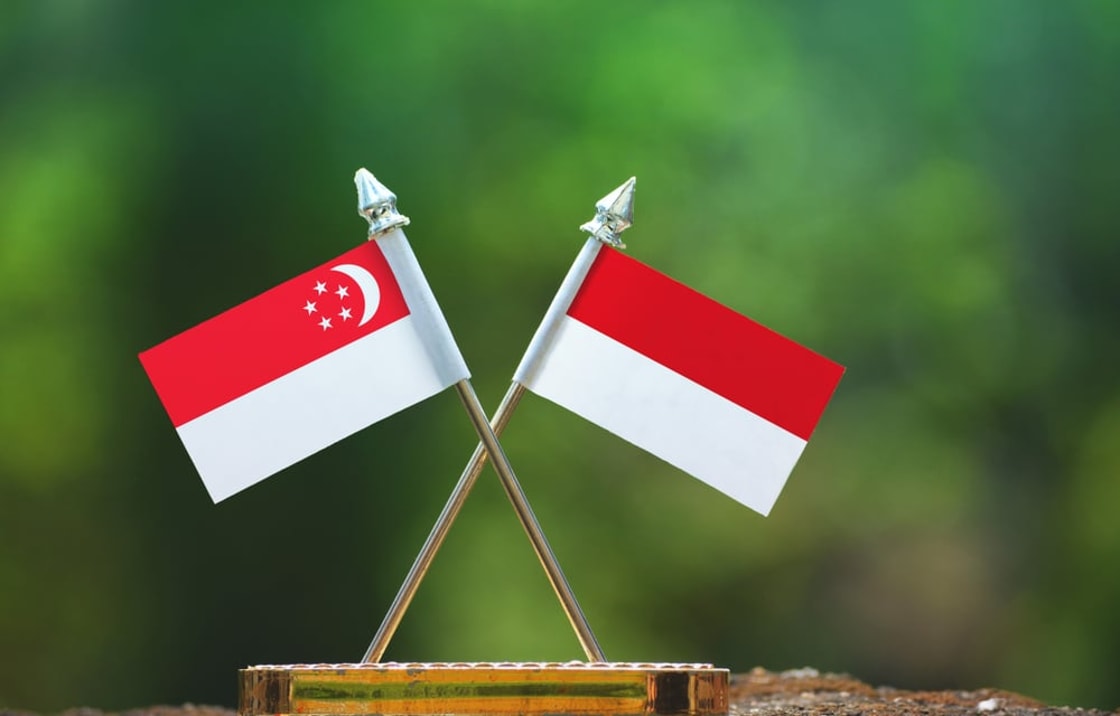
Indonesia is in discussions with Singapore to develop green electricity exports and industrial estates, and pursue carbon capture and storage (CCS) opportunities.
Both countries face challenges in reducing emissions, for different reasons.
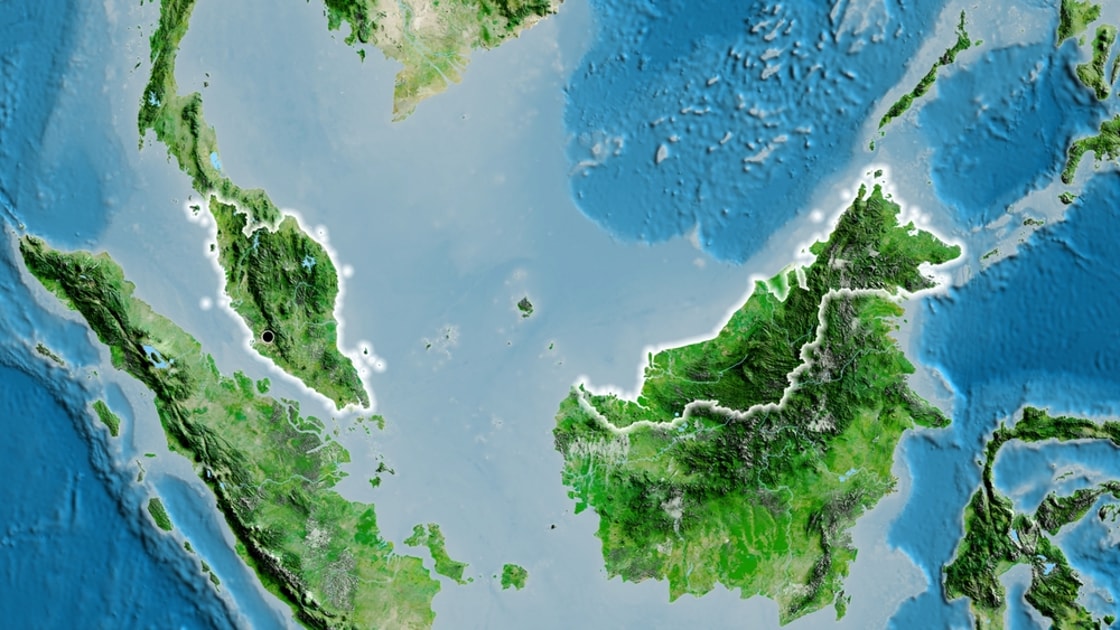
Since city state Singapore lacks land and geology for carbon storage, it is considering shipping captured carbon to Indonesia, which has massive underground capacity (up to 400 gigatonnes) in depleted oil and gas reservoirs and saline aquifers.
Indonesia, a large and diverse archipelago of islands, is grappling with a heavy reliance on cheap coal for electricity, widespread deforestation for palm oil, and rising transport emissions. It is targeting net zero by 2060.
The primary challenge facing the CCS industry in Indonesia is its high cost, estimated at $35 to $60 per tonne of CO2, according to law firm Norton Rose Fulbright.
“Due to these significant expenses, investors are heavily reliant on government support, such as tax incentives, subsidies or regulatory frameworks, to make projects financially viable,” it notes.
“However, they also anticipate that technological advancements and economies of scale will drive down costs over time. In addition, currency volatility and elevated financing costs in Indonesia further undermine the economic feasibility of these capital-intensive CCS initiatives.”
Transporting carbon across international waters is legally complex. Questions over who owns the CO₂ and who is liable if a leak happens are still being resolved. Regulations covering carbon quality specifications and commingled carbon streams have also not yet been addressed in detail.
Another challenge is building CCS plants and long-range subsea cables is very costly. Both nations need clear carbon-pricing laws to make these investments profitable.
Last summer Singapore’s Energy Market Authority appointed three power generation companies – Keppel’s Infrastructure Division, PacificLight Power and YTL PowerSeraya – to conduct .
Singapore and Japan signed a Memorandum of Cooperation (MOC) to pursue collaboration on CCS .