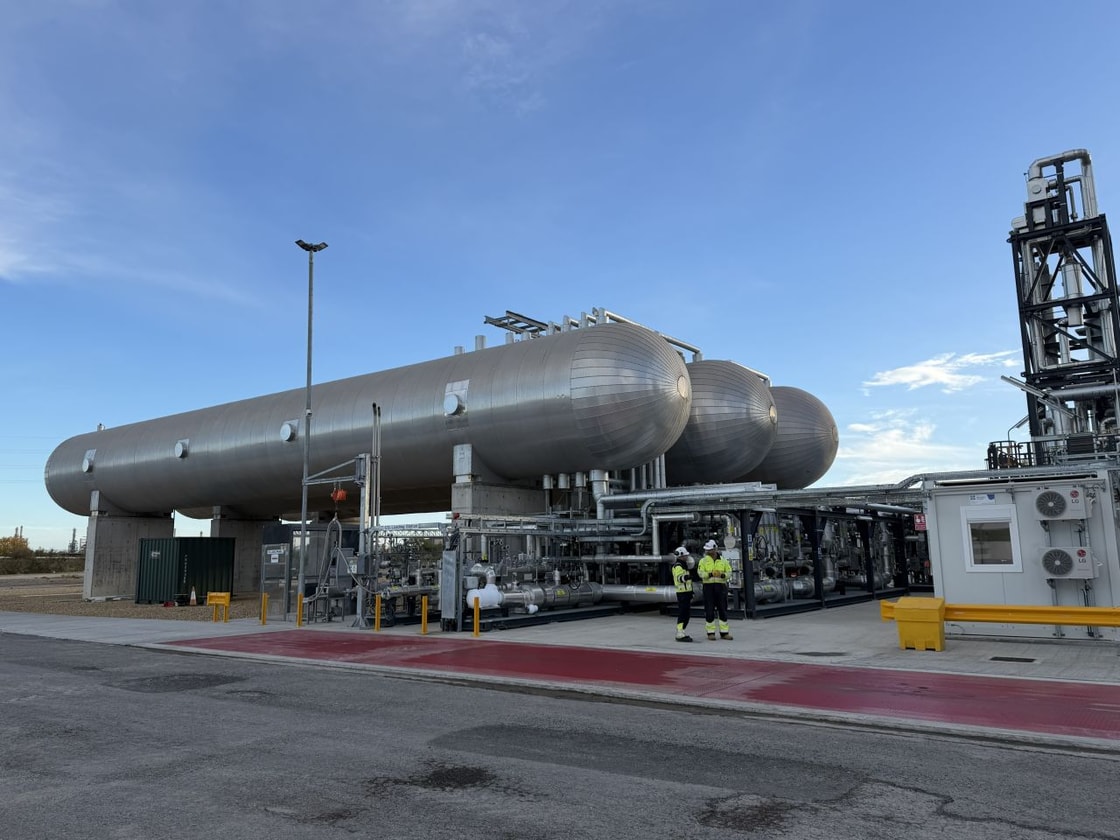
UK-based carbon capture company Nuada has partnered with French energy infrastructure group IDEX to deploy one of Europe’s first industrial-scale biogenic carbon dioxide (CO2) capture facilities. The project forms part of growing efforts to develop renewable CO2 supply chains across Europe.
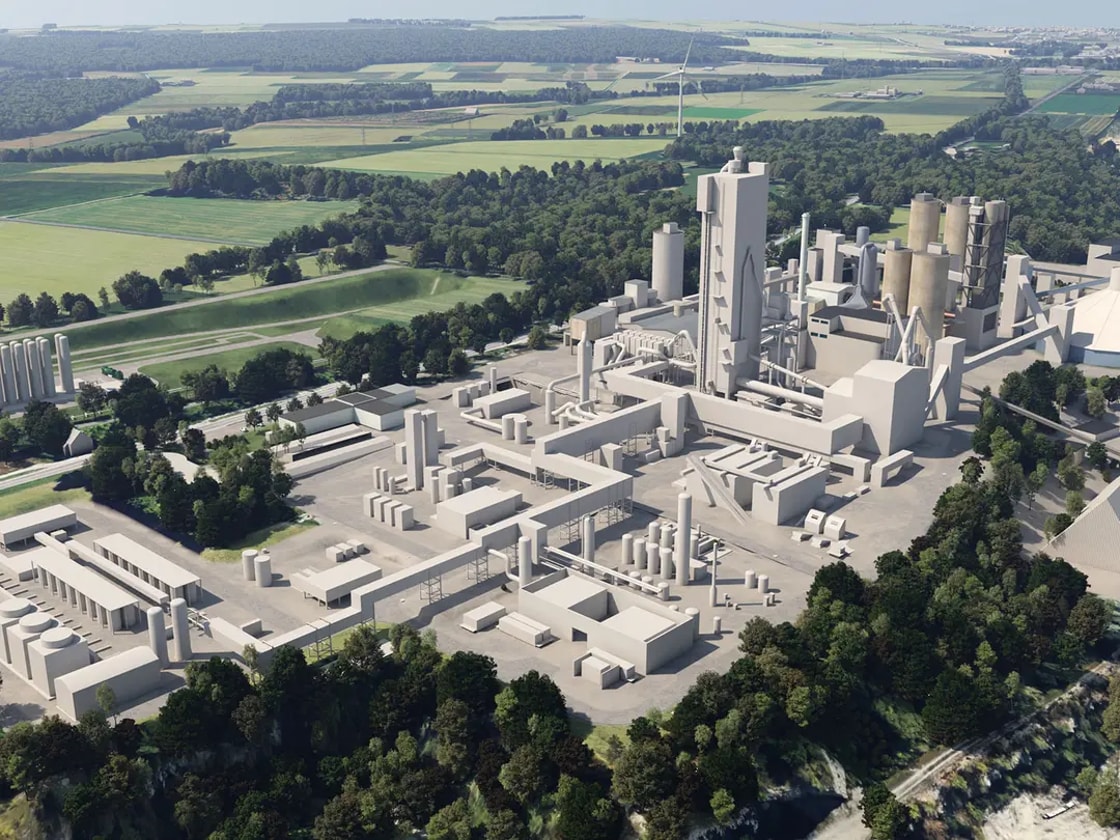
The facility will be installed at IDEX’s Kogeban biomass cogeneration plant in Hauts-de-France and is expected to capture up to 10,000 tonnes of biogenic CO2 each year.
Captured CO2 will be purified and liquefied for industrial use, particularly in the food and beverage sector, while a portion will be permanently stored underground to generate carbon removals.
The announcement comes as interest grows in biogenic CO2 as Europe looks to diversify away from fossil-linked supplies. Much of the continent’s food and beverage-grade CO2 remains tied to ammonia production, leaving supply vulnerable to energy market disruption, plant outages and wider geopolitical events.
Speaking during a gasworld , David Hurren, CEO and Director of DAH Renewable Consultancy, said around 40 to 45% of Europe’s CO2 supply remains linked to ammonia production, making the market vulnerable to wider energy shocks.
“What we’re seeing now is that biogenic CO2, coming from AD, is becoming an increasingly important part of that story,” he said.
Unlike conventional post-combustion capture systems, Nuada’s Adspire technology uses metal-organic frameworks (MOFs) to selectively separate CO2 from flue gases.

Cogeneration plants (also known as combined heat and power plants) simultaneously produce electricity and useful thermal energy (heat or steam) from organic materials ©Shutterstock
Powered entirely by electricity, the process eliminates chemical solvents and is designed to reduce the energy requirements associated with carbon capture.
Following pilot demonstrations, the Kogeban installation marks Nuada’s first industrial-scale deployment. The technology has been designed for replication at industrial sites across France and Europe without disrupting existing heat or power generation.
Once captured, the CO2 will be upgraded to a quality suitable for industrial applications before being supplied to regional manufacturers, replacing fossil-derived CO2.
Remaining volumes will be transported for permanent geological storage, creating so-called negative emissions by preventing biogenic carbon from returning to the atmosphere.
Conor Hamill, Co-CEO of Nuada, described the project as “a decisive milestone” for the company.
“Together with IDEX, we will demonstrate that it is possible to capture biogenic CO2 under conditions that are viable from both a technical and economic perspective,” he said.
“Designed to be replicated at other industrial sites in France and across Europe, our technology paves the way for a more efficient decarbonisation of residual emissions.”
The project follows other recent developments in Europe’s expanding biogenic CO2 market. Last month, Danish biomethane producer BioCirc carrying captured biogenic CO2 from its carbon capture and storage facility in Vesthimmerland.
The plant, designed to remove 32,500 tonnes of CO2 annually, forms the first of five BECCS facilities planned by the company, with the liquefied CO2 transported for permanent storage beneath the North Sea as part of Project Greensand.