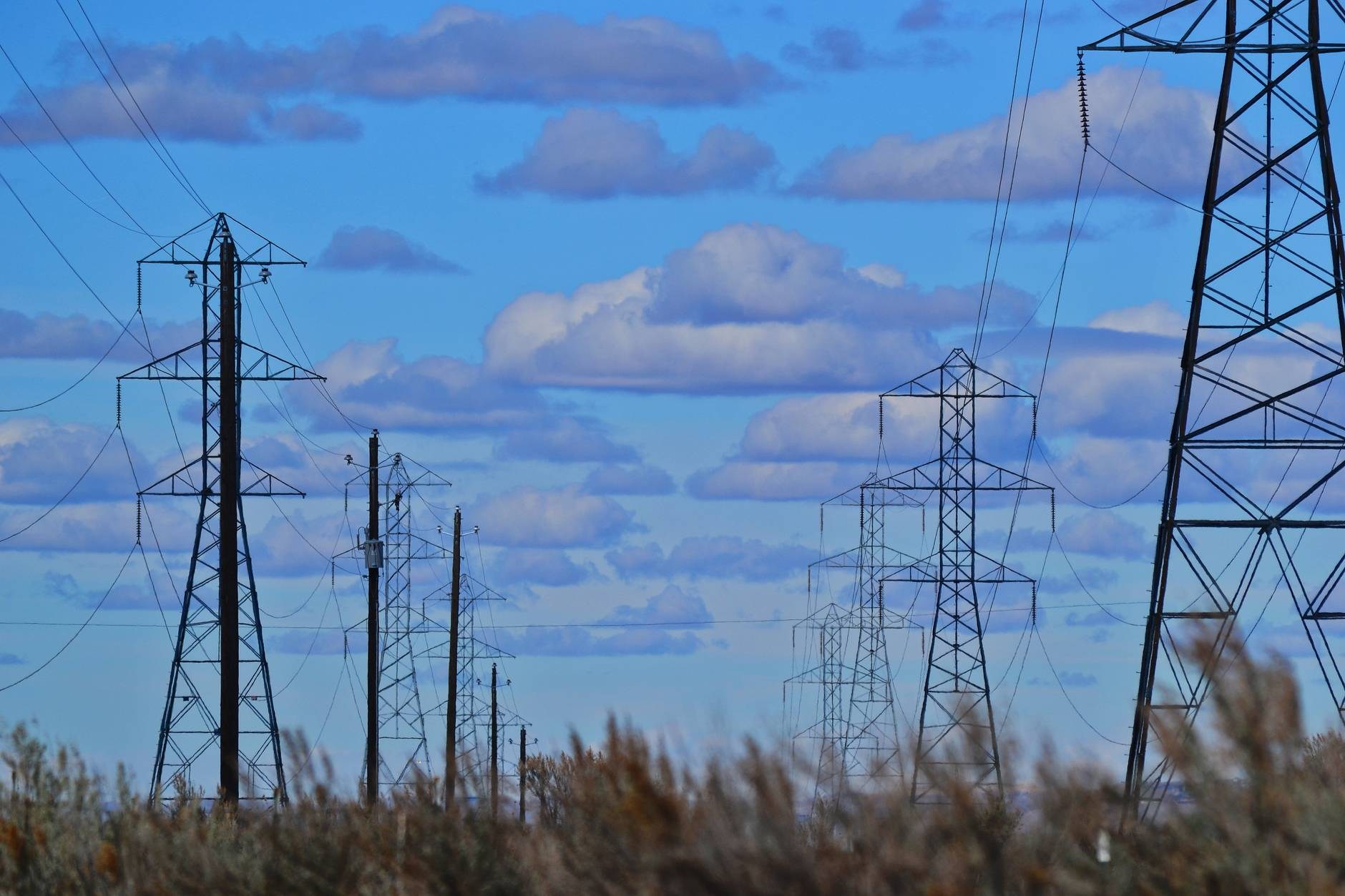
State-owned Power Grid Corporation of India Limited (PGCIL) has emerged as the successful bidder for a major inter-state transmission system (ISTS) project aimed at strengthening India’s power transmission network and supporting the evacuation of renewable energy from Rajasthan. The project is expected to play an important role in enabling the transmission of nearly 20 GW of renewable energy, helping the country move closer to its clean energy and decarbonization goals.
The successful bidder was announced by REC Power Development and Consultancy Limited (RECPDCL), which conducted the selection process through the Tariff-Based Competitive Bidding (TBCB) route. Following the completion of the bidding process, POWERGRID received the Letter of Intent (LoI) for the project on July 9, 2026, officially confirming its selection for the development of the transmission infrastructure.
The project, titled “Augmentation at Bhadla-III, Ramgarh PS and Kanpur (PG)”, will be implemented under the Build, Own, Operate and Transfer (BOOT) model. Under this framework, POWERGRID will be responsible for developing, owning, operating, and maintaining the transmission assets for the specified concession period before transferring them in accordance with the project terms.
The scope of the project primarily includes augmentation and bay extension works at important substations located in Rajasthan and Uttar Pradesh. These upgrades will be carried out at the Bhadla-III and Ramgarh substations in Rajasthan and the Kanpur substation in Uttar Pradesh. The planned infrastructure enhancements are intended to strengthen the existing transmission network, improve power transfer capability, and facilitate the evacuation of large volumes of renewable energy generated in Rajasthan.
POWERGRID also informed the National Stock Exchange of India Limited (NSE) and BSE Limited about the development through a regulatory filing made under Regulation 30 of the SEBI (Listing Obligations and Disclosure Requirements) Regulations, 2015. The disclosure ensures compliance with stock exchange requirements regarding material corporate developments.
The project is expected to significantly strengthen India’s green energy corridor by improving transmission infrastructure connecting renewable energy generation hubs with demand centres across the country. Rajasthan has emerged as one of India’s largest renewable energy-producing states, and enhanced transmission capacity is essential for integrating increasing volumes of solar and wind power into the national grid. Once completed, the project will improve grid reliability, support efficient power evacuation, and contribute to India’s long-term renewable energy expansion and energy transition objectives.