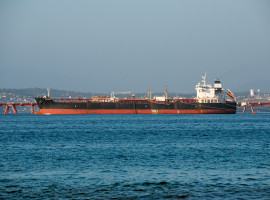
Asian refiners that had bet on a flood of crude supply from the Middle East in August are now faced with potential delays in deliveries amid the re-escalation of hostilities, which could thwart their plans to ramp up crude processing rates in the coming weeks, analysts have told Reuters.
At the end of June and early July, Asian refiners were optimistic that the tentative reopening of the Strait of Hormuz following the U.S.-Iran memorandum of understanding would bring steadily rising crude volumes from the Middle East.
With the collapse of the ceasefire, the expected ramp-up of fuel output in the third quarter could be delayed and may not materialize at all as traffic through the Strait of Hormuz stalled again to the lowest level since May, when only a handful of tankers moved through the chokepoint every day.
Adding to this, the threats from the Iran-aligned Houthis to block the Bab el-Mandeb Strait that would cut off Saudi Arabia’s Red Sea oil exports is also a major concern for refiners in Asia that were relying on Red Sea crude volumes in the past few months.
Set OilPrice.com as a preferred source in Google .
Refiners in the U.S. and Europe are operating at near capacity, but those in Asia may not see the expected increase in throughput now that the July and August loadings and delivery schedules have been upended by the re-escalation of the Middle East conflict.
Delays in the loadings this month and next could delay the ramp-up of fuel production in China, one Chinese refinery executive told Reuters.
Chinese refiners further slashed crude processing in June, with volumes crumbling to the pandemic lows of 2020 amid Strait of Hormuz supply disruptions and weakening domestic fuel demand.
But the rebound in crude throughput is not a given in view of the deteriorating situation in the Middle East.
By Charles Kennedy for Oilprice.com
More Top Reads From Oilprice.com
- Japan’s Power Prices Soar to 3.5-Year High
- Oil Jumps Nearly 4% as Houthis Threaten Red Sea Blockade
- Pakistan Scrambles for Oil Alternatives as Hormuz, Red Sea Risks Mount