By
21 min ago 2 min read
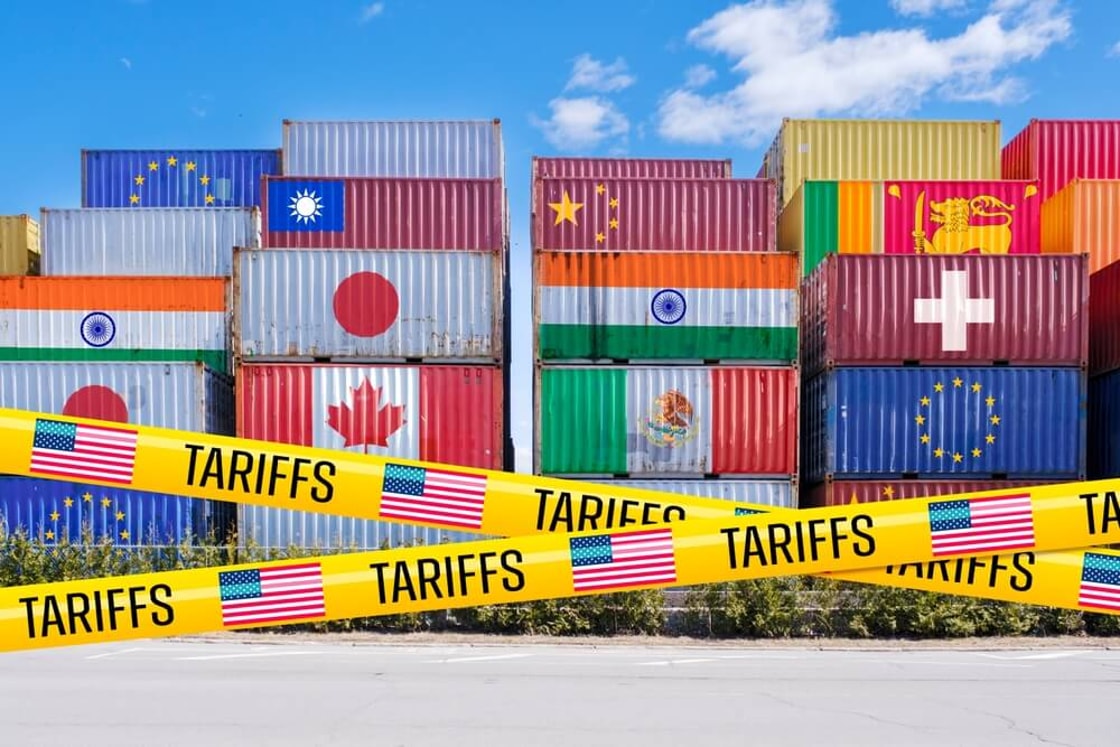
After a period of relative calm, the US has imposed an extensive range of new tariffs covering 60 trading partners.
The tariffs generally range from 10% to 12.5% on imports, replacing the temporary 10% global tariff that had been in place.
Crude oil, natural gas and LNG are among the products commonly exempted and some critical minerals and energy-related materials have also been exempted under various tariff programs to protect US supply chains.
However equipment used in the LNG value chain (for example, certain steel, aluminum, machinery, or industrial components) may still face separate tariffs under other trade authorities.
Last month the US expanded the category of industrial equipment currently subject to a 15% tariff to include mobile equipment such as bulldozers and forklifts. Foreign companies can qualify for a 10% duty rate if their capital equipment contains at least 85% US steel or aluminium by weight, down from 95% previously.
An EU statement said the US must bring its steel and aluminium derivative tariffs, currently as high as 50%, into line with the 15% ceiling, or face suspension of EU concessions.
US trade policy continues to target practices deemed unfair or threatening to national security, such as forced labour imports or subsidised foreign industries.
Section 301 tariffs target unfair foreign trade practices and Section 232 tariffs address imports that threaten US national security. Section 338 tariffs on Canada, which include 50% tariffs across a range of products, are due to start on 19 August.
Market volatility persists due to changing tariff schedules and legal disputes over refunds.