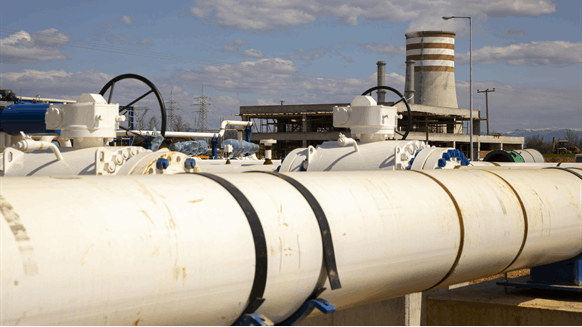
Over a dozen states and the District of Columbia have protested a proposed “rulemaking” by the Federal Energy Regulatory Commission (FERC) to broaden the kinds of gas pipeline projects that qualify for review exemptions.
Under the planned new regulations (Docket No. RM25-12-001), FERC wants to revise its blanket certification to, as per the official document, “expand the scope and scale of projects that interstate natural gas pipelines may construct without a case-specific authorization order and to increase the cost limits for such projects”.
In comments filed Monday as part of the rulemaking process, the attorneys-general of Arizona, California, Colorado, Connecticut, Illinois, Maine, Maryland, Massachusetts, Michigan, Minnesota, New York, Oregon, Vermont, Washington and the District of Columbia urged FERC to instead bolster public protections under the existing blanket certificate program.
The proposed changes do not fall within the “narrow” justification that formed the basis for the creation of the blanket certification in 1982, which is “to streamline review of genuinely routine and minor projects”, the chief state legal officers wrote to FERC.
“The proposed rule would expand the scope of projects that developers can undertake without meaningful scrutiny or adequate demonstration of the public need served by the project”, they said.
“The proposed rule would allow developers to undertake major investments without adequately assessing impacts to ratepayers, at a time when consumers in the identified states are already facing unaffordable energy costs”, they added. “The cost to build new natural gas infrastructure is passed on to end-use consumers in the form of higher gas transmission fees”.
“Increasing the scope of the blanket certification program would also subject communities and landowners to potential adverse environmental effects and safety hazards without adequate scrutiny”, they added.
“As proposed, the Commission’s rule would violate the Natural Gas Act, the Administrative Procedure Ac and the National Environmental Policy Act”, the attorneys-general said.
On the other hand, the states “strongly support the Commission’s proposal to retain its current regulations permitting any person to protest a prior notice application under a blanket certificate and to decline to restrict protest eligibility to those with a ‘substantial economic interest,’ Commission staff and affected landowners”, they said.
In reply to Rigzone’s comment request, a FERC spokesperson said the commission does not comment on pending matters. The Interstate Natural Gas Association of America (INGAA) and the American Petroleum Institute have yet to respond.
The proposal text noted, “The last major modification to the blanket certificate program occurred in 2006, when the Commission, among other things, increased the cost limits [of projects qualified for the fast-tracked process], made mainline facilities eligible for the blanket certificate program and expanded the environmental conditions and notice provisions”.
FERC said that after those changes, “it continued to apply the framework and principles expressed in the 1982 rulemaking to distinguish those types of activities that may be conducted under an interstate pipeline’s blanket certificate authority from those that merit closer, case-specific scrutiny due to their potentially significant impact on rates, services, safety, security, competing natural gas companies or their customers, or on the environment”.
FERC said it had found “good cause” when last year it granted in part a petition by INGAA to raise the cost limit from $41.1 million to $61.65 million if the project is put into operation by May 2027. FERC cited “pressing nationwide near-term demand for expanded natural gas transportation capacity, as well as the reliability concerns associated with maintaining the existing natural gas system”.
To contact the author, email jov.onsat@rigzone.com