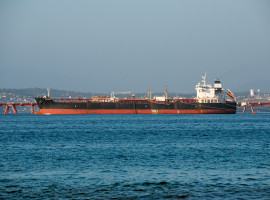
The UAE is still exporting liquefied natural gas, despite the threat of strikes in the Strait of Hormuz. According to a Bloomberg report, an ADNOC LNG tanker appeared in the Persian Gulf earlier today, successfully exiting the Strait of Hormuz, reportedly with its location devices turned off to avoid detection.
The publication noted that earlier this month, Iranian forces had attacked a Qatari LNG carrier, sapping appetite for risky moves among energy shippers. Bloomberg also said that ADNOC was loading another LNG carrier at its Das Island facility at the end of last week.
The developments highlight both the precarious situation that continues to plague Gulf oil and gas exporters and the strength of demand for their energy commodities. ADNOC has been especially active in liquefied gas, stepping in to boost its exports as neighbor Qatar had to declare force majeure on its Ras Laffan LNG hub.
Earlier this month, ADNOC Logistics and Services even placed a $900-million order for four newbuild LNG carriers to expand its fleet as Abu Dhabi’s national oil company seeks to seize the global rise in LNG demand.
The Abu Dhabi firm also has eight LNG carriers, with an investment of a total of $2.5 billion, currently under construction at Samsung Heavy Industries and Hanwha Ocean. These vessels are scheduled for delivery from 2028, and are all contracted on 20-year time charters to ADNOC Gas.
Meanwhile, LNG importers have tried to pressure Qatar and the UAE into asking for lower prices for their liquefied gas. Buyers of the commodity argue that the Persian Gulf has become a lot riskier than it was before the U.S. and Israel attacked Iran at the end of February, and this risk will be reflected in the price shippers pay for insurance. As a result, the sellers need to lower their prices, the logic goes.
By Irina Slav for Oilprice.com
More Top Reads From Oilprice.com
- Oil Prices Surge on Fresh Middle East Strikes and API Crude Draw
- Saudi Crude Tanker Goes Dark to Slip Through Bab el-Mandeb
- Hormuz Tanker Crossings Sink to Lowest Level Since May as War Risk Spikes