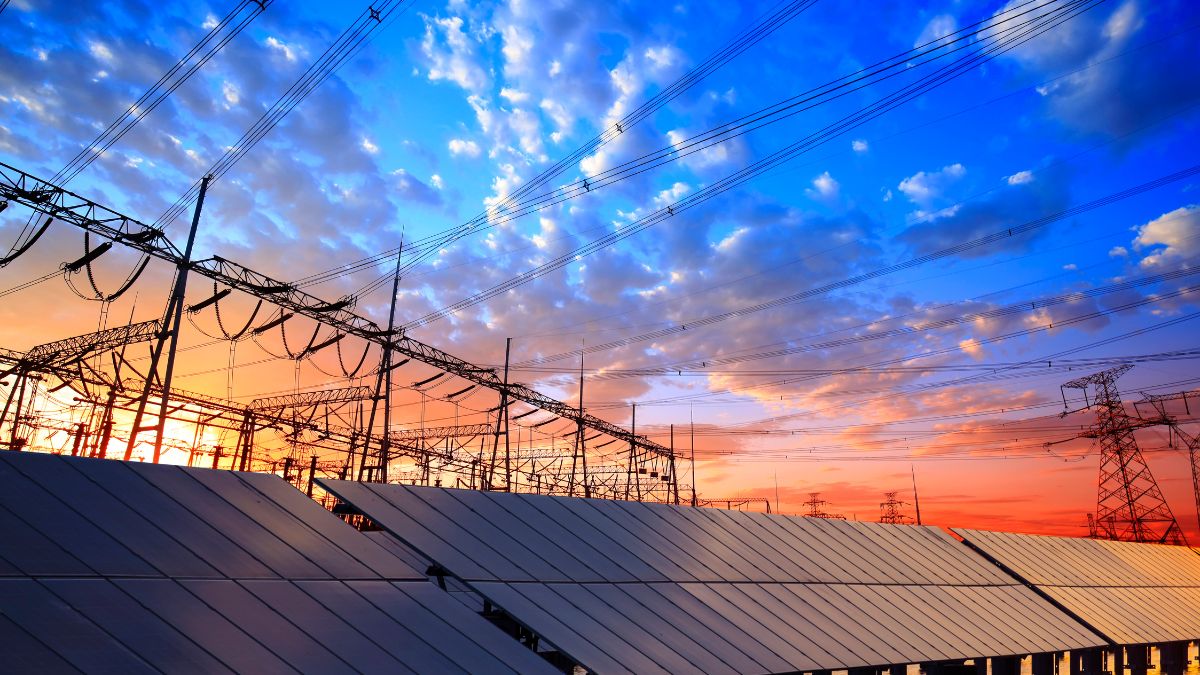
The Central Electricity Authority (CEA), under the Ministry of Power, Government of India, has proposed new technical requirements aimed at improving grid stability and reliability as the country increases its integration of renewable energy. The CEA has issued the Draft Central Electricity Authority (Technical Standards for Construction of Electric Plants and Electric Lines) 2nd Amendment Regulations, 2026, which were published in the Gazette of India on September 3, 2026.
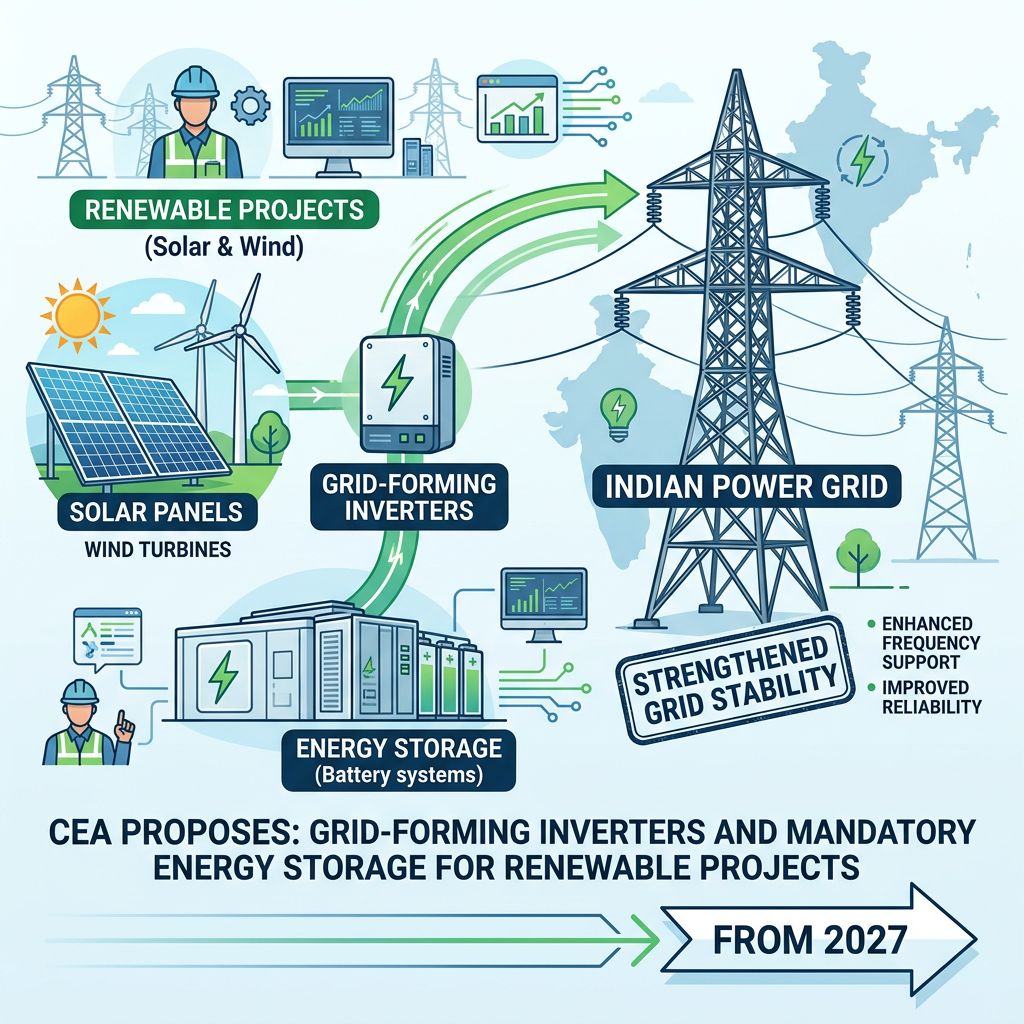
A major proposal in the draft regulation is the introduction of grid-forming capabilities for renewable energy projects. Under the proposed Regulation 106B (20), renewable energy power plants commissioned on or after July 1, 2027, would be required to have at least 15 percent of their inverters equipped with grid-forming control. This technology is designed to help power plants provide stronger support to the electricity grid, particularly as conventional generation is increasingly complemented by inverter-based renewable energy sources.
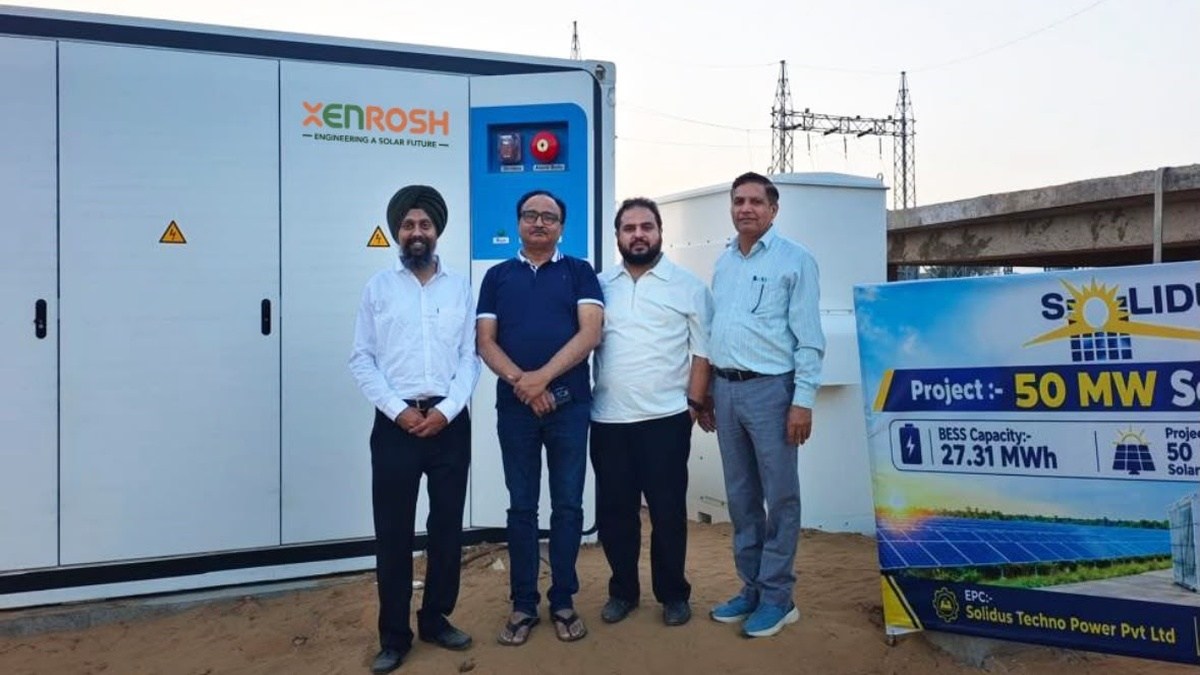
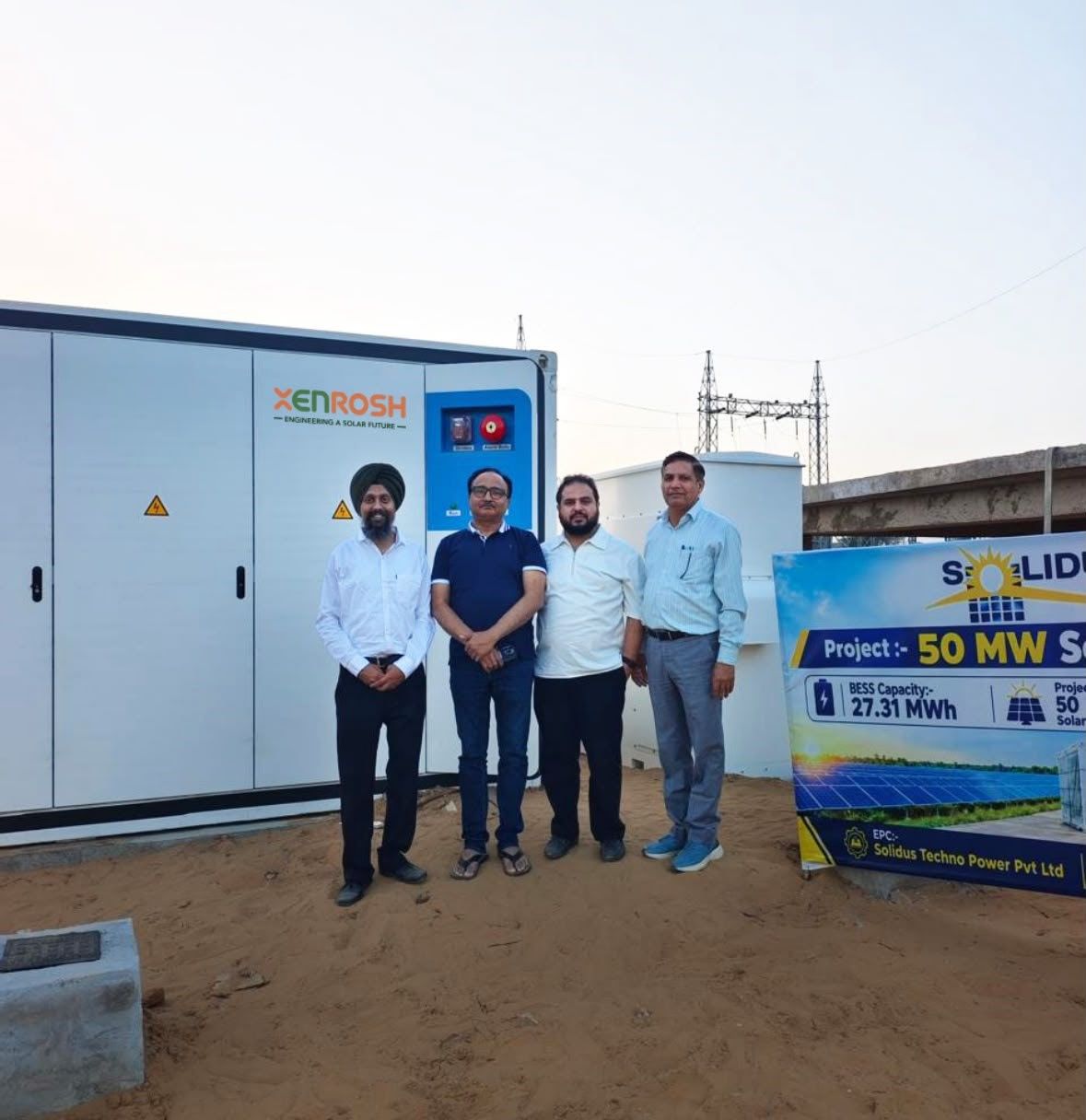
The draft also proposes mandatory grid-forming control for all Power Conversion Systems (PCS) used in Battery Energy Storage Systems (BESS). The requirement is intended to strengthen the ability of energy storage systems to support grid operations and maintain stability during changing power system conditions.
In addition to inverter and BESS requirements, the CEA has proposed mandatory co-located Energy Storage Systems (ESS) for certain renewable power projects. Ground-mounted solar power plants and on-shore wind power plants commissioned after July 1, 2027, would need to install an ESS equivalent to at least 10 percent of the plant’s installed capacity. The storage system would also need to provide a minimum duration of two hours.
For instance, a 100 MW solar power plant commissioned after the proposed effective date would be required to have at least 10 MW of co-located energy storage with a two-hour duration. This would provide a minimum storage capability of 20 MWh.
The draft proposes a further increase in the storage duration requirement for projects commissioned from July 1, 2029, to June 30, 2031. During this period, the minimum storage capacity would remain at 10 percent of the plant’s installed capacity, but the required storage duration would increase from two hours to four hours.
The proposed measures reflect the growing importance of energy storage and advanced inverter technologies in India’s renewable energy transition. As solar and wind generation increase, grid-forming systems and energy storage can help improve system flexibility, stability and the ability to manage variable renewable generation.
The CEA has invited comments, objections and suggestions from stakeholders and members of the public on the proposed amendments. Submissions can be sent by post to the Chief Engineer (Legal), Central Electricity Authority, Sewa Bhawan, R.K. Puram, New Delhi, or by email to celegal-cea@gov.in.
All comments and suggestions must reach the CEA by October 4, 2026. The feedback will be considered before the proposed regulations are taken up for finalization.
Subscribe to get the latest posts sent to your email.