By
22 hours ago 3 min read
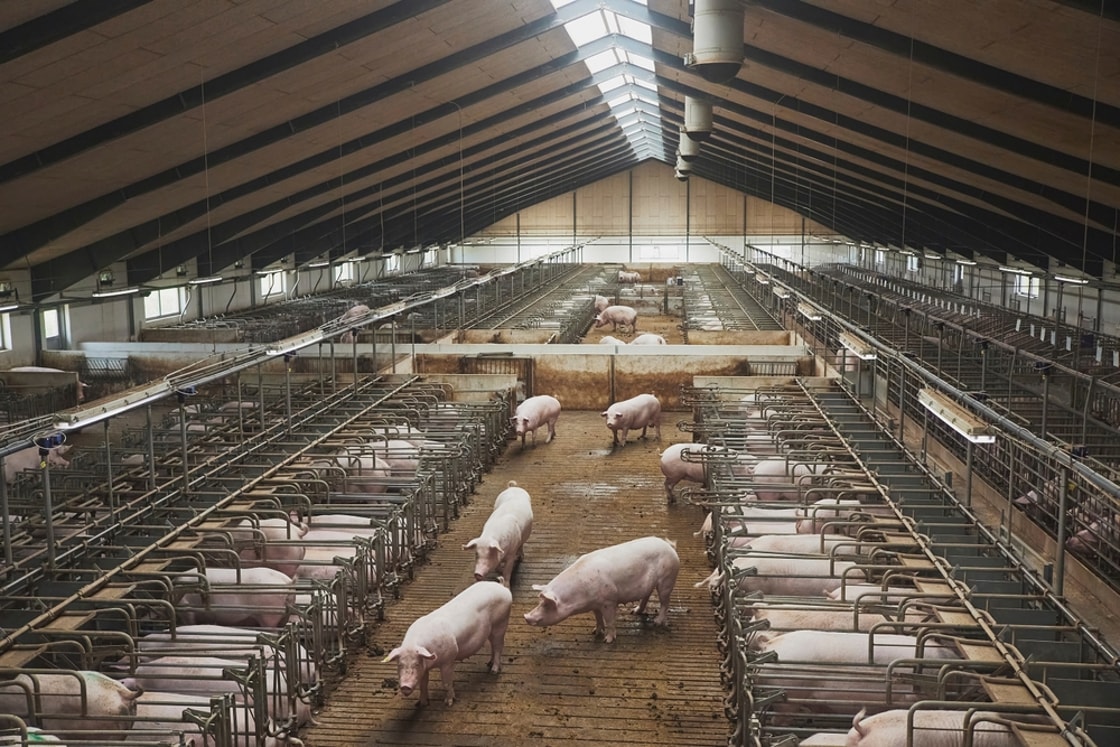
The UK government has proposed phasing out the use of carbon dioxide (CO2) to stun pigs before slaughter, citing animal welfare concerns and proposing alternatives including argon gas and automated electrical stunning.
High-concentration CO2 is widely used in British slaughterhouses, but an independent expert assessment found that the method causes pigs pain, respiratory distress and fear before they lose consciousness.
“We are a nation of animal lovers – pigs are intelligent animals that deserve to be treated with care and respect throughout their lives, including at slaughter,” said Farming Minister Stephen Morgan.
The proposals follow an assessment by the government’s Animal Welfare Committee (AWC), which recommended prohibiting high-concentration CO2 stunning.
“It was the clear view of the AWC that the continued use of high concentration CO2 when more humane, legally permitted alternatives are available is ethically unacceptable,” said committee chair Madeleine Campbell.
CO2 dissolves in the moist membranes of pigs’ eyes, noses and respiratory tracts, forming carbonic acid that activates pain receptors. It also triggers a strong respiratory response, causing hyperventilation, gasping and air hunger.
Pigs may vocalise and attempt to escape before losing consciousness, according to animal welfare organisation the RSPCA.
Around 90% of pigs reared in England and Wales are stunned using high-concentration CO2, according to the Food Standards Agency’s 2024 Slaughter Sector Survey.
The Department for Environment, Food & Rural Affairs (Defra) has proposed argon stunning and automated electrical systems as alternatives.
Industry warns of costs and supply risks
Argon is considered less aversive to pigs than CO2, while correctly applied electrical stunning can induce unconsciousness almost instantaneously.
However, switching methods presents challenges, including the cost of new equipment, potential changes to processing speeds and the need to restrain pigs individually when using electrical systems.
The Agriculture and Horticulture Development Board (AHDB) has highlighted the potential costs. Its modelling of a representative high-throughput pig processing plant estimated stunning and slaughter costs of £0.42 ($0.56) per pig using CO2, compared with £1.49 ($1.99) using argon with additional capacity and £1.11 ($1.48) using electrical stunning.
The British Meat Processors Association (BMPA) said there was no proven, commercially viable alternative capable of maintaining the throughput required by UK pig processors and meeting consumer demand.
“Without a viable alternative to CO2, we risk reducing domestic processing capacity, undermining British pig farming and becoming more reliant on imported pork from countries that continue to use CO2 as a tried and tested method of stunning,” said John Powell, Chief Executive of the BMPA.
The association also challenged the suggestion that CO2 supply concerns justified the proposed phase-out, saying supplies to the sector had not been disrupted despite modest price increases linked to the conflict in Iran. It added that CO2 represented a relatively small proportion of food production costs.
The supply debate comes amid wider concerns about the resilience of industrial gas supply chains, while a shift to argon would require processors to assess the availability, cost and logistics of securing sufficient volumes of the alternative gas.
The BMPA called for further research into the welfare, economic and practical implications of the proposals before a decision is made, alongside a realistic transition period if a commercially viable alternative is identified.
Defra said it had been working with processors, equipment manufacturers, gas suppliers and animal welfare groups since April 2024 to assess the practicalities of a transition.
A consultation on costs, feasibility and timescales runs until 21 December, with the AWC recommending a transition period of no more than five years.