Samsung Electronics has started up a system to recover and recycle waste neon gas at its Pyeongtaek Plant 4 in South Korea, according to Seoul Economic Daily.
The recycling equipment was developed with domestic specialty gas supplier TEMC and installed in the sub-fab, the support space beneath the clean room where chips are produced.
Waste gas from the manufacturing process is collected in a three-tank system and sent to TEMC, which refines it to high purity and supplies it back to Samsung. The system was commercialised last month after three to four years of verification testing.
By refining exhaust gas for reuse, Samsung says it can recycle 80% of its total neon consumption. Neon is a rare gas used to keep deep ultraviolet lasers operating stably during lithography, the step that etches fine circuits onto silicon wafers.
Industry sources told the news outlet that recovering and refining waste gas is cheaper than buying new neon, and that recycling also reduces the cost burden if prices spike.
Samsung developed the technology in response to unstable rare gas supplies stemming from geopolitical risk. When Russia’s invasion of Ukraine disrupted the neon supply chain in 2022, the company moved to diversify its sourcing and secure recycling technology.

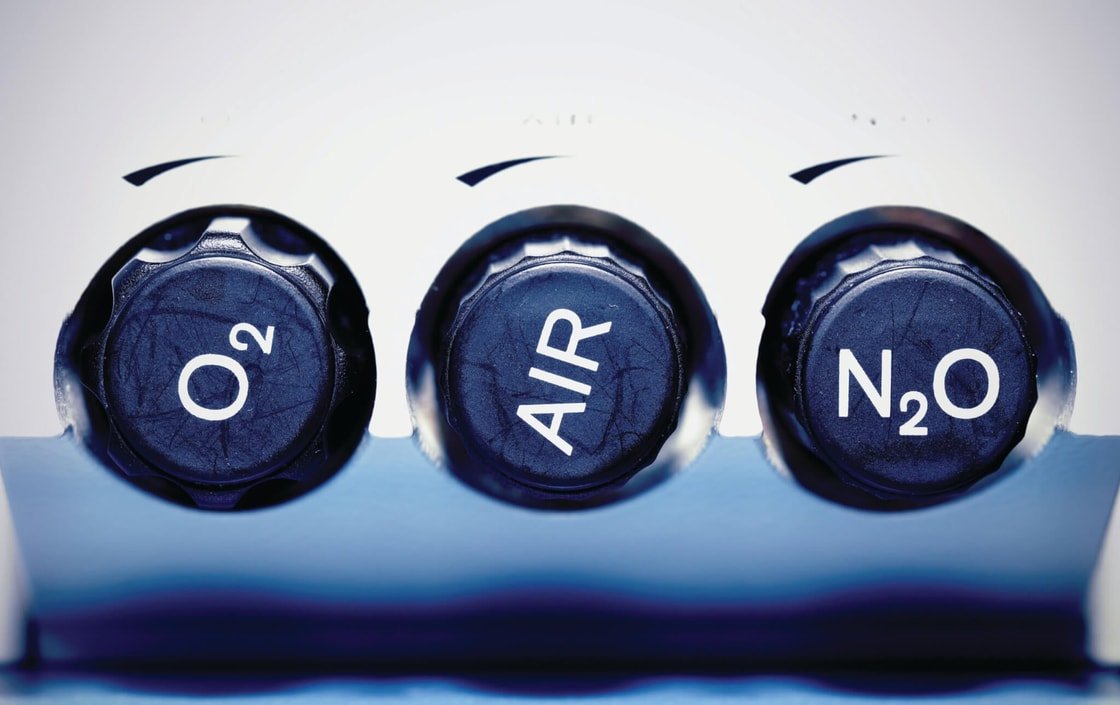
Rare gases are used in precision etching for semiconductor production ©Shutterstock
Samsung plans to extend the system to other lines, including Pyeongtaek Plant 5 now under construction, the planned Yongin and Honam chip clusters, and existing plants in Hwaseong and Pyeongtaek.
Because the equipment connects to the waste discharge paths of chip manufacturing tools, it can also be retrofitted to lines already in operation. The move supports Samsung’s target of raising the waste recycling rate at its domestic chip sites to 99.9% by 2030.
The company also began recycling helium on some production lines last year and expects to cut annual helium use by 4.7 tonnes.
Market context
The neon market is not currently in shortage, gasworld reported in , with supply stable and diversification efforts improving resilience since 2022.
Even so, sentiment tracking showed overall concern around specialty gas supply chains rising from 24% in January to 34% in April, despite disruption being largely concentrated in helium amid the conflict in the Middle East.
Neon nevertheless shares some of helium’s structural supply vulnerabilities. It is recovered as a by-product of large air separation units, particularly those supplying the steel industry, and requires dedicated high-purity processing capacity.
This leaves supply exposed to disruptions at a relatively concentrated number of production and purification facilities.