SEE Holding, the sustainability-focused developer behind the globally acclaimed “The Sustainable City” model, has officially unveiled the next phase of its urban innovation at the Annual Investment Meeting (AIM) Congress 2025. Dubbed The Sustainable City 2.0 (TSC 2.0), the groundbreaking concept marks a leap into the future of urban living, introducing a smart, net-zero, and human-centric city powered by artificial intelligence.
The new model was presented through an immersive and interactive showcase at AIM Congress, being held in Abu Dhabi from April 7 to 9. The exhibit offers attendees a hands-on experience of SEE Holding’s futuristic approach to sustainable development.
Ten years after the launch of The Sustainable City in Dubai—a model that has achieved international recognition for its environmental and economic impact—SEE Holding is pushing boundaries once again with TSC 2.0. The upgraded model incorporates AI and data-driven systems into every facet of city life, creating a living environment that can adapt, evolve, and prioritize residents’ well-being in real time.
“This is not a vision of the distant future. It is a model we are building today, driven by AI, achieving Net Zero, and designed around people,” said Faris Saeed, Chairman and CEO of SEE Holding. “The Sustainable City 2.0 is the culmination of everything we’ve learned—enhanced by intelligent systems and guided by a clear purpose: to ensure people remain at the center of progress in a rapidly evolving world.”
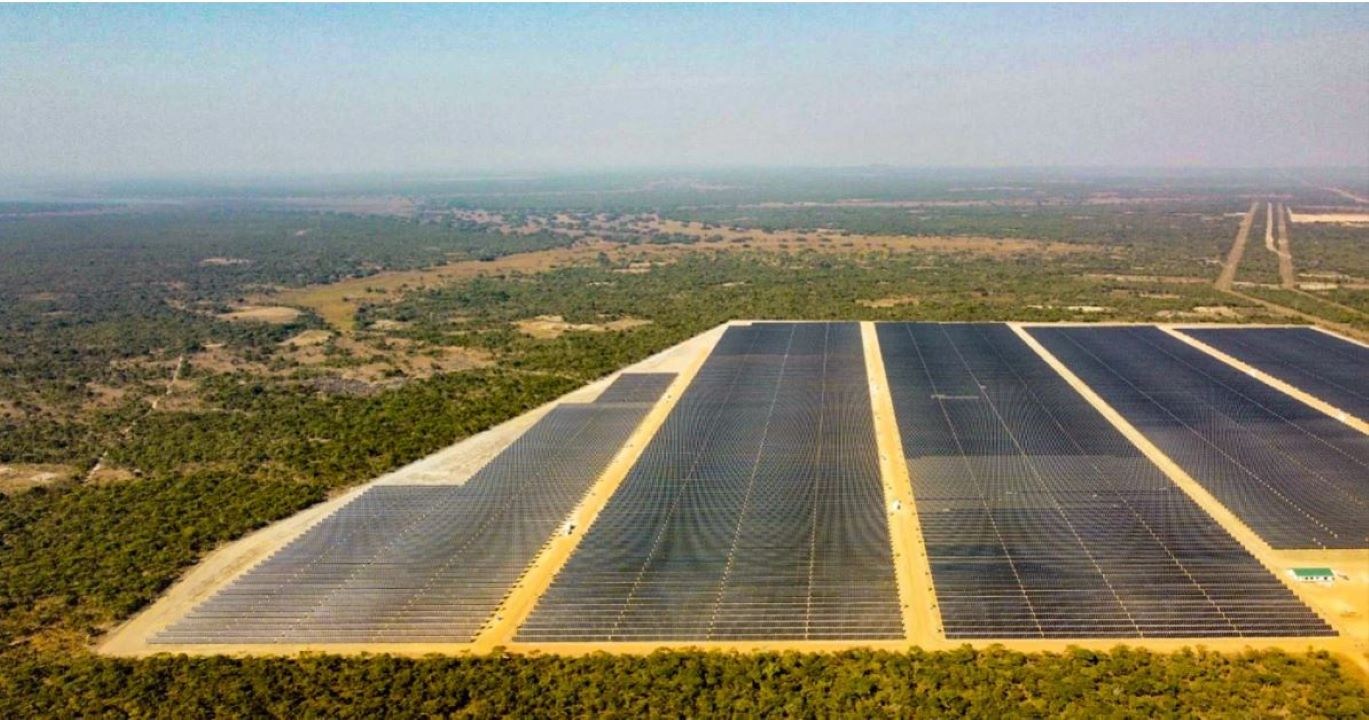
TSC 2.0 is designed as a self-sustaining ecosystem powered by clean energy sources, including solar, biogas, wind, and micro-hydrokinetic systems. Intelligent energy grids manage supply and demand in real time, helping the city maintain its net-zero emission goals.
Food security is addressed through vertical farming and precision agriculture, using automated, real-time monitoring systems to optimize yield while minimizing resource consumption. Water conservation technologies are embedded citywide—capturing and reusing water, detecting leaks instantly, and even generating water from air.
The model also introduces a closed-loop waste management system, where all waste is repurposed, recycled, or converted into energy. Passive and active architectural strategies, along with micro wind turbines and evaporative cooling systems, maintain a cooler urban microclimate.
Mobility in TSC 2.0 is fully electric and autonomous, including shared e-bikes, electric vehicles, self-driving shuttles, and drone-based last-mile delivery systems. Each home is designed to support contactless delivery, integrating drone pads and smart delivery lockers.
Despite its advanced technological framework, TSC 2.0 emphasizes quality of life. The city offers pedestrian-friendly neighborhoods immersed in nature, motion-activated running tracks, solar-heated pools, energy-efficient gyms, and wellness infrastructure. Education and healthcare are also future-focused, with immersive classrooms, “future labs,” and digital monitoring systems for proactive health management.
SEE Holding’s original model—The Sustainable City in Dubai—has demonstrated real-world success, achieving a 78% reduction in carbon emissions and diverting 89% of waste from landfills. The development has been widely celebrated as the “happiest community in the GCC” and has inspired similar projects in Sharjah, Yas Island (Abu Dhabi), and Yiti (Oman).
With the introduction of TSC 2.0 at AIM Congress 2025, SEE Holding is positioning itself at the forefront of the next generation of urban development. The model aims to influence regional and global city planning, offering a replicable blueprint for sustainable, tech-integrated living.
Attendees of AIM Congress have until April 9 to explore the full experience of TSC 2.0, which stands as a testament to SEE Holding’s vision for a cleaner, smarter, and more human-centric urban future.