


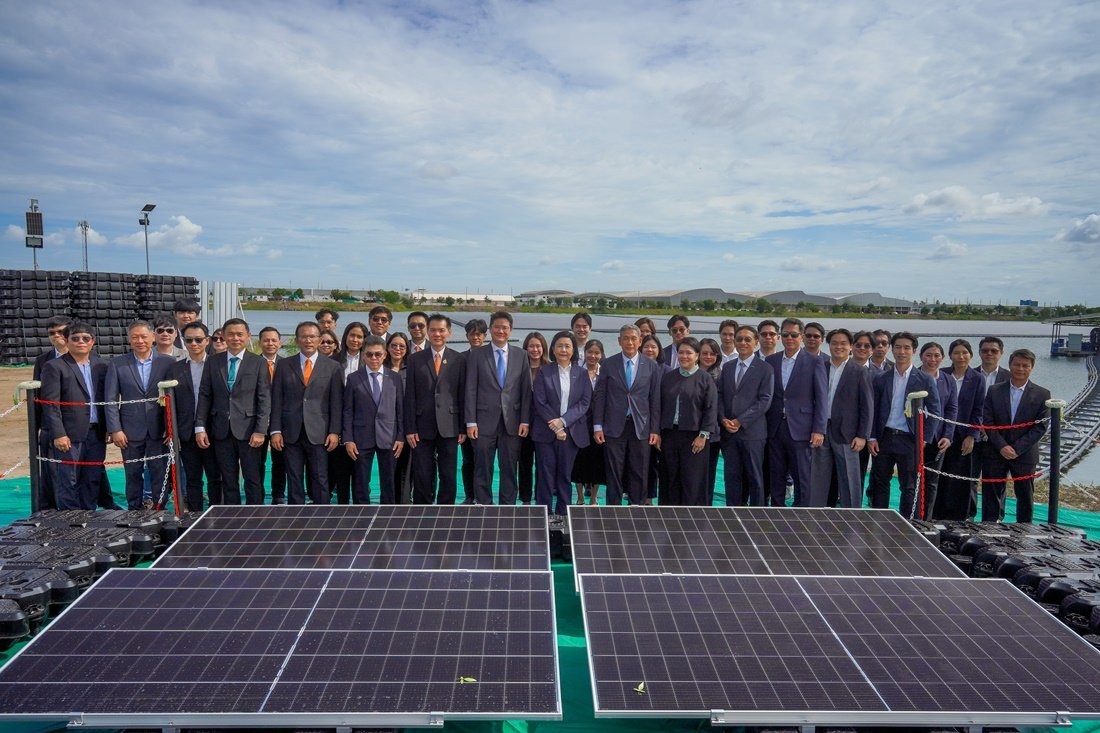
Africa University has successfully transitioned to solar power, marking a significant milestone in its commitment to sustainability and uninterrupted electricity supply. Located in Zimbabwe, the United Methodist institution has installed a 250-kilowatt solar power plant consisting of 576 solar panels, generating enough electricity to power approximately 600 households. The project supports the university’s strategic objectives for 2025, ensuring that the campus remains operational even amidst the country’s frequent power shortages, where some areas receive only six hours of electricity daily.
Vice Chancellor Peter M. Mageto highlighted the importance of the project, stating that the university now benefits from an “abundance of energy from a source which never runs out.” He added that the construction of the solar plant reflects Africa University’s commitment not only to renewable energy but also to the future of its community. The first phase of the project currently supplies uninterrupted power to dormitories, farm offices, the canteen, Laurie Haller Ubuntu Retreat Center, Kwang Lim Chapel, the administration block, the clinic, and the agriculture and engineering colleges. Future phases will extend coverage to the university’s properties in Mutare city and its farm.
To safeguard the solar infrastructure, the university has implemented robust security measures, including a 480-meter clear-view fence, CCTV installation, and restricted access to authorized personnel. The project also contributes to the national goal of expanding energy access by freeing up capacity on the power grid, which can benefit underserved and off-grid communities.
Africa University’s solar initiative is the first of its kind in the Manicaland province and among higher education institutions in Zimbabwe. The $400,000 project was fully funded by Africa University Tennessee Inc. through undesignated endowment funds. Before the solar plant, the university’s electricity bills from the national power supplier averaged $20,000 per month, totaling around $216,000 to $240,000 annually. With the new system, the institution expects to save about $240,000 each year. Additionally, fuel-powered generators, which cost around $600 daily to operate, have been switched off, further improving operational sustainability.
Professor Talon Garikayi, deputy vice chancellor and engineer overseeing the project, emphasized the financial and operational benefits, while James H. Salley, president and CEO of Africa University Tennessee Inc., celebrated the completion of the project in a record 26 days. Salley noted that the initiative serves as a model for sustainable innovation not only within Zimbabwe but across southern Africa and the continent.
The project has also been praised for its broader impact on education and the youth. Former student council president Pierre Kahambwe Lubangi highlighted that the solar plant addresses one of the major barriers facing African youth: access to stable electricity. He described the project as a “promise” that illuminates the path toward a better future.
Government representatives and alumni have also lauded the university for its pioneering efforts. Misheck Mugadza, Manicaland Minister of State for Provincial Affairs and an alumnus, described Africa University as a beacon in the province, aligning with national priorities of green technology, climate resilience, and sustainable development.
With this landmark installation, Africa University has strengthened its position as a leader in renewable energy and environmental sustainability, showcasing that self-funded, large-scale green initiatives are possible and setting an example for other institutions across Africa. The solar plant ensures reliable power, reduces costs, and highlights the university’s commitment to a sustainable and bright future.










)
