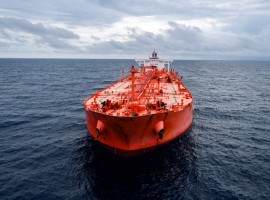
Alberta is more likely to propose a “general corridor” rather than a specific route for the new 1 million-barrels-per-day oil pipeline to the British Columbia coast that’s expected to receive federal government approval as a project of national interest.
Canada’s oil heartland, Alberta, has been seeking to advance the new pipeline for months, but it doesn’t have a firm route hashed out yet, because it needs talks and consultations with indigenous communities and British Columbia’s provincial authorities.
Alberta considers proposing a “general corridor” to the northwestern coast near Prince Rupert, Alberta’s Minister of Indigenous Relations, Rajan Sawhney, told Bloomberg on the sidelines of an energy conference in Calgary.
The exact route of the so-called West Coast Oil Pipeline will be determined after consultations with indigenous communities, the minister added.
Alberta targets to submit by July the project to the federal Major Projects Office for designation as a project of national interest, and will pursue such designation by October 1, 2026.
Last month, the project made progress after the federal government and Alberta reached a carbon pricing deal that could finally move the West Coast oil pipeline from perpetual Canadian debate into actual construction.
Even if it’s supported by the federal government, the new pipeline faces stiff opposition from environmental campaigners and BC communities.
It took a major geopolitical and trade shift from Canada’s long-term ally and top trade partner, the United States, to have the federal government of Canada support a new oil pipeline from Alberta to the Canadian West Coast.
Canada seeks to diversify its trade and economic relations in the face of tariffs from the Trump Administration and continued threats of additional tariffs that have soured the relations between the two closest allies and trade partners in North America.
Mark Carney’s government wants to make Canada an energy superpower. This includes moving more of Alberta’s crude out of the country on tankers to Asia. Increased seaborne shipments to the world’s most important oil-consuming region is also a way for Canada to diversify its oil export markets, dominated by the U.S., with over 95% of all Canadian oil exports.
By Tsvetana Paraskova for Oilprice.com
More Top Reads From Oilprice.com
- Oil Prices Jump After U.S. Strikes Iran Over Downed Apache
- US Crude Oil, Gasoline Inventories Keep Sinking, but Prices Don’t Care
- EU Says No Jet Fuel Shortage Coming Despite Middle East Supply Loss