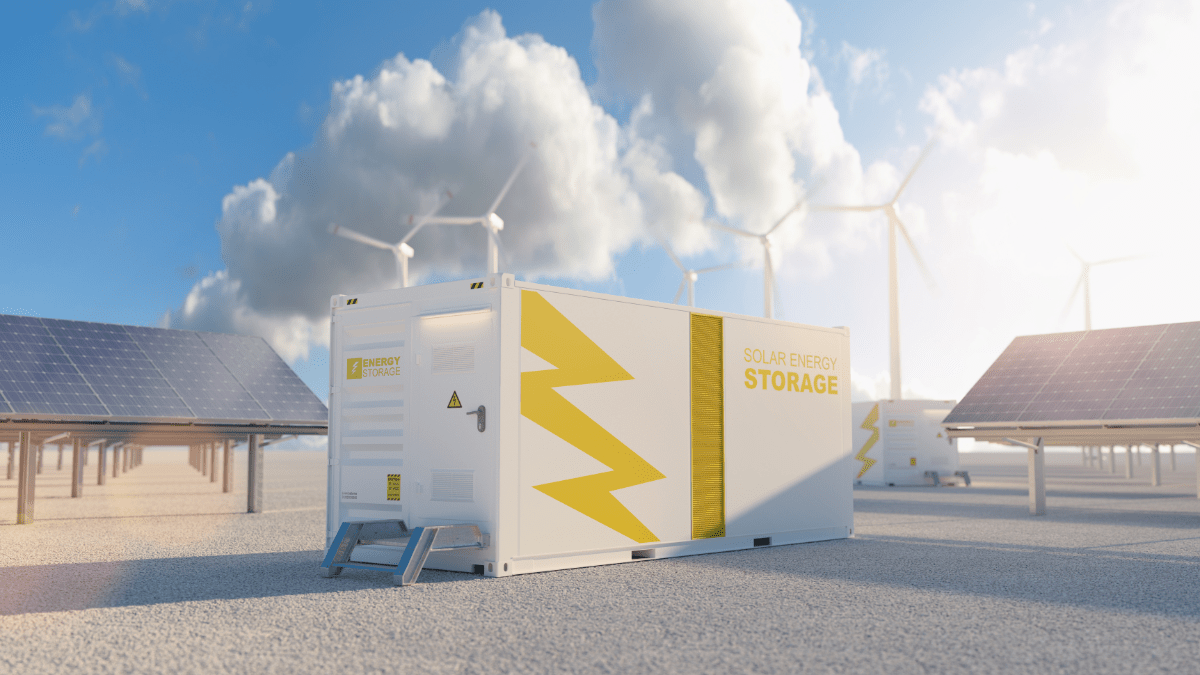
India’s power market is undergoing a significant transformation, and battery energy storage systems (BESS) are emerging as an important part of this shift, in the new by Ember. The country’s power exchanges have been experiencing sharp price swings, with rates crashing during solar-heavy hours and rising during the evenings. This volatility creates both challenges and opportunities, especially for BESS, which can charge during low-cost periods and discharge when prices peak. These systems are proving valuable not just for making profits through arbitrage but also for helping maintain grid stability.
In 2024, for the first time, the potential revenue from battery participation in the Day Ahead Market (DAM) exceeded the annualized cost of installing and operating the batteries. Prices in the DAM touched INR 9/kWh or more in about one out of every six hours. The decline in battery costs, which dropped by 80% since 2015, has made the technology more affordable. With levelized storage costs estimated at INR 1.7 million per MWh for a 2-hour BESS, and potential revenue from the DAM reaching INR 2.4 million per MWh in 2024, merchant BESS has become financially viable.
Batteries not only address market price volatility but also serve critical roles in grid operations. They can deliver essential ancillary services, such as balancing supply and demand quickly and maintaining grid frequency. These capabilities are especially useful in a grid that increasingly relies on variable renewable energy sources like solar and wind. In fact, merchant BESS projects installed in 2024 are expected to deliver an internal rate of return (IRR) of up to 24%, thanks to a combination of arbitrage earnings and payments for providing grid services.
The ability of BESS to participate in India’s ancillary services market, including the Secondary Reserve Ancillary Services (SRAS) and Tertiary Reserve Ancillary Services (TRAS), opens new revenue streams. For example, in SRAS-Down, batteries can be paid to charge, effectively turning a cost into an income. A BESS that charges as per instruction with high accuracy can even earn a performance bonus. This “value stacking” enhances overall returns, making battery projects more attractive for investors.
Shorter-duration BESS, such as 1-2 hour systems, currently offer better returns compared to 4-hour systems. This is because they can quickly take advantage of sharp and short-lived price spikes. Also, even under varying conditions like round-trip efficiency, depth of discharge, and capital costs, the IRR remains within a healthy range of 15.5% to 18%.
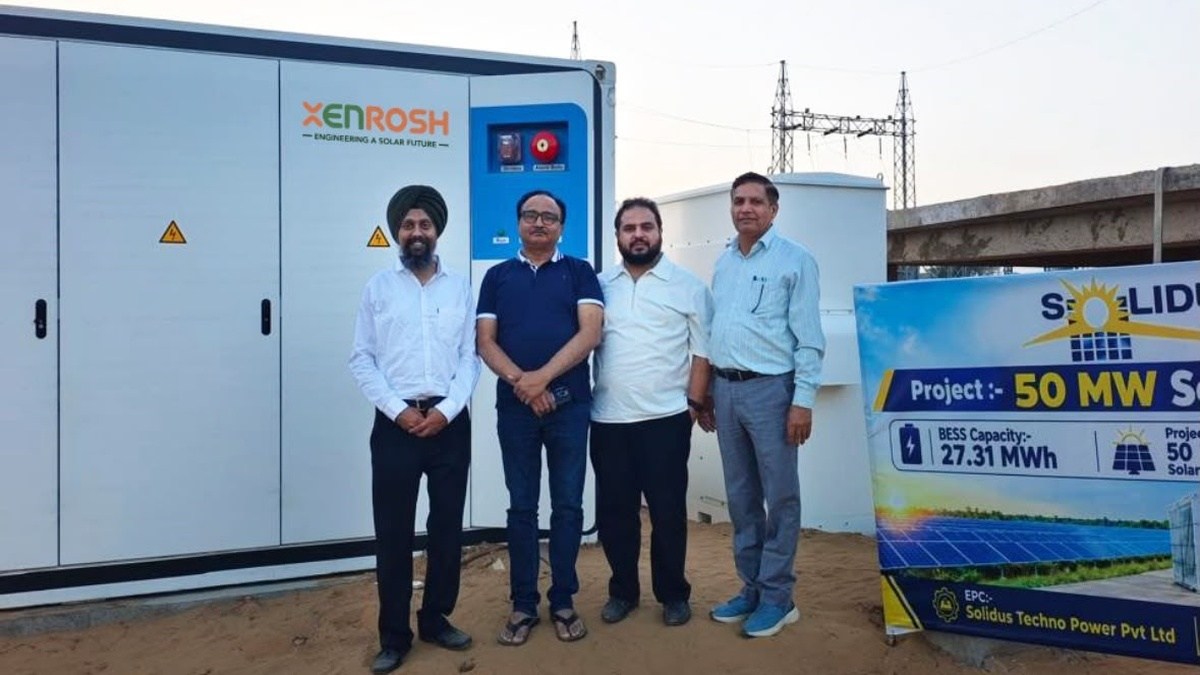
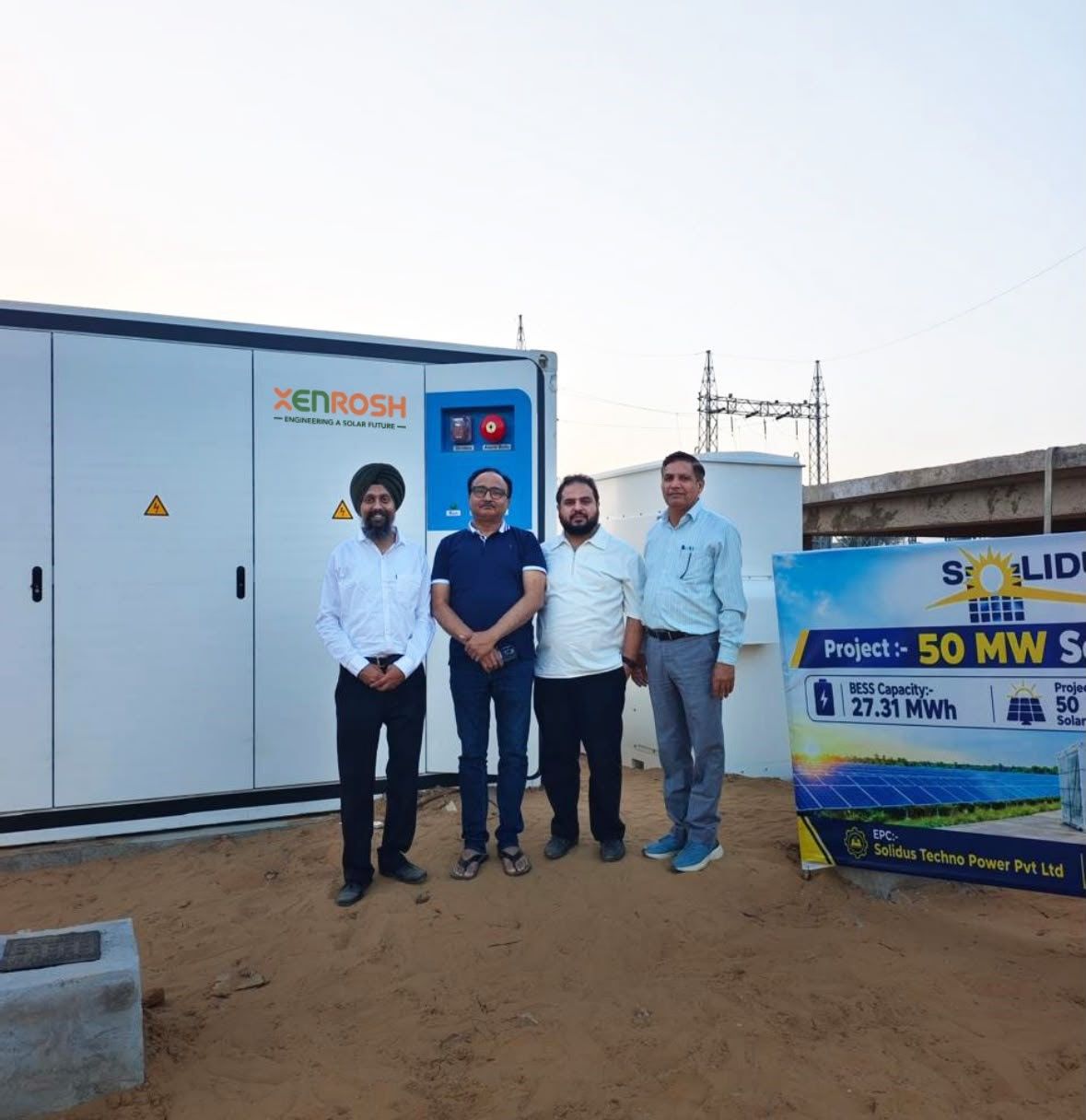
By June 2025, India had installed 500 MWh of operational BESS and had a development pipeline of 121 GWh. The 14th National Electricity Plan projects a requirement of 236 GWh of BESS by 2032 to support the growing share of renewables. With 168 GW of solar and wind capacity already installed and 145 GW in the pipeline, integrating battery storage becomes essential for firming up the power supply and ensuring the reliability of the grid.
Price volatility also poses a challenge for both buyers and sellers in the electricity market. Merchant solar generators are seeing declining revenue due to midday price crashes, resulting in lower capture rates—down from 93% in 2019 to 70% in 2024. Similarly, distribution companies may face higher costs during peak demand if they are forced to buy power at elevated prices. Batteries can help balance these conditions by reducing market volatility over time.
Grid stability is another growing concern. With more renewables and less flexibility from coal-based plants, the system is often left without sufficient reserve capacity during critical hours. Batteries, with their fast response times, can fill this gap. In cases of mid-day oversupply, BESS can absorb the excess electricity, reducing the need to curtail renewable generation, which otherwise would have to be compensated at higher costs.
Ultimately, merchant BESS in India is no longer just a theoretical solution—it is a practical, profitable, and essential component of the modern grid. With the right policy support, market design, and incentive structures, battery storage can play a central role in India’s transition to a cleaner, more stable, and economically viable power system.
Subscribe to get the latest posts sent to your email.