By
57 min ago 2 min read
A California court has ruled that approval of the state’s first operational carbon capture and storage (CCS) project violated the state’s bedrock environmental law, after opposition from environmental groups.
The Superior Court ordered Kern County to withdraw certification of the Carbon TerraVault I project’s environmental impact report, set aside its approval, and refrain from further authorising implementation until a “legally adequate” assessment is completed.
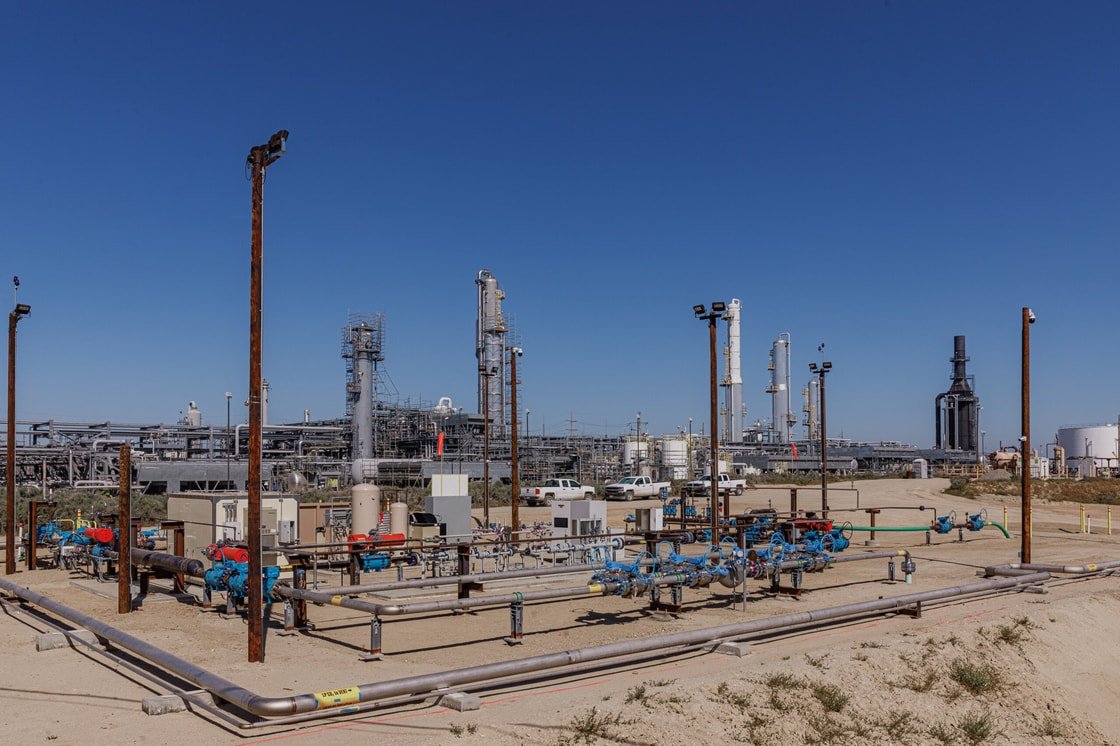
Developed by California Resources Corporation (CRC), the project began storing carbon dioxide (CO2) from CRC’s own cryogenic gas plant in the Elk Hills Oil Field and was designed to inject up to 1.46 million tonnes per annum (mtpa) of CO2.
The ruling under the Environmental Quality Act (CEQA) found that the environmental assessment failed to adequately consider the project’s wider scope, including the impact of sourcing additional CO2 from other industries.
The Center for Biological Diversity, one of the groups challenging the approval, said the ruling would require CRC to halt all project operations until it complies with environmental law.
In its latest regulatory filing, said the ruling was not yet final, and that its impact on existing operations remained uncertain.
The company said it intended to “aggressively pursue legal actions” to protect the project, but did not expect the ruling to materially affect its financial position or operating results.
The court noted that TerraVault I’s two underground reservoirs had four and seven times the capacity required for CO2 captured from the original source, respectively.
It found that the environmental review failed to adequately assess the foreseeable impacts of securing additional CO2 from eight industrial sectors, including hydrogen production, cement, steel and biomass carbon removal.
The court also identified shortcomings in the assessment of potential CO2 leakage, greenhouse gas emissions, air quality mitigation, and the cumulative impact of other CCS developments.
However, it upheld the county’s analysis of induced seismicity and CO2 pipeline safety risks.
It comes as CRC seeks to expand its carbon management business beyond its own operations.
On Monday (2 November), its Carbon TerraVault subsidiary announced that it had submitted another Class VI permit application covering around 57 million tonnes of CO2 storage capacity, bringing its total submitted permit volumes to around 409 million tonnes.