Europe’s effort to rebuild natural gas inventories before winter suffered another setback on Wednesday after Equinor CEO Anders Opedal warned the region may struggle to reach its 80% storage target, highlighting intensifying competition for global LNG supplies.
Speaking after Equinor’s second-quarter earnings release, Opedal said Europe may not succeed in filling its gas storage facilities to 80% before winter.
“We do not think Europe will necessarily reach 80% storage before winter,” Opedal said.
European gas storage sites are currently around 54% full—well below the seasonal average and the second-lowest level for this time of year in the past 15 years. The slower-than-normal refill pace leaves the region increasingly exposed as it heads toward the peak winter demand season.
Europe Is Losing Ground in the LNG Race
Europe entered the summer refill season hoping to rebuild inventories after a difficult winter, but injections have progressed more slowly than expected.
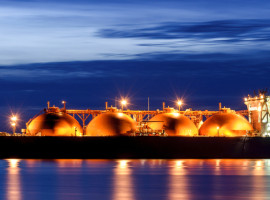
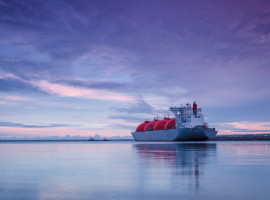
At the same time, Asian demand for liquefied natural gas (LNG) has strengthened, intensifying competition for flexible cargoes. With buyers in Asia once again willing to pay a premium, Europe faces a tougher battle to secure the supplies needed to replenish storage before colder weather arrives.
Unlike pipeline gas, LNG cargoes can be redirected quickly in response to market pricing. That leaves Europe increasingly dependent on remaining one of the world’s most attractive destinations for global LNG suppliers.
Storage Levels Leave Less Room for Error
Lower inventories leave Europe more vulnerable to prolonged cold weather, production outages, infrastructure disruptions and delays in LNG deliveries.
Even relatively modest supply interruptions can trigger significant price volatility when storage levels are below normal. Should Europe ultimately reach its storage objective, it may do so only by paying higher prices to attract additional LNG cargoes during the final months of the refill season.
Norway’s Strategic Role Continues to Expand
The latest warning further reinforces Norway’s importance to European energy security.
Since Russia’s pipeline gas exports to Europe collapsed following the invasion of Ukraine, Norway has become the continent’s largest external supplier of pipeline gas. Equinor sits at the centre of that supply chain, delivering a substantial share of Europe’s daily natural gas demand from the Norwegian Continental Shelf.
Related: Kazakhstan Suspends Major Oil Exports as Black Sea Risks Escalate
However, even strong Norwegian production cannot fully offset a tightening global LNG market if Asian demand continues to strengthen. Europe will remain heavily dependent on attracting flexible LNG cargoes to balance winter demand.
Oil Markets May Be Missing the Bigger Story
Much of the market’s recent attention has focused on recovering oil flows through the Strait of Hormuz following weeks of geopolitical tensions.
The gas market, however, paints a different picture.
Europe’s challenge has evolved beyond replacing Russian pipeline gas. It must now compete for increasingly scarce LNG cargoes in a market where Asian demand is strengthening while supply remains constrained by geopolitical uncertainty. Around 20% of global LNG trade normally passes through the Strait of Hormuz, underscoring how vulnerable the market remains to disruptions in the Gulf.
That dynamic could leave European natural gas prices vulnerable to renewed upside even if crude oil prices remain relatively stable.
Opedal’s warning is about more than whether Europe reaches an 80% storage level before winter.
It highlights a structural challenge that investors may be underestimating. The global LNG market is showing signs of tightening just as Europe enters the most critical phase of its storage refill campaign.
The market has largely moved on from the immediate geopolitical shock that followed the conflict in the Gulf. Europe’s gas market, however, suggests the next major energy risk may not come from oil supply disruptions—but from an increasingly competitive global LNG market where every cargo matters.
If storage injections continue to lag while Asian demand strengthens, natural gas—not crude oil—could become the primary driver of energy market volatility heading into the winter heating season.
By Jan-Thore Bergsagel for Oilprice.com
More Top Reads From Oilprice.com
- India Keeps Buying Russian Oil at Near-Record Pace Despite Expired Waiver
- Iran Says U.S. Struck Unfinished Nuclear Plant, Warns of Safety Risk
- Oil Prices Top $90 as Kuwaiti Tanker Hit in Strait of Hormuz