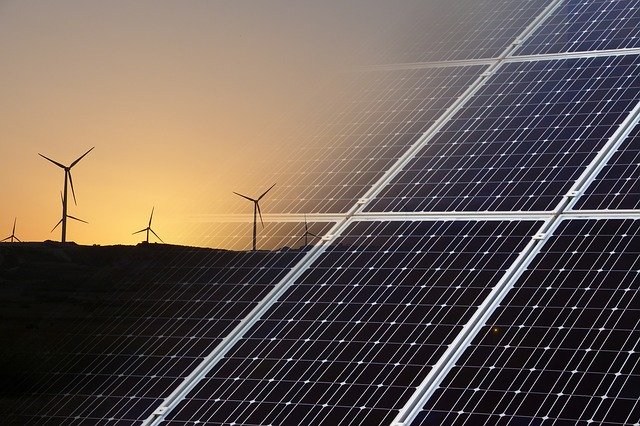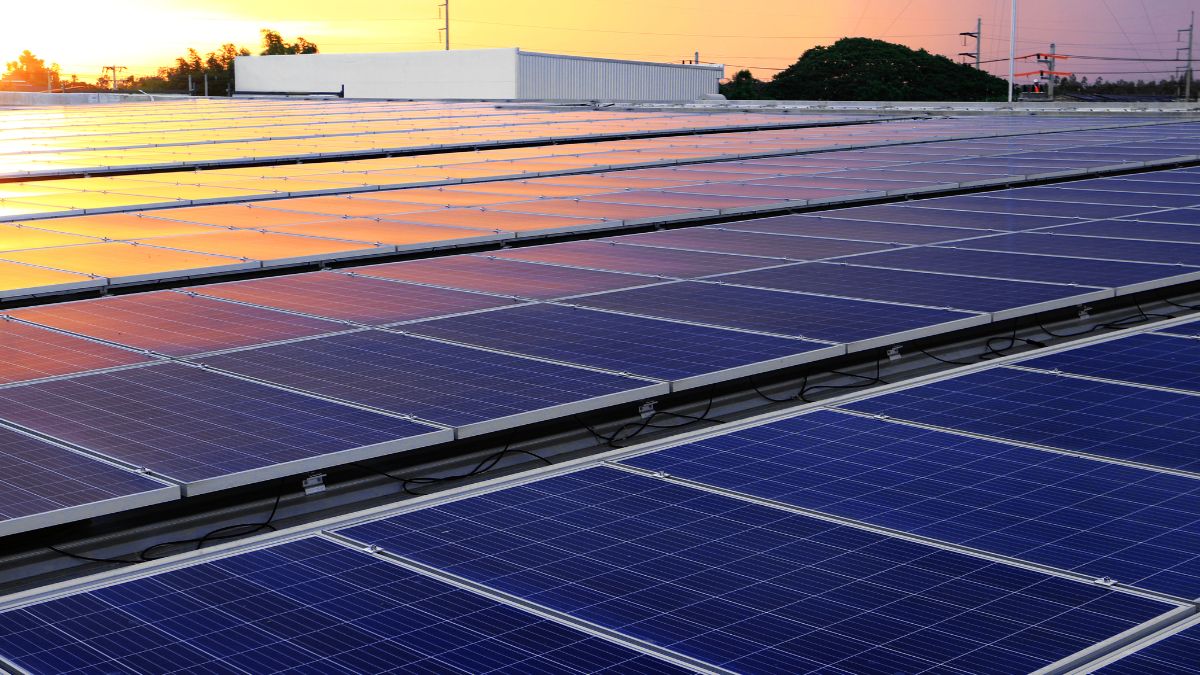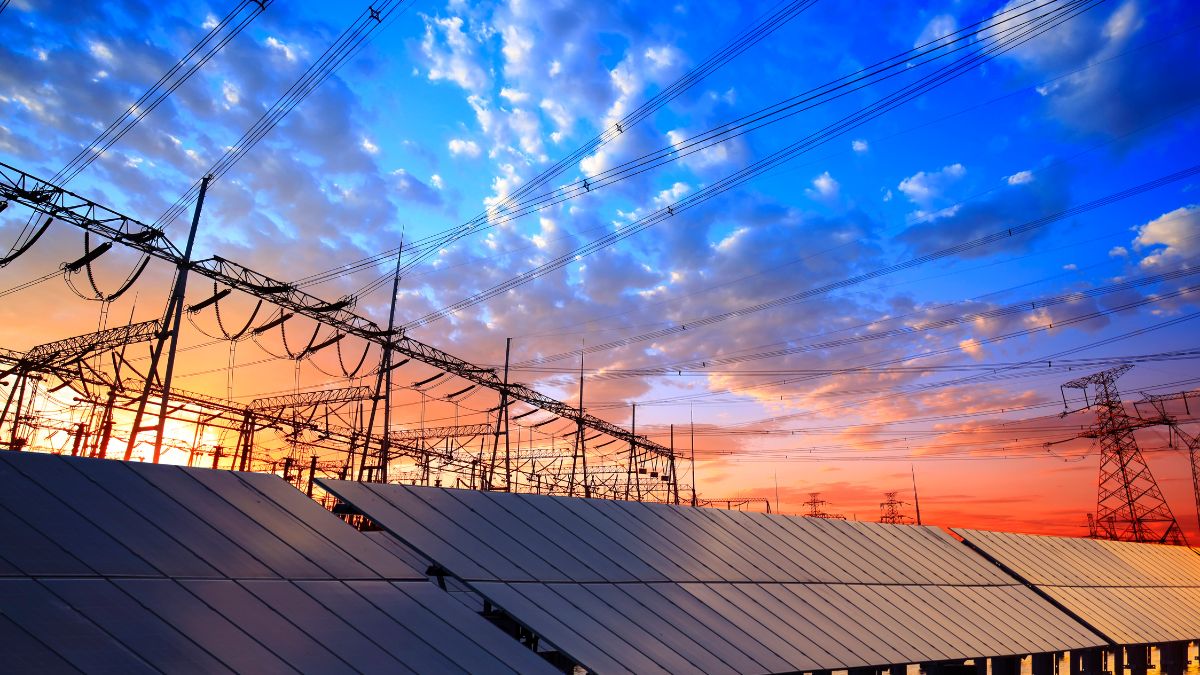
New research from SolarPower Europe shows that existing solar energy capacity across the European Union has saved the region more than €110 million per day since the outbreak of the recent conflict in the Middle East, highlighting the growing economic and energy security benefits of solar power. The findings, published on 1 April 2026, reveal that over the first 17 days of the conflict, solar generation reduced the EU’s gas import costs by roughly 32 %, underscoring how clean energy can help protect consumers and economies from volatile fossil fuel markets. According to the research, the EU’s solar fleet produced 19.9 terawatt-hours (TWh) of electricity during this initial period. If that electricity had instead been supplied by gas-fired power plants, the cost would have reached approximately €1.9 billion—equivalent to daily savings of more than €110 million. When extended across the entire month of March, total savings from solar power amounted to €3.77 billion.
Analysts estimate that if natural gas prices rise further through 2026, as market conditions indicate, the value of solar-driven fossil fuel displacement could approach €67.5 billion by year’s end. Under SolarPower Europe’s medium-deployment scenario, cumulative savings across the 2020s could reach €170 billion, even without meeting the EU’s full 2030 solar targets. The report also highlights the ongoing need for expanded flexibility in Europe’s power systems, particularly in the form of battery storage and other non-fossil flexibility solutions. SolarPower Europe says such investments are essential to maximize the economic and energy security benefits of solar generation, reduce reliance on imported fuels, and limit the influence of volatile global markets on domestic electricity prices.
SolarPower Europe’s Chief Executive Walburga Hemetsberger said the findings underscore how solar energy is already serving European households and businesses during a second wave of fossil fuel price shocks. She noted that complacency risks slowing further deployment, even as the data clearly shows solar’s positive impact on energy costs and import dependence. SolarPower Europe’s Chief Executive Walburga Hemetsberger said the findings underscore how solar energy is already serving European households and businesses during a second wave of fossil fuel price shocks. She noted that complacency risks slowing further deployment, even as the data clearly shows solar’s positive impact on energy costs and import dependence.
Dries Acke, Deputy CEO of SolarPower Europe, emphasised that accelerating adoption of storage technologies, demand response and more flexible grid systems should be a priority for EU policymakers. According to Acke, such measures not only prevent expensive fossil fuels from setting electricity prices but also make electrification and clean energy more affordable for industry and households alike. The research, titled Solar & Storage for EU Energy Security, includes real-world case studies on how solar deployment during the crisis has affected individual businesses, and examines the potential benefits of more ambitious solar expansion combined with flexibility solutions throughout the decade.
Subscribe to get the latest posts sent to your email.