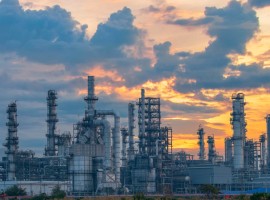
The battered European chemicals industry has just closed a weak but still better-than-expected first quarter as the supply shock from the Middle East hit Asian petrochemical makers amid dried-up naphtha and other feedstock supplies from the Persian Gulf.
Asia’s petrochemicals sector is highly dependent on naphtha, liquefied petroleum gas (LPG), and methanol from the Persian Gulf.
Across Asia, shortages of naphtha and other key petrochemicals feedstocks due to the Iran war have already forced petrochemicals firms to curb output.
While Asian chemicals and petrochemicals producers are reeling from the Middle East supply shock, Europe’s chemicals industry – in a crisis mode since the 2022 energy crisis – is breathing a sigh of relief.
The relief will be short-lived, executives and analysts warn, and don’t expect a sustained recovery beyond the disruption that’s hitting Asian rivals. Once Strait of Hormuz supply returns, Asia will still be a cheaper chemicals producer with cheaper energy costs.
“The start of the year was weak, but since March, we have seen a slight positive momentum. Due to the conflict in the Middle East, the supply chains of many Asian competitors have been disrupted, causing customers to turn back to European suppliers such as LANXESS,” Matthias Zachert, CEO of the Germany-based chemicals giant, said in comments on the Q1 results.
“Supply capability is currently a significant competitive advantage,” Zachert added, but noted that the company has raised prices for many of its products to pass on the increased costs of raw materials, energy, and logistics.
Another European chemicals producer, Evonik, also noted increased sales volumes in certain businesses since March, as a result of the war, “presumably due to customers engaging in pre-buying.”
Yet another European firm, Solvay, reported solid first-quarter performance, but added “we do not expect the operating environment to improve in the short term.”
All the supply capability advantage will go away once flows to Asia normalize, analysts and executives say.
“There is no reason to be swept up by euphoria,” Lanxess’ CEO Zachert told Reuters.
By Tsvetana Paraskova for Oilprice.com
More Top Reads From Oilprice.com
- Shell Moves to Exit French Fuel Retail Market in Strategic Pivot
- Oil Prices Rise as U.S.-Iran Peace Hopes Fade
- China’s Teapot Refiners Slash Output as Hormuz Crisis Crushes Margins