ICIMOD: Over 3 Terawatts of Renewable Potential Await in the HKH Region

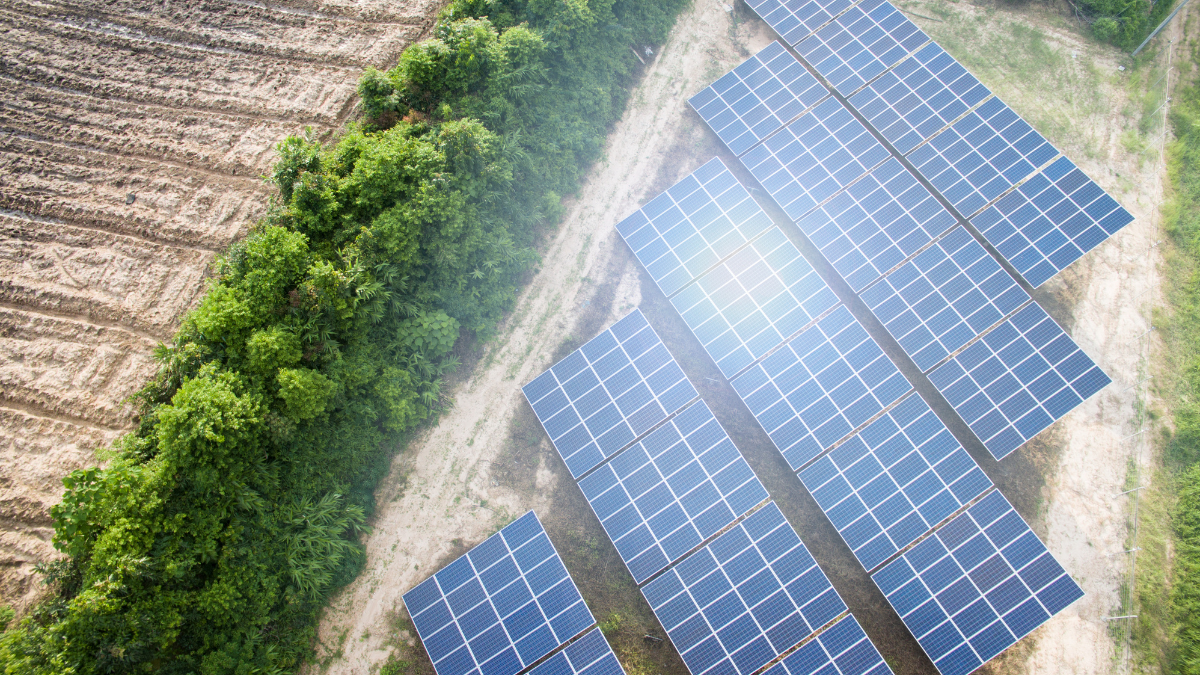
Representational image. Credit: Canva

The Hindu Kush–Himalaya (HKH) region holds some of the world’s richest untapped renewable energy resources, yet progress in harnessing them has been modest, according to a new assessment by the International Centre for Integrated Mountain Development (ICIMOD). The findings were released during the Asia-Pacific Clean Energy Week in Bangkok.

The study reveals that out of the 882 gigawatts (GW) of identified hydropower potential across Afghanistan, Bhutan, Bangladesh, China, India, Myanmar, Nepal, and Pakistan, as much as 635 GW lies within the rivers of the HKH. However, only 49 per cent of this has been utilised so far. Despite the enormous potential, clean energy currently accounts for just 6.1 per cent of the region’s total primary energy supply.

Beyond hydropower, the assessment highlights that the HKH also offers vast opportunities in solar and wind. Collectively, these non-hydro resources exceed 3 terawatts—almost double the combined climate pledges of these eight nations, which stand at 1.7 TW. Unlocking this potential could significantly strengthen regional energy security, support low-carbon development, and help meet global climate goals.

Experts note that greater cross-border collaboration, investment in grid integration, and stronger policy frameworks are essential to bridge the gap between potential and deployment. For example, Bhutan and Nepal have already made strides in hydropower exports, but broader cooperation could transform the region into a clean energy powerhouse.

The report calls for governments to prioritise both hydropower expansion and diversification into solar and wind to ensure a balanced, resilient energy mix. With rising energy demands and growing climate risks, tapping the HKH’s renewable wealth is not just an opportunity—it is an urgent necessity.

Harnessing the HKH’s vast resources could turn South Asia’s mountains into the backbone of a sustainable energy future.


Subscribe to get the latest posts sent to your email.

 

  • Related Posts

    India Daily: India Power Capacity Tops 550 GW, CEA Sets New Cybersecurity Rules, CSPDCL Advances 500 MWh BESS, India Accelerates Smart Meters, Kerala Rejects KINESCO Licence and More…

    India’s installed power capacity reached around 552 GW by July 2026, with non-fossil sources contributing more than 300 GW, or over 54% of the total. Solar has emerged as a…

    CERC Approves GNA Milestone Extensions With New Charges For Renewable Energy Projects

    The Central Electricity Regulatory Commission (CERC) has approved a uniform framework allowing renewable power developers additional time to meet key operational milestones under the General Network Access (GNA) Regulations. The…

    Have You Seen?

    Kazakhstan Accuses Big Oil of $10.7 Billion Corruption in Kashagan Oil Project

    • August 15, 2026
    Kazakhstan Accuses Big Oil of $10.7 Billion Corruption in Kashagan Oil Project

    Hormuz Tanker Traffic Slumps as U.S.-Iran Standoff Drags On

    • August 14, 2026
    Hormuz Tanker Traffic Slumps as U.S.-Iran Standoff Drags On

    Vance Says Cheap Oil and Gas Is Top U.S. Priority in Iran War

    • August 14, 2026
    Vance Says Cheap Oil and Gas Is Top U.S. Priority in Iran War

    Middle East Oil Tankers Are Going Dark for Longer

    • August 14, 2026
    Middle East Oil Tankers Are Going Dark for Longer

    Drone Strike Sparks Blaze at Key Russian Oil and Fuel Terminal

    • August 14, 2026
    Drone Strike Sparks Blaze at Key Russian Oil and Fuel Terminal

    Hormuz Crisis Pushes Asian Refiners Toward U.S. Oil

    • August 14, 2026
    Hormuz Crisis Pushes Asian Refiners Toward U.S. Oil

    India’s Coal Demand Set to Hit 1.6 Billion Tons by 2030

    • August 14, 2026
    India’s Coal Demand Set to Hit 1.6 Billion Tons by 2030

    Holcim UAE starts cement carbon capture pilot project

    • August 14, 2026
    Holcim UAE starts cement carbon capture pilot project

    Qatar Ras Laffan train five ‘goes offline’

    • August 14, 2026
    Qatar Ras Laffan train five ‘goes offline’

    Vietnam’s Bac Ninh semiconductor investment hits $2.7bn

    • August 14, 2026
    Vietnam’s Bac Ninh semiconductor investment hits $2.7bn