India is strengthening its position as a global leader in clean energy and climate action, supported by strong economic growth, rising electricity demand and efforts to reduce dependence on imported fossil fuels. According to the BloombergNEF India Transition Factbook 2026, the country has achieved several important milestones in its energy transition, including meeting its target of having more than 50% of installed electricity capacity from non-fossil fuel sources in 2025, five years ahead of the original timeline set under its Nationally Determined Contribution (NDC).
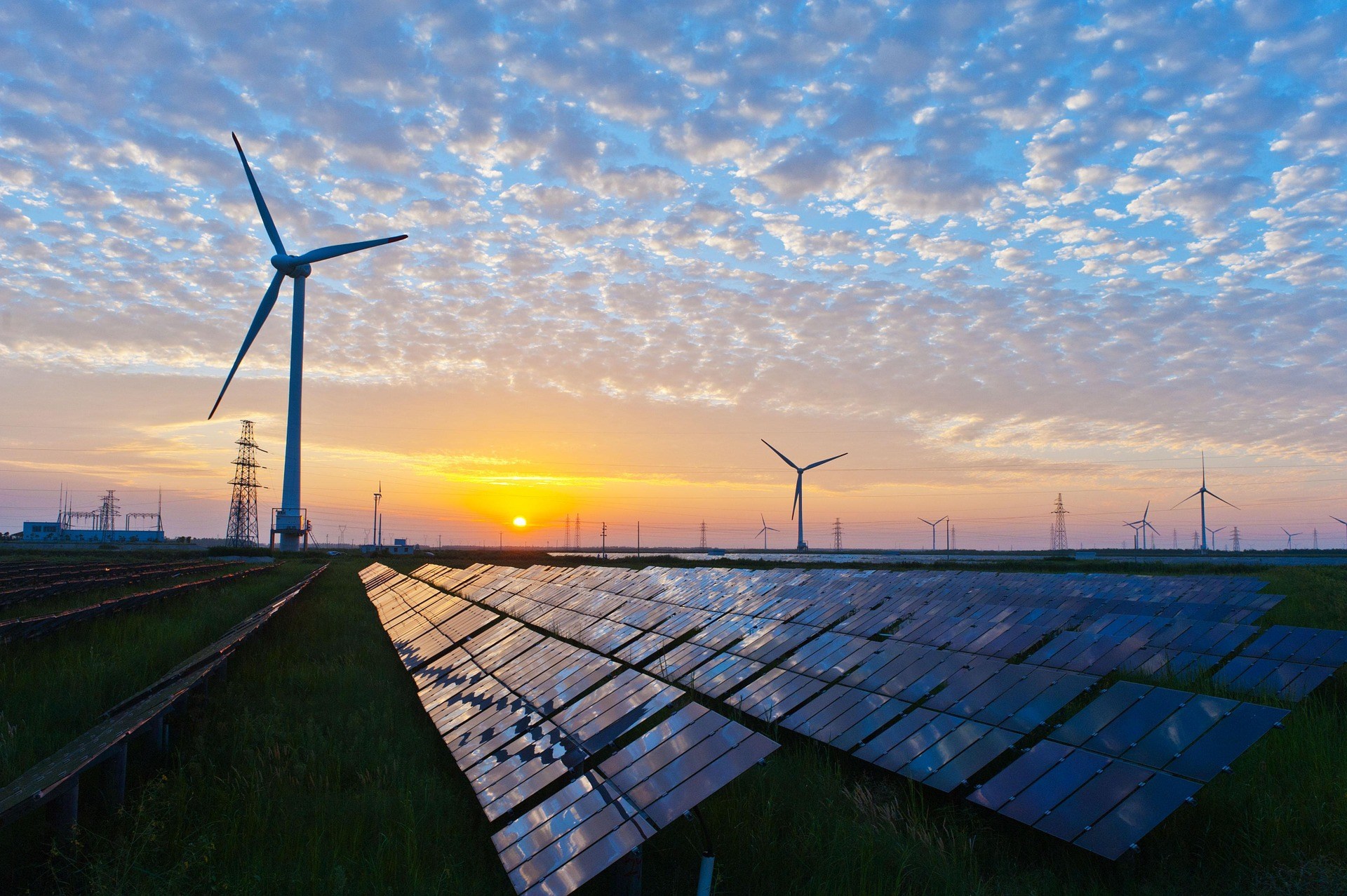
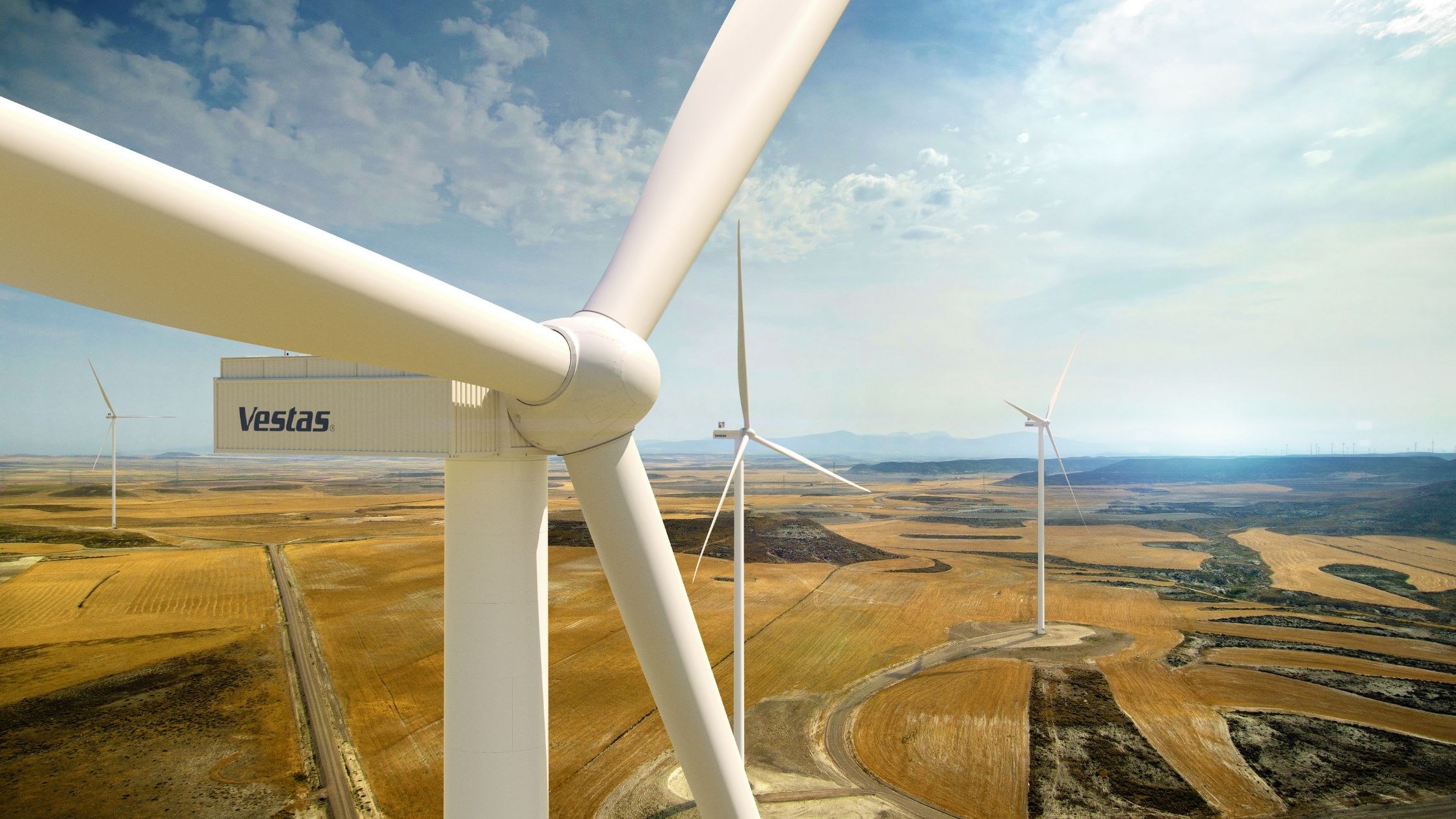
India’s renewable energy sector has expanded rapidly, with the country becoming the world’s second-largest market for annual solar capacity additions and overtaking major economies to become the second-largest market for wind power in 2025. These developments reflect the growing role of solar and wind energy in meeting the country’s electricity requirements while supporting its long-term climate commitments.
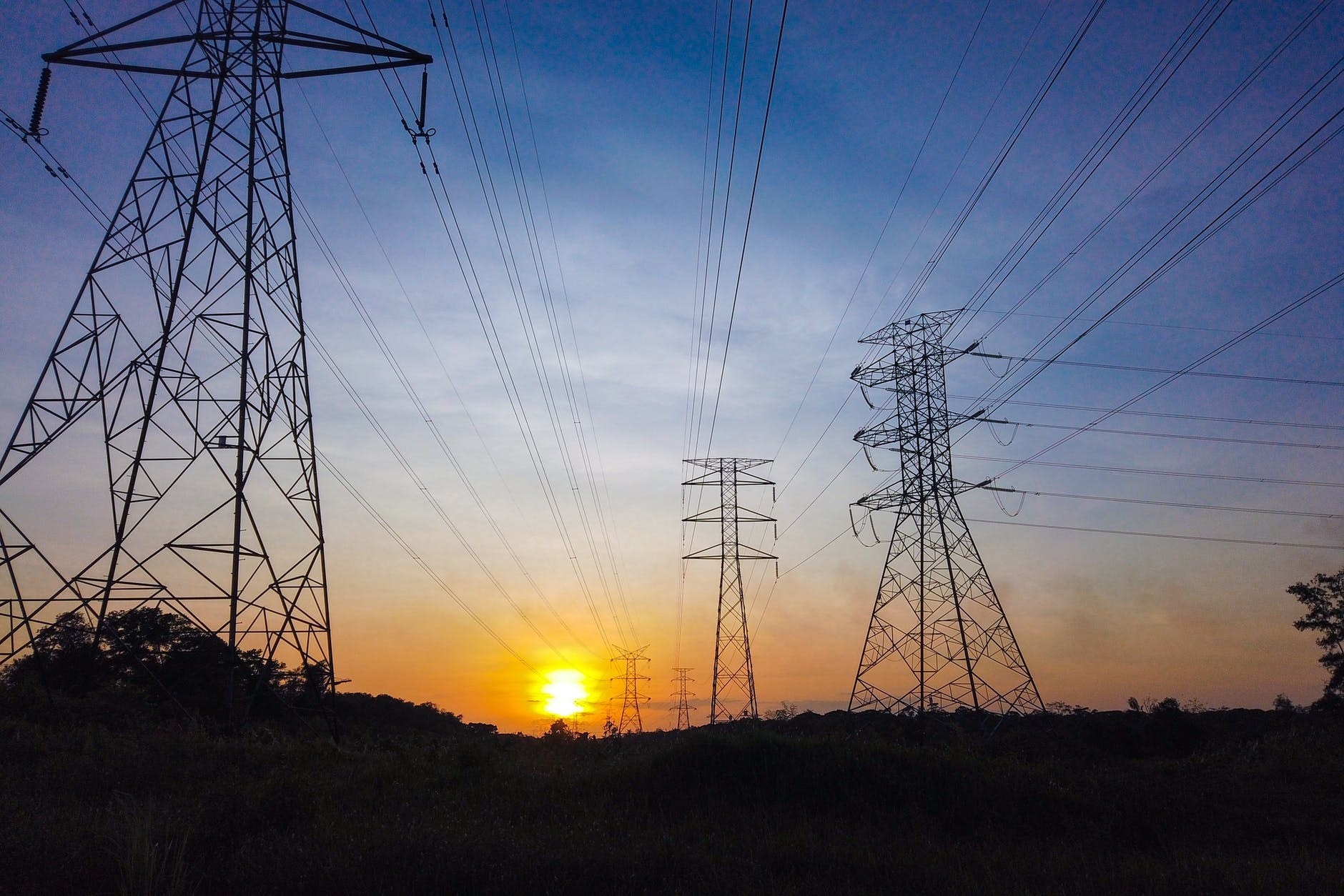
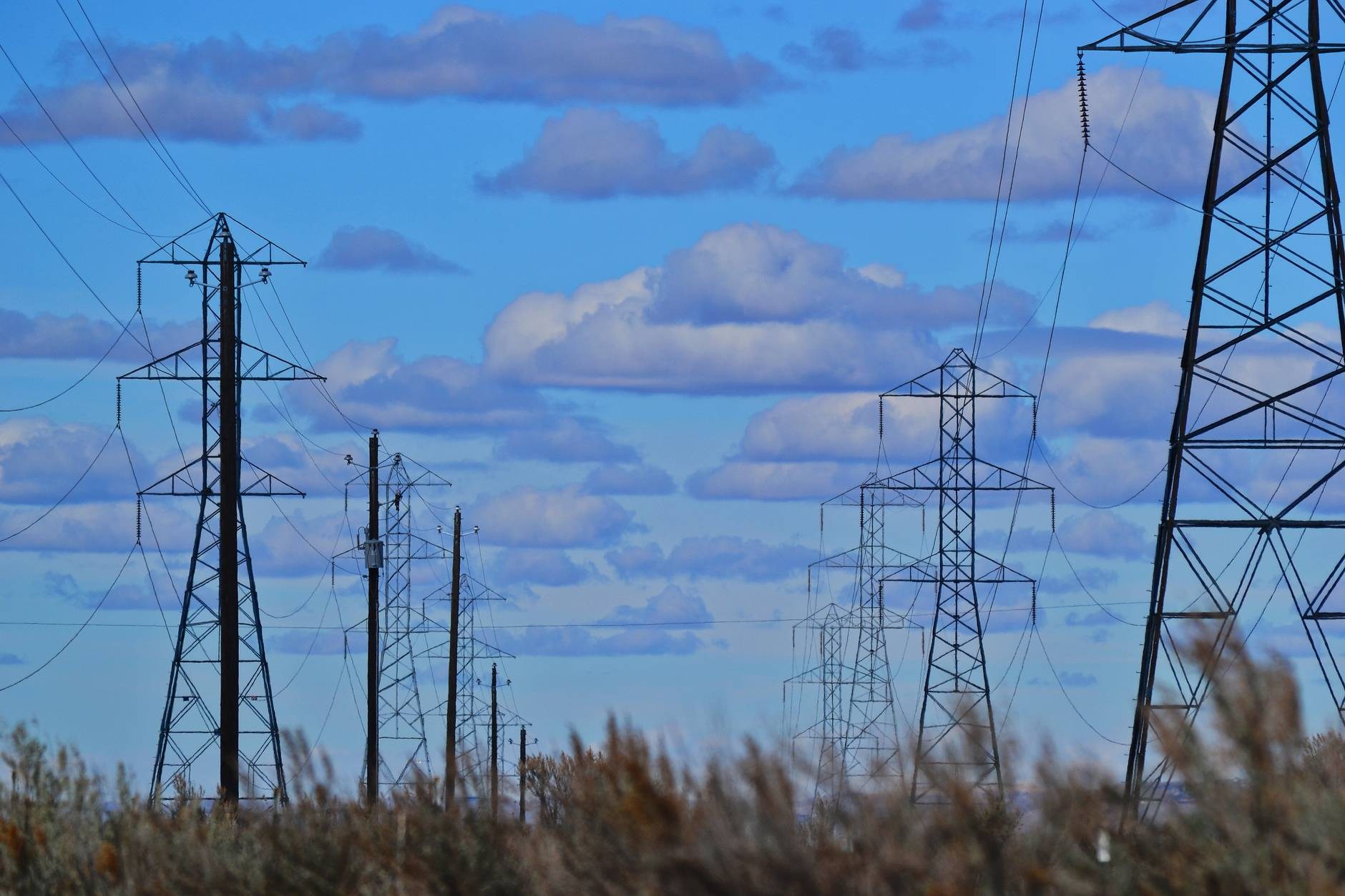
Utility-scale solar and onshore wind projects in India benefit from some of the lowest levelized costs of electricity globally. Favourable natural conditions, particularly abundant sunshine in states such as Rajasthan and Gujarat, have supported the expansion of solar power. Competitive reverse auctions, government initiatives and investments in transmission infrastructure have also helped reduce project costs and improve the integration of renewable energy into the electricity grid.
Energy storage is emerging as another important component of India’s clean energy transition. According to the report, combining solar and wind power with battery storage has recently become more economical than developing new coal-fired power plants. This development could support the country’s efforts to manage the intermittent nature of renewable energy and maintain a reliable electricity supply. India is also positioned to become the world’s third-largest energy storage market by 2030, creating opportunities for battery manufacturing, storage deployment and grid modernization.
Corporate renewable energy procurement is gaining momentum as Indian companies seek to reduce emissions and meet their decarbonization targets. Indian businesses are leading the Asia-Pacific region in signing offsite power purchase agreements, enabling them to source electricity from renewable energy projects located away from their operational facilities. These agreements are helping developers secure long-term demand while allowing companies to improve the environmental performance of their operations.
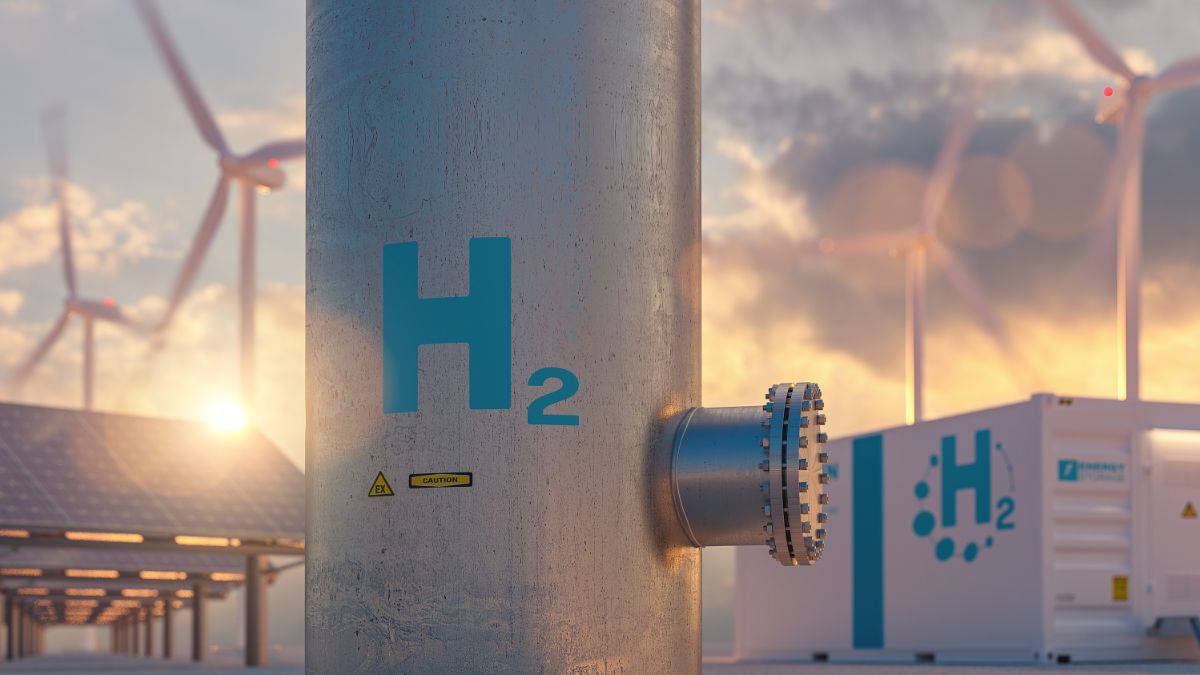
India is also making progress in green hydrogen and green ammonia. Competitive production costs and supportive government policies have helped Indian companies secure major binding international offtake agreements for clean hydrogen. These developments strengthen the country’s position in the emerging global hydrogen market and could support decarbonization in sectors where direct electrification is difficult.
The transport sector is witnessing a gradual shift towards electric mobility, particularly in two-wheelers and three-wheelers. Lower total ownership costs and pressures arising from fossil fuel prices are supporting EV adoption. However, achieving the country’s ambitious 2030 electric vehicle targets will require further expansion of charging infrastructure, improved access to financing and continued policy support.
Despite these developments, significant challenges remain. Coal continues to provide the majority of India’s electricity generation, while heavy industries face difficulties in reducing emissions because several low-carbon technologies are still commercially immature or expensive to deploy at scale.
The report indicates that India’s energy transition is increasingly linked to economic competitiveness and national energy security. Continued investment in renewable power, battery storage, grid flexibility and emerging clean technologies will be important for sustaining progress. Strong coordination between central and state governments, alongside private-sector participation, will help India address remaining challenges and advance towards its long-term climate and energy objectives.

Subscribe to get the latest posts sent to your email.