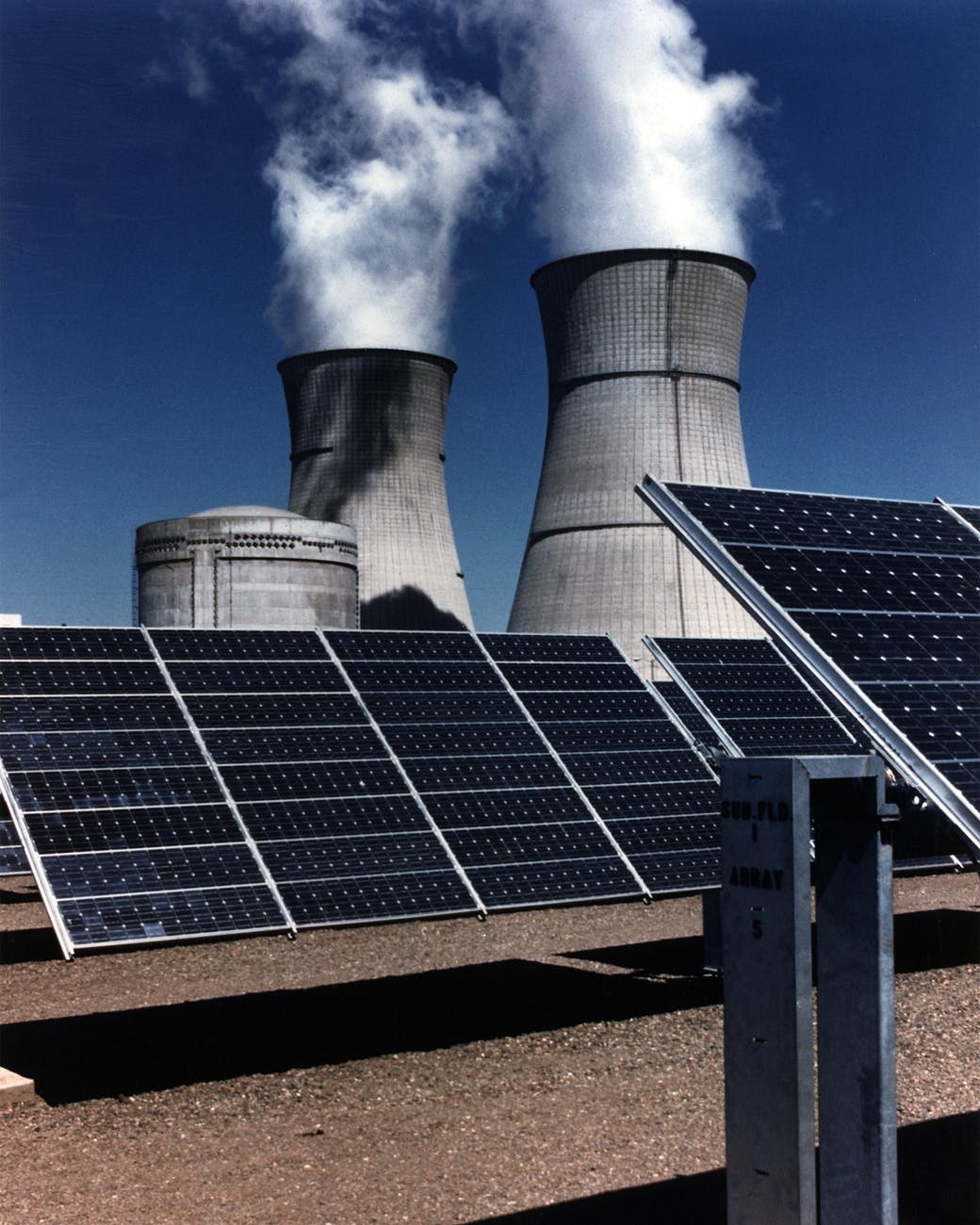
India is taking significant steps toward expanding its nuclear energy capacity, recognizing its importance in achieving the country’s Net Zero goal. At a post-budget webinar organized by NITI Aayog, Union Minister Dr. Jitendra Singh emphasized that nuclear energy will play a critical role in India’s clean energy transition. He highlighted the Union Budget 2024-25’s vision for nuclear power expansion, setting a target of 100 GW by 2047.
India’s growing energy demand is expected to rise four to five times by 2047. While renewable sources like solar and wind are expanding, they cannot meet the base-load electricity demand. Nuclear power, with its reliability and sustainability, is expected to fill this gap. The minister pointed out that reaching the 100 GW target will require adding around 4 GW annually. He expressed confidence that with proper planning and execution, this goal is achievable.
A major policy shift is the proposal to involve the private sector in the development of nuclear power plants. This requires amendments to key laws such as the Atomic Energy Act, Civil Liability for Nuclear Damage Act, and Electricity Act. By opening up the nuclear sector, the government aims to attract investments and boost industry participation. The move is expected to encourage investor confidence and long-term commitments.
Currently, NPCIL and its subsidiaries will contribute nearly half of the 100 GW target through domestic and international partnerships. NTPC’s joint venture, Ashwini, has already begun constructing four 700 MWe PHWRs at Mahi-Banswara. In addition, a new Small Modular Reactor R&D Mission has been launched, aiming to develop five SMRs by 2033. These reactors, known for their adaptability, could be used in industrial areas, remote regions, and sectors like cement and steel manufacturing.
Dr. Jitendra Singh noted that India’s nuclear energy program, initiated by Dr. Homi Bhabha, has faced skepticism due to restrictive global policies and concerns about nuclear proliferation. However, under Prime Minister Narendra Modi’s leadership since 2014, the perception has changed. The announcement of the 100 GW nuclear target has been met with greater acceptance, reflecting India’s credibility in the global nuclear community. The transparent and responsible approach toward nuclear energy development has helped gain international trust.
The minister also emphasized the need for a nationwide awareness campaign to address public concerns about nuclear energy. He stressed that fears and misconceptions about nuclear power need to be dispelled through sustained outreach programs. He called for collaboration between the government, private sector, and environmental groups to educate people about the safety and benefits of nuclear energy.
A roadmap for India’s nuclear energy expansion is being developed in consultation with key stakeholders. While challenges exist, the government remains confident that the 100 GW target by 2047 is both ambitious and achievable.