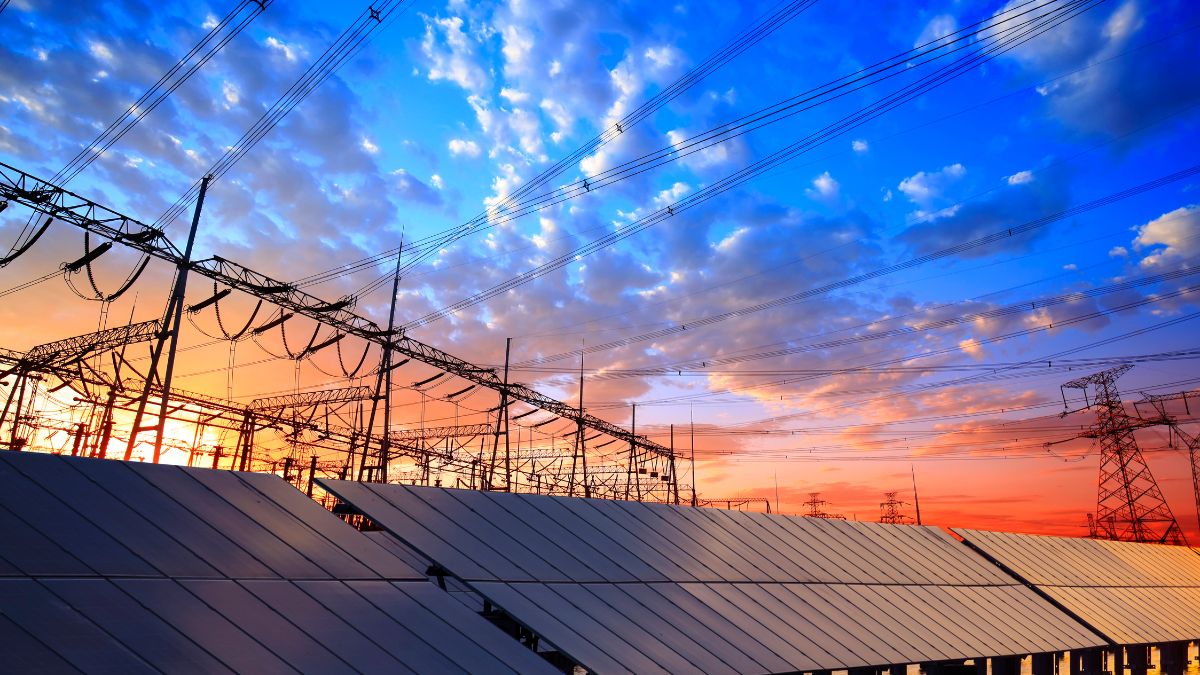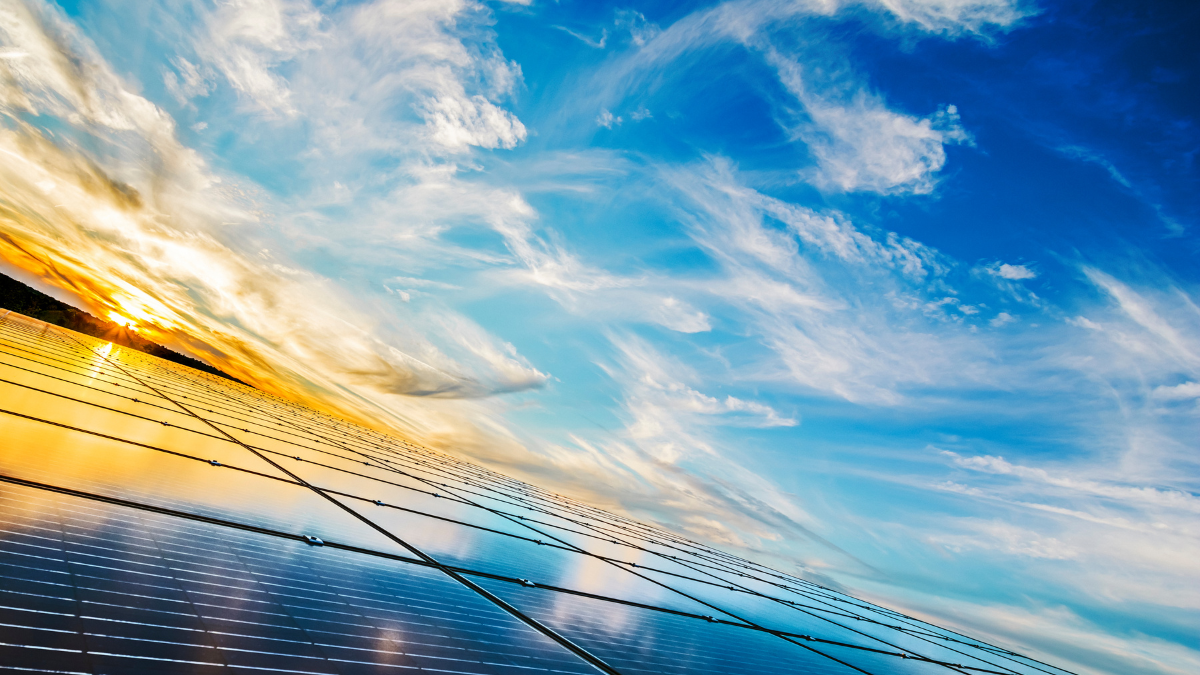
Perusahaan Listrik Negara has launched a major solar power tender under the Mentari Nusantara I project, marking a strong push toward clean energy in Indonesia. The project aims to develop a total solar capacity of 1,225 megawatts (MW), making it one of the largest renewable energy initiatives in the country so far.
The solar installations will be distributed across multiple regions to ensure balanced energy development. Java will receive the largest share of 600 MW, followed by Kalimantan with 340 MW. Other regions included in the plan are Maluku and Papua with 120 MW, West Nusa Tenggara with 80 MW, Sulawesi with 50 MW, and Sumatra with 35 MW. This wide geographic spread is expected to improve energy access and support regional growth.
To manage this large-scale rollout, PLN has introduced a new procurement model called “Giga One.” This approach combines several smaller projects into one large package. By doing this, PLN aims to reduce costs and attract more investors by offering larger and more stable opportunities. The company believes this model can also be used for future renewable projects, including wind, hydropower, and battery storage systems.
The tender process began in April 2024, and although the final deadline for bids has not yet been announced, PLN has set a clear goal for the project timeline. All installations are expected to be operational by 2029. This timeline supports the country’s long-term energy strategy, which targets 100 gigawatts (GW) of solar capacity in the future.
At present, Indonesia is still at an early stage in solar development. The country recently crossed the 1 GW mark, reaching about 1.49 GW of installed solar capacity. To achieve the 100 GW goal, experts suggest a mix of rooftop solar systems and large-scale solar plants. Around 80 GW is expected to come from small, decentralized rooftop installations, while 20 GW will come from utility-scale projects like Mentari Nusantara I.
This tender shows the government’s clear intention to speed up the shift to renewable energy. If the Giga One model works well, it could help Indonesia quickly expand its clean energy capacity, reduce dependence on fossil fuels, and move closer to its climate goals.
Subscribe to get the latest posts sent to your email.