Singapore is facing growing pressure from climate change as temperatures continue to rise and sea levels pose a threat to its low-lying coastal areas. Although the country contributes only a very small share of global greenhouse gas emissions, it remains highly vulnerable to environmental changes. To deal with this challenge, Singapore is taking practical steps on multiple fronts to build long-term resilience and move towards a low-carbon economy.
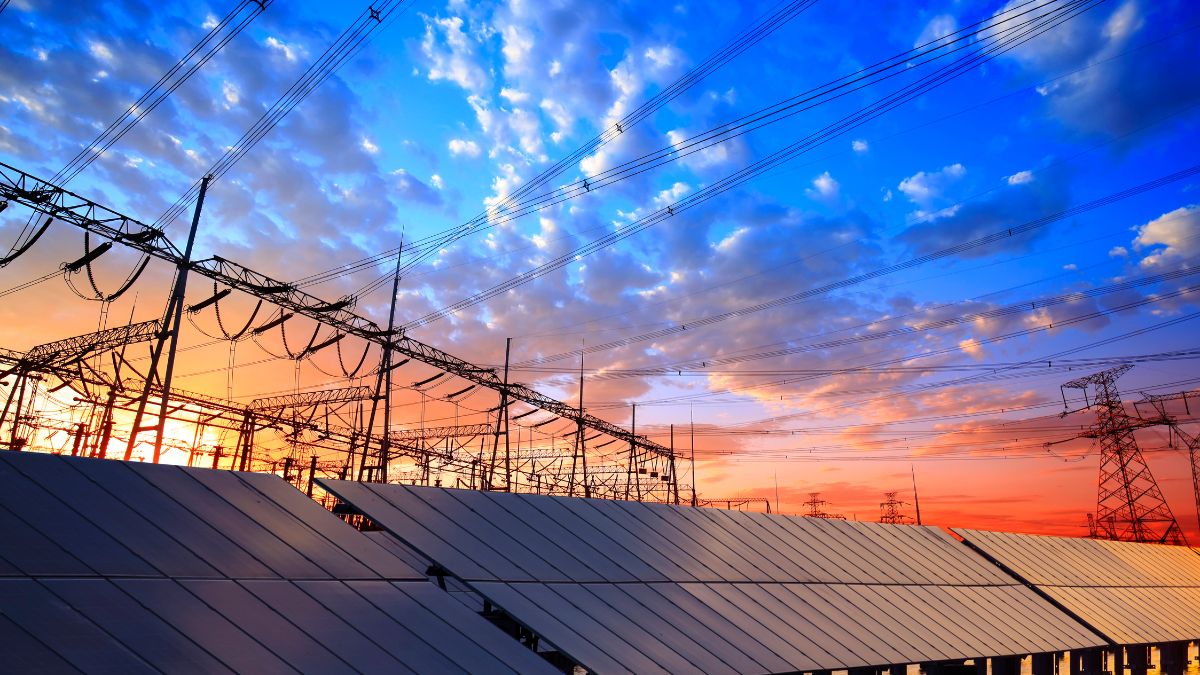
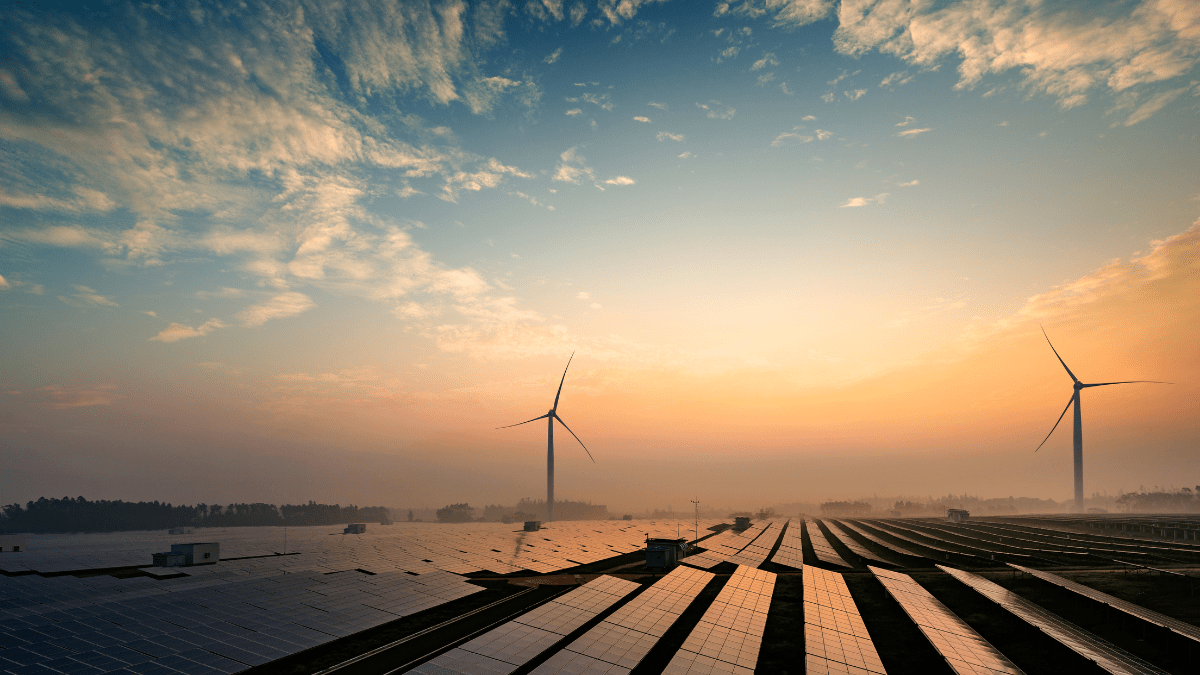
One of the key steps is expanding the use of renewable energy within the country. Due to limited land availability, Singapore is making use of every possible space to generate solar power. Solar panels are being installed on public housing rooftops, industrial buildings, and even on water bodies. A major example is the floating solar farm at Tengeh Reservoir, which uses more than 120,000 panels to support water treatment operations. The country has already crossed its earlier solar targets and now plans to reach 3 gigawatt-peak capacity by 2030, which can supply electricity to around half a million .
At the same time, the government understands that solar energy alone is not enough to meet total energy demand. To address this, it is exploring other low-carbon solutions such as hydrogen, biomethane, and carbon capture technologies. Studies are also being carried out on advanced nuclear energy to check if it can be safely used in a small and densely populated country like Singapore.
Businesses also play an important role in this transition. However, shifting to cleaner energy can be costly, especially for industries that consume a lot of power. To support them, the government is providing financial help through schemes like the Energy Efficiency Grant and Sustainability Reporting Grant. These programs help companies adopt greener practices and train workers in energy management.
Singapore is also using international carbon markets as part of its strategy. Under its carbon tax system, companies are allowed to offset a small part of their emissions by buying high-quality carbon credits from global projects. This encourages businesses to support environmental efforts beyond their own operations.
In addition to reducing emissions, Singapore is preparing for climate impacts that cannot be avoided. The year 2026 has been marked as the Year of Climate Adaptation, with a focus on creating a National Adaptation Plan. This plan will address issues like extreme heat, flooding, and coastal protection.
Through a mix of clean energy development, business support, and climate adaptation planning, Singapore is working steadily to secure a sustainable and stable future.
Subscribe to get the latest posts sent to your email.