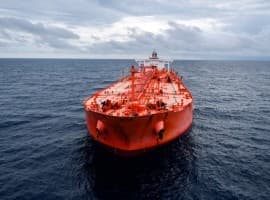
Iranian crude oil flows to China have rebounded this month after a U.S. crackdown on shipments launched in late 2024 decimated them in January. In a last-minute push to sanction Iran, the Biden admin blacklisted a number of tankers, trading entities, and shipping companies as participants in sanctioned oil trade.
The February average of Iranian oil exports to its biggest buyer is set to average 1.74 million barrels daily, according to preliminary data from Kpler cited by Bloomberg. The figure is an 86% increase from January flows.
‘;
document.write(write_html);
}
The boost in shipments was enabled by the opening of new receiving terminals and more ship-to-ship transfers, the Bloomberg report noted.
The Trump administration has threatened to return to the maximum pressure approach of Trump’s first term in a bid to force Iran to give u developing a nuclear weapon. U.S. Treasury Secretary Scott Bessent said the target is to squeeze Iranian oil exports to a tenth of their current levels.
Kpler said in a recent analysis that the return to a maximum pressure campaign against Iran on the part of Washington was likely to weaken oil exports to China, at least for a while. “Some buyers, particularly larger Chinese privately owned refiners, are likely to steer clear of such dealings as a precaution in the near term,” due to higher prices resulting from workarounds to avoid U.S. sanctions, Kpler analyst Homayoun Falakshahi wrote.
China’s private oil refiners, the so-called teapots, are key buyers of Iran’s sanctioned crude, and the two sides have established a trade relationship favorable for both. Iran gets to sell its crude that nearly everyone else shuns, while China’s independent refiners, the so-called teapots, get cheap oil. However, the tougher U.S. squeeze on Iran’s oil industry will inevitably lift prices, which would affect buying decisions, as noted by Kpler.
By Irina Slav for Oilprice.com
More Top Reads From Oilprice.com
- Trump’s No-Prisoners Approach to Iran-China Oil Crackdown
- U.S. Fuel Prices Surge On Refinery Maintenance And Outages
- Russia Claims to Be Fully Compliant with OPEC+ Output Quota