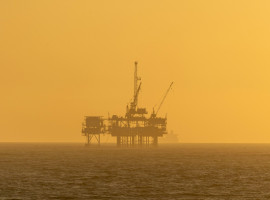
Iraq’s Dhi Qar Oil Company has raised oil production by a combined 80,000 barrels per day across three strategic southern fields, Nasiriyah, Gharraf, and Saba, IraqiNews reported on Monday, marking one of the country’s most significant boosts this year as OPEC+ opens the door to higher member output.
According to IraqiNews, seven new wells were drilled at the Nasiriyah field alone, lifting production from 52,000 bpd to 70,000 bpd. Additional volumes from Gharraf and Saba rounded out the total increase, though specific site figures were not disclosed.
The announcement follows OPEC+’s decision last month to unwind 2.2 million bpd of voluntary cuts starting in the third quarter, a move that surprised markets with its speed and scale. Iraq stands to benefit directly, having long sought greater production room to stabilize revenues. The quota easing is set to be phased in through September, creating immediate room for operators to ramp up.
Oil accounts for over 90% of Iraq’s exports and the majority of government income, making incremental production gains vital for budgetary relief. The expansion also reduces Baghdad’s near-term dependence on politically fraught northern exports via the Kurdish region, which remain suspended amid ongoing arbitration with Turkey.
The Dhi Qar push reflects Iraq’s shift toward intensifying output from brownfield assets rather than launching new megaprojects, many of which remain stalled by financial and logistical hurdles, with officials now calling for probes. The Oil Ministry has not yet confirmed whether Basra Oil Company, which oversees much of Iraq’s southern production, will follow with similar ramp-ups.
With OPEC+ now prioritizing market share over strict price defense, Baghdad is moving quickly to reinforce its reliability and capture revenue gains. However, persistent infrastructure constraints and rising gas flaring risks continue to shadow Iraq’s upstream growth.
By Charles Kennedy for Oilprice.com
- OPEC+ to Complete Unwinding of Oil Output Cuts With Big September Hike
- Iraq Claims Top Spot Among OPEC Crude Suppliers to the U.S.
- Russia’s Oil Exports Stagnate as Prices Sink and Sanctions Bite