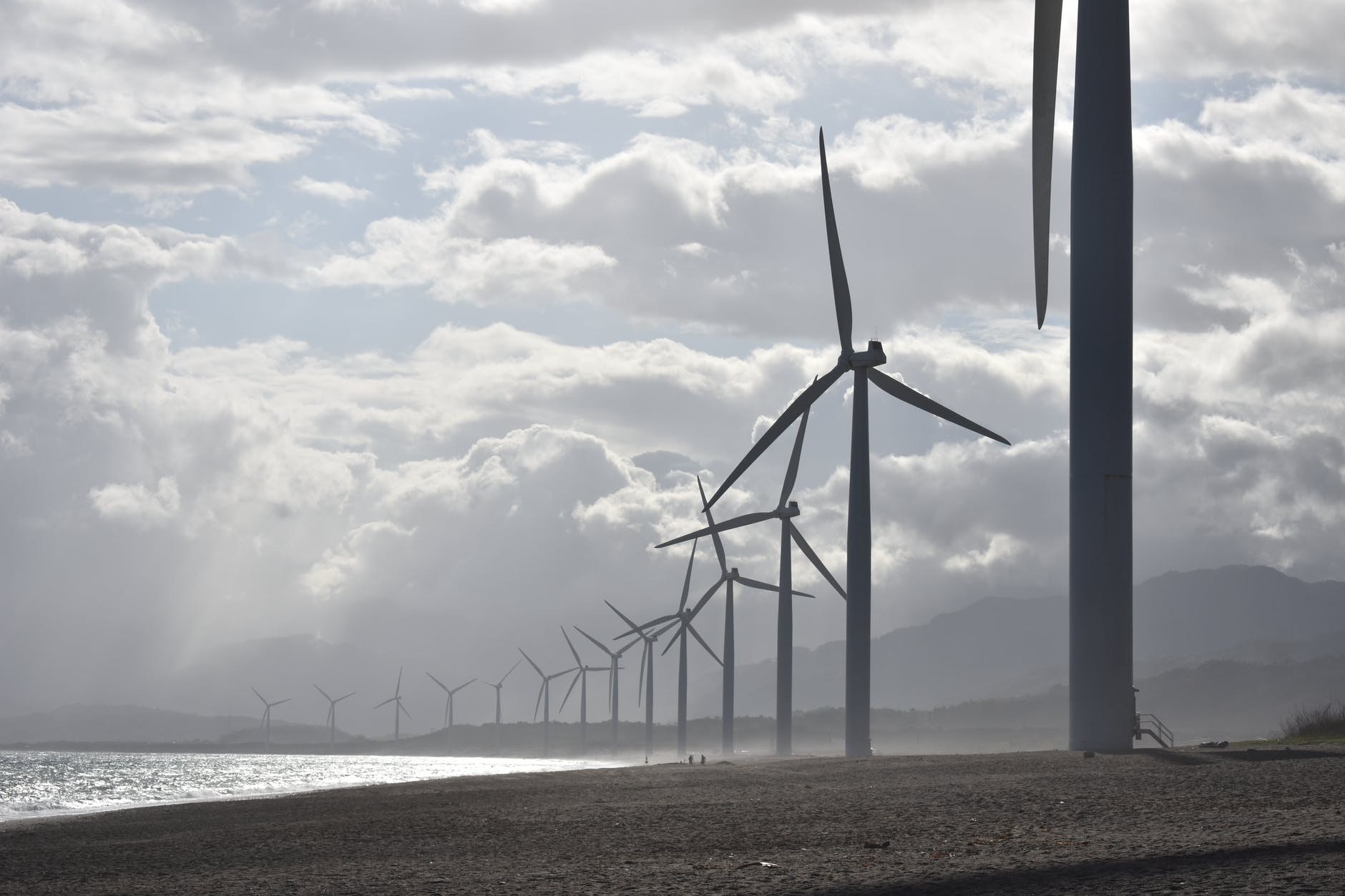
Small Island Developing States (SIDS) are exploring offshore wind and ocean-based renewable energy technologies to reduce their dependence on imported fossil fuels, improve energy security and protect water resources. These island nations face major challenges in their energy systems, including high electricity generation costs, limited land availability and vulnerability to fluctuations in international fuel prices.
Fossil fuels account for approximately three-quarters of the energy mix across SIDS, while some countries depend on imports for up to 90% of their electricity requirements. This reliance exposes their economies to global market volatility, increases pressure on foreign currency reserves and places a financial burden on governments through fuel subsidies. Geopolitical tensions, supply chain disruptions and extreme weather events can further threaten electricity supplies, resulting in blackouts and emergency measures.
The impact extends beyond electricity generation to water security. Many island nations rely on energy-intensive desalination facilities and water transportation systems to meet their freshwater needs. When these services depend on imported diesel for power generation, disruptions in fuel supplies or rising energy costs can increase the risk of water shortages. Expanding renewable energy capacity could help reduce these risks while supporting more reliable access to electricity and water.
Solar photovoltaic power has already gained attention across SIDS as countries seek alternatives to conventional energy sources. However, developing large ground-mounted solar projects can be difficult because land is limited and is also required for housing, agriculture, tourism and environmental conservation. Competition for available space creates additional challenges for countries seeking to expand renewable energy generation.
Offshore wind and other ocean-based technologies offer an alternative by allowing countries to access renewable energy resources without using large areas of land. Offshore wind is an established technology globally, with installed capacity exceeding 90 GW. Fixed-bottom offshore wind projects have become increasingly cost-competitive in suitable locations, while floating wind technology could provide opportunities in deeper waters surrounding many island nations.
However, floating offshore wind still requires further cost reductions before it can be deployed widely at commercial scale. The technical and financial requirements of offshore projects may also be difficult for smaller economies with limited infrastructure and investment capacity.
Interest in ocean-based renewable energy is growing across different regions. Initiatives such as the Pacific Renewable Ocean Energy Readiness Programme and Caribbean offshore wind delivery strategies reflect increasing efforts to assess offshore resources and develop plans for their future use.
Despite the potential benefits, expanding offshore wind requires careful planning and investment. Island governments must address grid integration, transmission infrastructure, project financing and technical capacity. Marine spatial planning will also be important to identify suitable project locations while protecting marine biodiversity, fisheries and other ocean-based economic activities.
Regional cooperation could help SIDS overcome some of these barriers by enabling countries to share technical expertise, resources and project development experience. International partners can also support investment by improving financing arrangements and helping governments incorporate offshore renewable energy into long-term electricity planning.
Offshore wind will not be suitable or necessary for every island, as local geography, wind resources, infrastructure and costs differ. Nevertheless, it could become an important part of diversified renewable energy strategies in countries with suitable marine conditions.
Aligning national energy targets with practical investment plans, strengthening regional partnerships and developing appropriate financing frameworks will be essential to advance these technologies. For SIDS, a diversified renewable energy system could reduce exposure to imported fuel prices, improve electricity reliability and support long-term economic resilience while helping safeguard essential water supplies.
Subscribe to get the latest posts sent to your email.